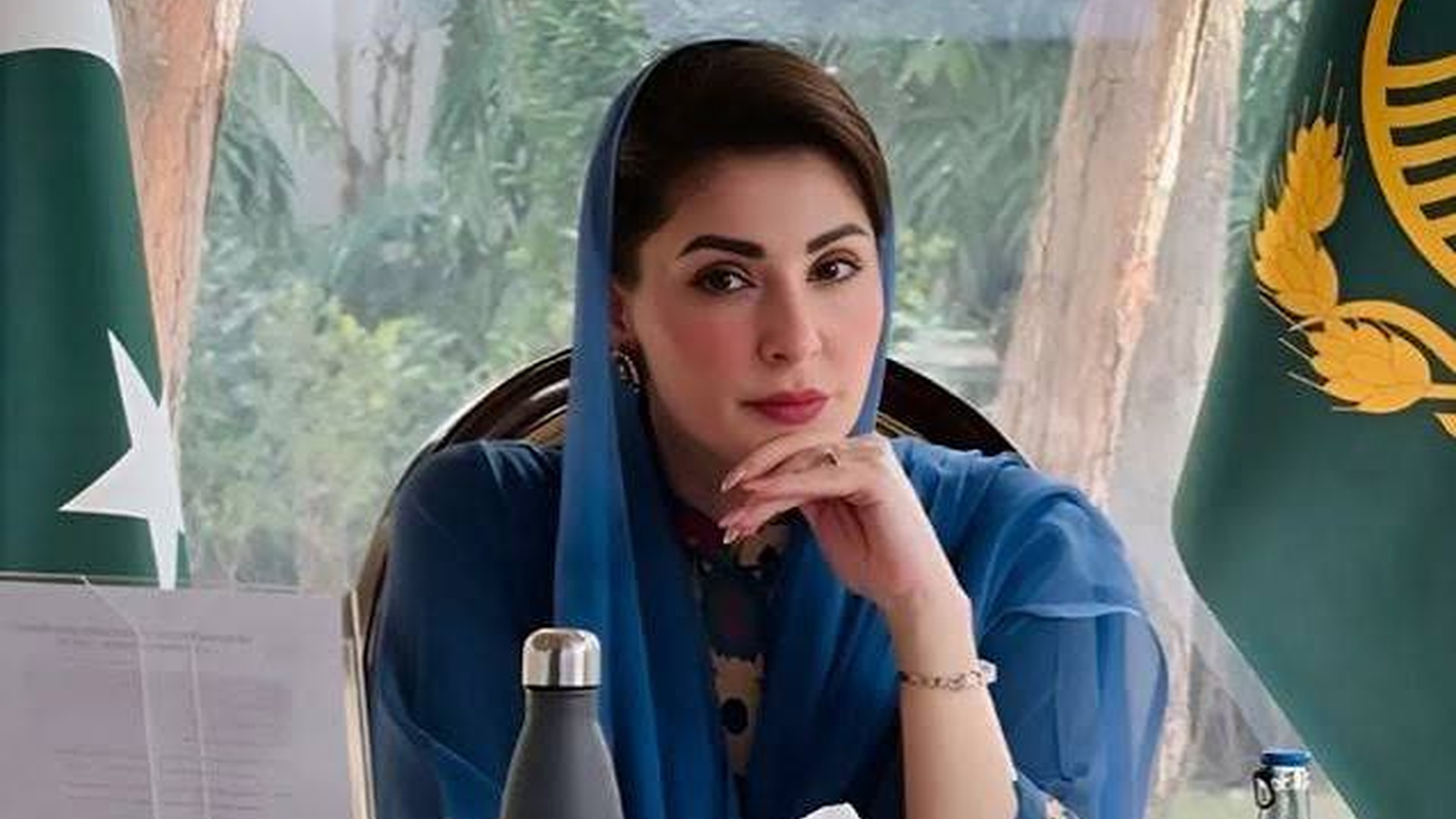
Lahore: The Punjab government announced plans on Monday, November 16, to introduce a law addressing sexual assault and establish fast track courts for cases involving violence against women and children. Chief Minister Maryam Nawaz, who chaired a meeting on the proposals in Lahore, called for a deadline for courts to decide cases. The province did not specify the deadline or say when it would introduce a bill.
Nawaz raised concerns about conviction rates in cases of violence against women and children. She directed police to improve investigations and take steps to prevent offences. She also called for a public awareness campaign to encourage people to report abuse and for investigators and prosecutors to improve how they prepare cases for trial.
Officials agreed to use artificial intelligence to assist investigations and prosecutions and to improve how police collect and preserve audio and video evidence. The announcement did not explain how investigators or prosecutors would use the technology.
Police told the meeting that people known to victims were implicated in 71 per cent of reported sexual abuse cases involving women and children. The figure describes cases reported to police, not the prevalence of abuse across Punjab.
Inspector General of Police Rao Abdul Karim said stations across the province had registered about 1.24 million complaints concerning women and completed action on 92 per cent of them. The Women Virtual Police Station had received nearly 125,000 complaints. Police also said they had solved 7,588 cases of child sexual abuse. The figures on complaints and investigations do not show how many cases ended in convictions.
Pakistan’s 2021 law governing the investigation and trial of sexual assault and related offences already provides for dedicated investigation teams and courts. It says courts should decide cases covered by the law preferably within four months of taking them up. The law also provides for the video recording and preservation of testimony.
Punjab has not said whether it will use provisions of the federal law or bring forward a framework of its own. The government has also not said whether it would designate existing courts to hear the cases or establish separate ones.