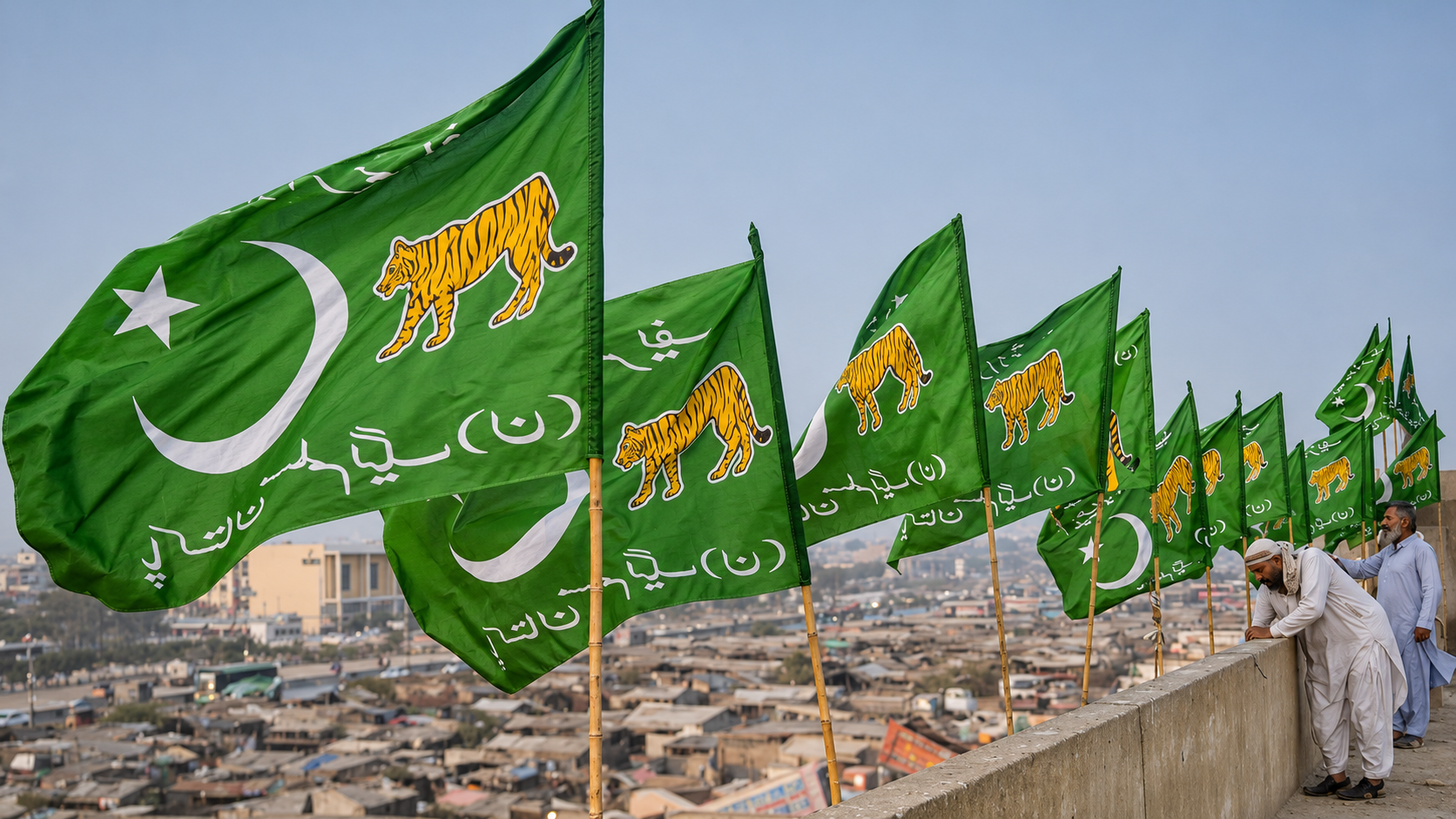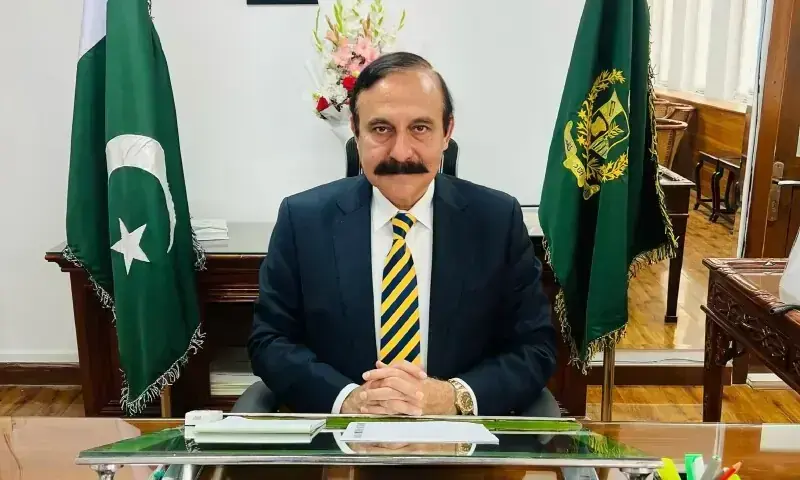
Islamabad: The ruling Pakistan Muslim League Nawaz (PML N), coalition partner Pakistan Peoples Party (PPP) and opposition Pakistan Tehreek e Insaf (PTI) will each receive two Senate seats on the proposed Parliamentary Committee on Electoral Reforms (PCER), Parliamentary Affairs Minister Tariq Fazal Chaudhry announced on Thursday.
In a statement posted on X on November 5, Chaudhry outlined the distribution of the Senate's 10 seats on the committee, which is being established to review Pakistan's electoral framework and propose changes to the parliamentary system governing elections.
Under the arrangement, the Awami National Party (ANP), Balochistan Awami Party (BAP), National Party and Jamiat Ulema i Islam Fazl (JUI F) will each receive one seat. Chaudhry said Prime Minister Shehbaz Sharif and Deputy Prime Minister Ishaq Dar would decide the final nominations after consulting opposition parties, coalition partners and parliamentary leaders.
The committee is expected to comprise 30 lawmakers, including 20 National Assembly members and 10 senators.
Opposition questions committee representation
The announcement follows negotiations between the government and opposition over the composition and purpose of the proposed committee. Earlier this week, Chaudhry contacted PTI's chief whip in the National Assembly, Aamir Dogar, seeking nominations from opposition lawmakers.
Dogar expressed reservations over the proposed distribution of National Assembly seats, arguing that the opposition should have representation equal to that of the government. Under the earlier formula, the government and its allies were expected to receive 15 National Assembly seats, leaving five for opposition parties.
Dogar questioned whether the committee could deliver meaningful reforms under those circumstances. He also referred to the imposition of emergency and governor's rule in Khyber Pakhtunkhwa, along with the detention of PTI leaders and workers, as reasons for the opposition's reluctance to participate.
PTI has also continued to dispute the outcome of the 2024 general election, alleging electoral irregularities. The government has maintained that parliamentary dialogue offers a way to address electoral concerns through legislation.
Government seeks participation from coalition partners
The government had earlier approached the PPP and Muttahida Qaumi Movement Pakistan (MQM P), requesting nominations for the committee. The PPP has submitted names for its proposed representation, although the final membership has not yet been formally notified.
MQM P has also objected to receiving only one National Assembly seat and requested two, citing its parliamentary strength. Meanwhile, PPP Chairman Bilawal Bhutto-Zardari has urged National Assembly Opposition Leader Mahmood Khan Achakzai to nominate opposition representatives and participate in parliamentary discussions.
A PPP delegation also met Achakzai and Senate Opposition Leader Raja Nasir Abbas to seek their support for the initiative. The proposed committee is intended to provide a forum for lawmakers to examine electoral laws, identify areas requiring amendments and submit recommendations to Parliament.
What happens next?
The proposed reforms come amid disagreements over electoral credibility, the role of the Election Commission of Pakistan and the appointment of a new chief election commissioner. Although the government has announced the allocation of Senate seats, the committee's membership and agenda remain subject to further consultations.
The opposition has not confirmed whether it will participate under the proposed arrangements. The committee's ability to produce recommendations accepted across party lines will depend on resolving disagreements over representation and securing the participation of parties that have questioned the electoral process.
Once nominations are finalised, the parliamentary leadership can formally constitute the committee and determine its terms of reference.