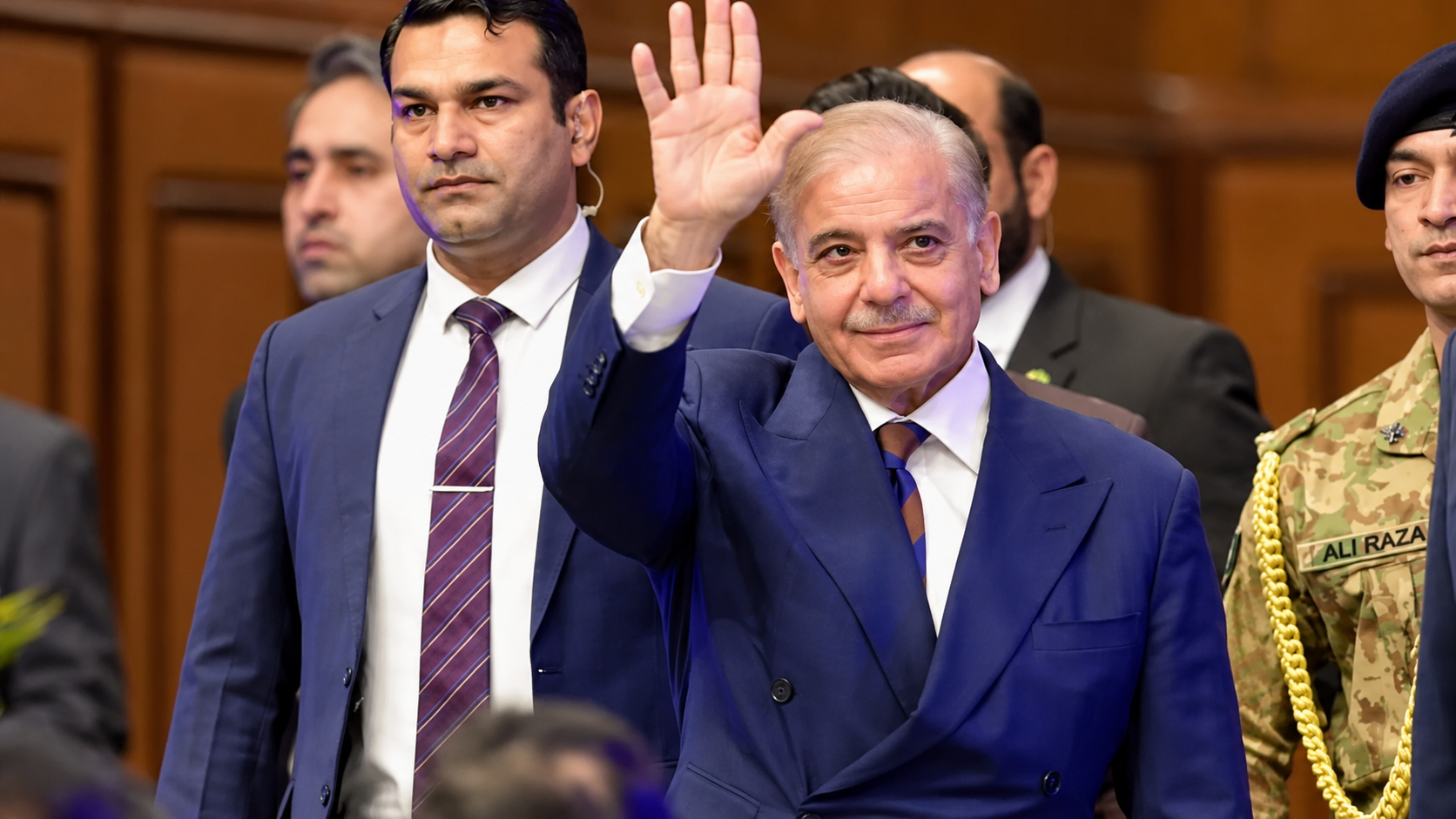
Islamabad: Prime Minister Shehbaz Sharif announced on Sunday, October 25, that the federal government would distribute 500000 Chromebooks to students nationwide over the next two years as part of efforts to improve access to technology and digital education.
The announcement was made during the launch ceremony of the Prime Minister’s Youth Chromebook Scheme in Islamabad.
Addressing the gathering, Sharif said providing young people with modern technology was both his responsibility as prime minister and a collective obligation of the state.
He described young people as Pakistan's assets and said access to digital devices should be determined by students' abilities and efforts rather than their financial circumstances.
The prime minister said the Chromebooks would be distributed on the basis of students' hard work and merit.
Sharif compared the new initiative with laptop distribution programmes introduced during previous Pakistan Muslim League Nawaz (PML N) governments.
He said approximately 600000 laptops had been distributed over a decade under earlier schemes, while the current government intended to provide 500000 Chromebooks within two years.
The proposed distribution represents an average of 250000 devices annually, although the government has not yet provided a detailed timetable for the rollout.
Further information about eligibility requirements, the application process, institutional allocations and the scheme's total budget was not included in the announcement.
Focus on digital learning and access
During his address, Sharif said the devices could help students attend classes remotely and access educational opportunities beyond conventional classrooms.
He expressed hope that improved access to technology would enable Pakistani students to develop the knowledge and skills required in an increasingly digital environment.
Chromebooks are laptops that operate primarily through Google's ChromeOS and are commonly used for web based learning, online assignments and educational applications.
Their use in education generally depends on access to internet connectivity, compatible learning platforms and appropriate technical support.
In Pakistan, differences in household income, internet availability and access to computing devices can affect students' opportunities to participate in digital education.
The Chromebook scheme is intended to address one aspect of this gap by providing students with personal computing devices.
However, the extent of its coverage will depend on how recipients are selected and how the devices are distributed across provinces, educational institutions and different income groups.
Continuation of student technology programmes
The announcement follows earlier federal initiatives aimed at providing laptops to students, particularly those enrolled in higher education. The Prime Minister's Laptop Scheme has previously used merit-based selection to distribute devices among eligible students at participating institutions.
The newly announced Chromebook programme sets a separate distribution target, but the government has yet to clarify whether it will follow the same eligibility criteria or include school level students.
Sharif said students should not fall behind in education and technical skills because of poverty, emphasising that financial limitations should not prevent young people from developing their abilities.
The government is expected to provide further details about the scheme's implementation, including registration procedures, distribution schedules and the categories of students eligible to receive the devices.