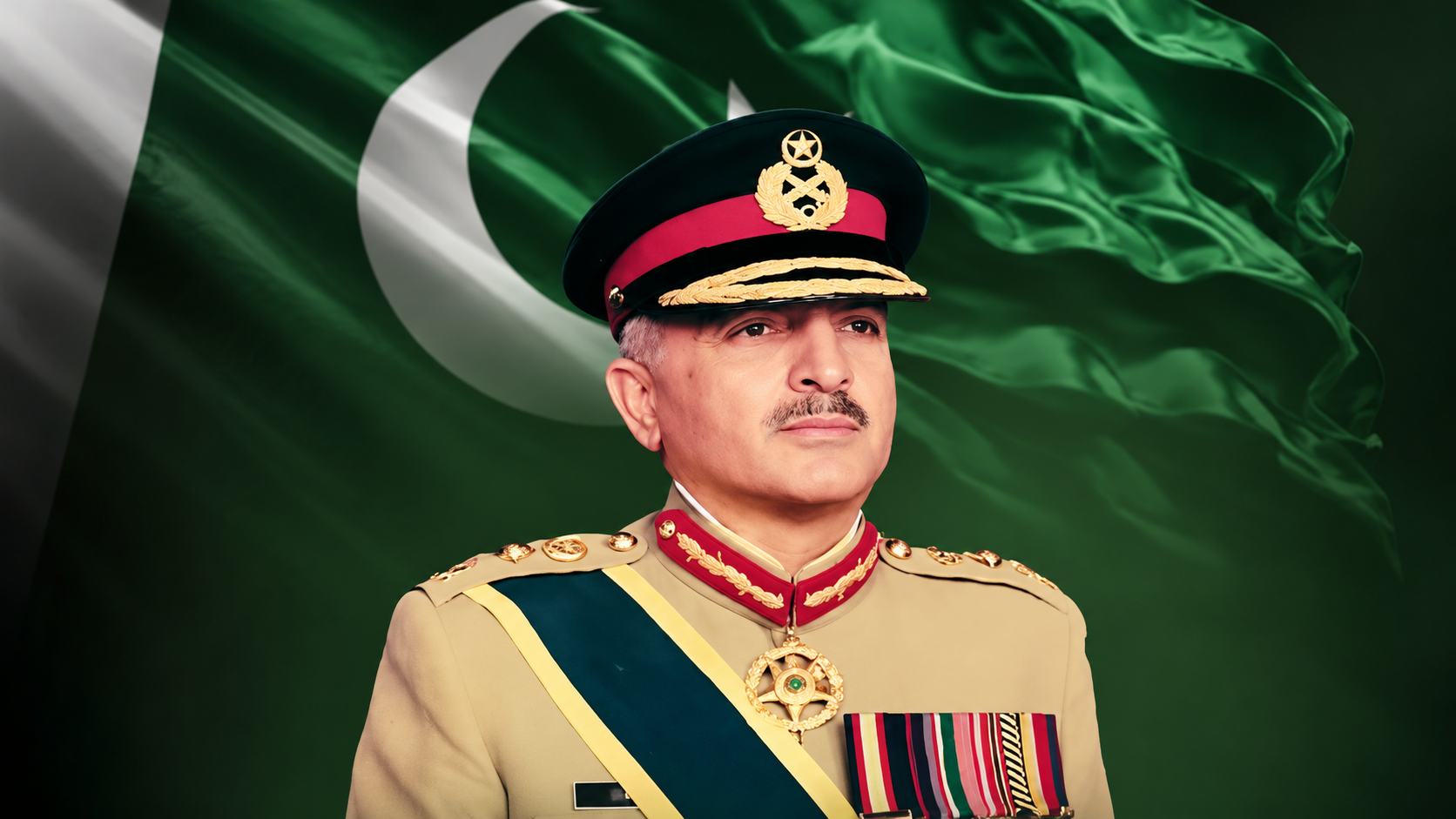
Rawalpindi: Former chief of army staff General Abdul Waheed Kakar passed away in Rawalpindi on Monday, according to the Inter Services Public Relations (ISPR).
In a statement, the military's media wing said Chief of Defence Forces and Chief of Army Staff Field Marshal Asim Munir, along with all ranks of the Pakistan Army, expressed condolences over the former army chief's death. The statement acknowledged Kakar's military service and leadership, while conveying sympathies to his family.
Military career and appointment as army chief
General Abdul Waheed Kakar served as Pakistan's chief of army staff from January 1993 to January 1996, succeeding General Asif Nawaz Janjua, who died while serving as army chief.
Kakar assumed command during a period of political instability under President Ghulam Ishaq Khan and Prime Minister Nawaz Sharif. His appointment came at a time when relations between the civilian government, presidency and military were central to Pakistan's political developments.
Kakar's tenure is closely associated with the constitutional and political crisis of 1993, when disagreements between President Ghulam Ishaq Khan and Prime Minister Nawaz Sharif brought the country's political system into a prolonged confrontation.
In April 1993, the president dismissed Sharif's government and dissolved the National Assembly. The Supreme Court subsequently restored the government, but tensions between the president and prime minister continued.
The crisis ended in July 1993 when both Ghulam Ishaq Khan and Nawaz Sharif resigned following military mediated negotiations.
The arrangement became widely known as the Kakar formula, referring to the army chief's role in facilitating the departure of both leaders and creating the conditions for fresh general elections.
The political transition led to caretaker arrangements and elections in October 1993, after which Benazir Bhutto returned to office as prime minister.
The episode remains part of Pakistan's political history because it demonstrated the military leadership's influence in resolving a confrontation between elected and constitutional officeholders.
Kakar completed his tenure as army chief in January 1996 and was succeeded by General Jehangir Karamat. Unlike several other former army chiefs, he did not subsequently assume a prominent political office.
His death comes more than three decades after the 1993 political transition, a period frequently referenced in discussions of civil military relations and the constitutional balance of power in Pakistan.
The Pakistan Army has expressed condolences to his family and acknowledged his service following the announcement of his death.