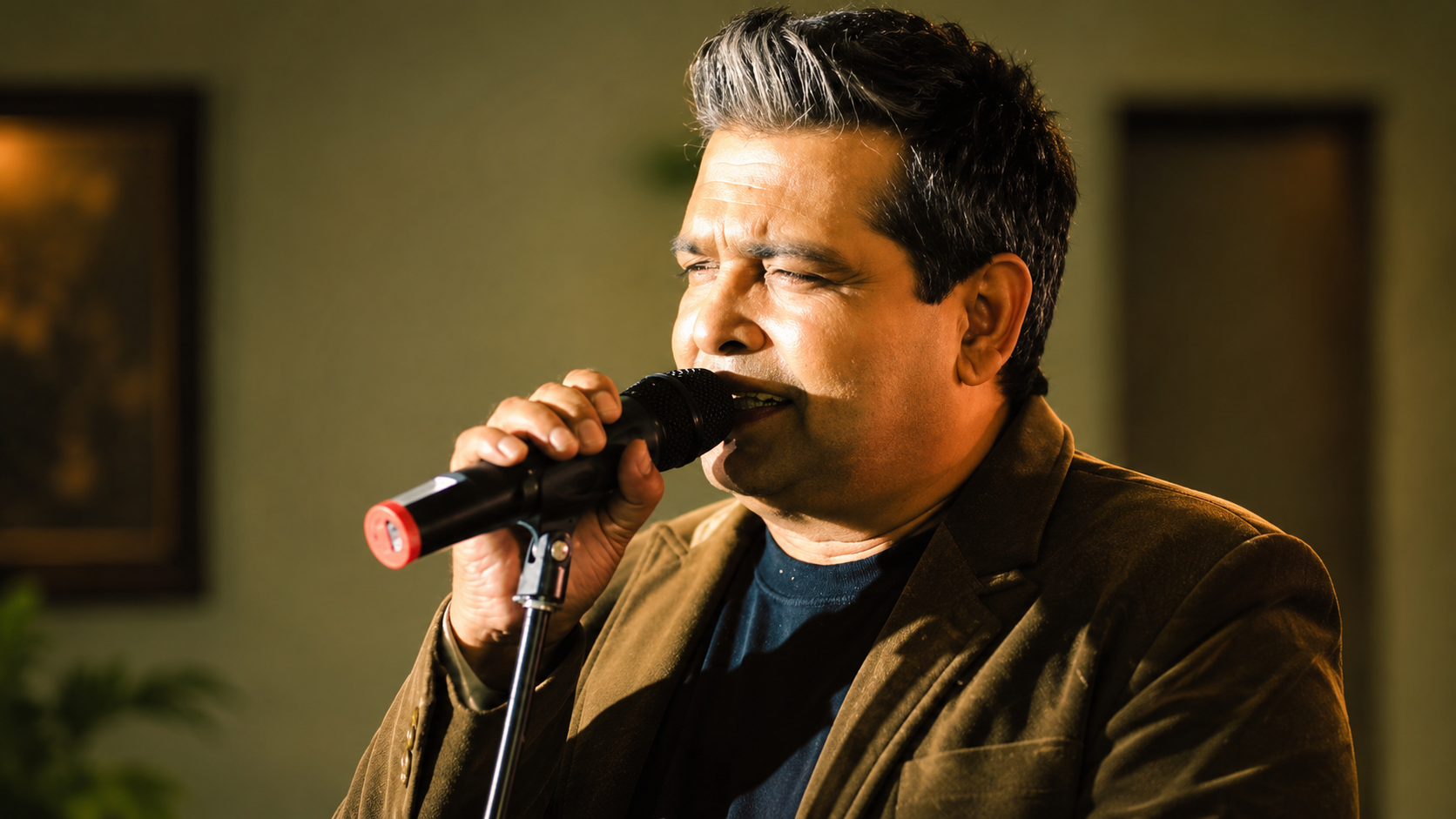
Karachi: Pakistani pop singer and composer Mohsin Raza Khan, known as Bunny, has died in Karachi at the age of 74 after a prolonged battle with cancer, bringing an end to a career associated with the development of pop music in Pakistan during the 1980s and 1990s.
His death was announced by actor and musician Khaled Anam in a Facebook post, in which he paid tribute to his friend and recalled his contribution to the music industry. Anam said Bunny had died at his home in Karachi and offered prayers for him.
According to The Express Tribune, the singer died early on Monday, November 23. His friend, Dr Shafqat Ali, said Bunny was taken to Jinnah Hospital, where doctors declared him dead on arrival. Bunny had reportedly been diagnosed with tongue cancer approximately three decades ago.

His family was making arrangements for his funeral and burial, with his son, who lives in London, informed of his death. The singer had expressed a wish to be buried beside his father in Karachi, according to a friend quoted by The Express Tribune.
Bunny began his music career in 1973 when he joined a band in Lahore. He later performed at hotels and travelled to Europe for musical engagements before returning to Pakistan. His breakthrough came in November 1989 with the release of his debut album, featuring the song Dil Mein Tum.
The song gained recognition for its use of bass guitar, rhythm, and Bunny's vocal style, helping establish him as a performer associated with Pakistan's emerging pop music industry. Recorded at Shadab Sounds in Karachi, the track was released by EMI Pakistan, with musician Arshad Mahmood contributing to its arrangement.
The success of Dil Mein Tum brought Bunny opportunities to perform on television programmes dedicated to pop music.
He became a regular presence on Music Channel Charts, a programme that helped introduce audiences to Pakistani singers and bands during a period when television was an important platform for promoting music.
His other songs included Nasheeli, Deewane and Raasta Naya, although Dil Mein Tum remained the recording most closely associated with his career.
The song continued to attract listeners beyond its original release. In 2011, the band Roxen and vocalist Mustafa Zahid collaborated on a rock version, introducing the composition to another generation of music listeners.
Bunny's career coincided with a period when Pakistani pop music was expanding beyond film soundtracks and radio broadcasts. During the late 1980s and 1990s, albums, music videos and television programmes provided performers with opportunities to reach audiences independently of the film industry.
Artists and bands including Vital Signs, Strings and other performers helped develop a market for recorded pop music, while music programmes offered exposure to singers pursuing different styles.
Bunny was among the musicians whose work reached audiences during this transition. Beyond his recordings, he supported younger musicians through his studio in Karachi. According to reports, members of the band Mizmaar were among those who benefited from access to his recording facilities.
His involvement in music production and support for other performers formed another part of his contribution to the industry. Although Bunny had largely remained away from mainstream music releases in recent years, his recordings continued to be associated with the period in which Pakistani pop music expanded its audience.
His death prompted tributes from fellow artists and listeners who remembered his songs and his role in the country's music industry. For many listeners, Dil Mein Tum remains a reminder of an era when Pakistani musicians were developing a place for pop music outside traditional film playback singing.
Bunny's work, both as a performer and through his support for other musicians, remains part of that history.