Islamabad: Pakistan has opened the 15th annual meeting of the International Network for Nuclear Security Training and Support Centres (NSSC Network) in Islamabad, bringing together approximately 68 delegates from 49 countries to discuss nuclear security training and cooperation.
The four day conference began on Monday, November 23, at the Pakistan Centre of Excellence for Nuclear Security (PCENS), in collaboration with the International Atomic Energy Agency (IAEA), and will continue until Thursday, November 26.
The meeting brings together policymakers, nuclear regulators, academics and technical experts to discuss security challenges, exchange experience and develop cooperation between national training institutions. Pakistan last hosted the network's annual meeting in 2016, when Islamabad became the first venue outside the IAEA's headquarters in Vienna to organise the gathering.
The conference's return after a decade reflects Pakistan's involvement in the network, which supports countries in developing the personnel, institutions and technical resources needed to protect nuclear and radioactive materials. In a video address to the opening session, IAEA Director General Rafael Mariano Grossi thanked Pakistan for hosting the meeting for a second time.
Grossi said the network helped countries translate nuclear security policies and standards into measures implemented through training and institutional cooperation. He noted that the network's work was becoming increasingly relevant as countries expanded the use of nuclear technology in electricity generation, medicine, agriculture and other sectors.
The growing use of these technologies creates a need for personnel trained to secure nuclear facilities, radioactive sources and associated materials against theft, sabotage and unauthorised access. Additional Foreign Secretary Ambassador Khalil Hussain Hashmi, delivering the keynote address, reaffirmed Pakistan's commitment to nuclear security and cooperation with the IAEA.
He said security arrangements depended on the capacity of national institutions, the training of personnel and coordination between countries. Hashmi also acknowledged the IAEA's role in supporting international nuclear security arrangements and said the network provided opportunities for countries to exchange practices and strengthen their capabilities.
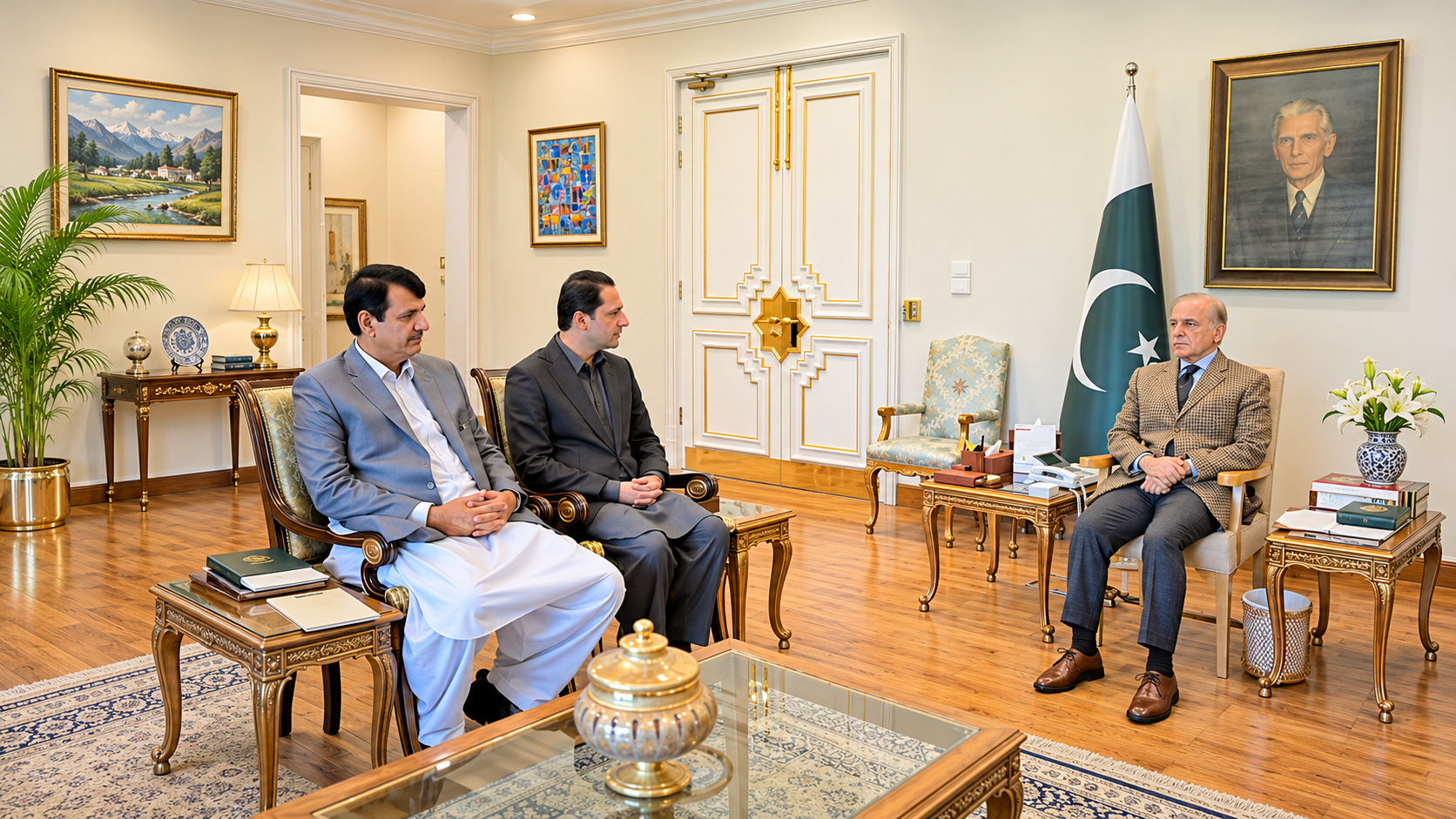
Pakistan Nuclear Regulatory Authority (PNRA) Chairman Zia Hussain Shah formally inaugurated the meeting. Addressing delegates, Shah emphasised the importance of human resource development in maintaining nuclear security.
He said investment in training and professional skills was necessary to ensure that countries could implement security measures and respond to emerging threats. The PNRA chairman also highlighted Pakistan's contribution to the NSSC Network through its training and regulatory institutions.
The network was established by the IAEA in 2012 to facilitate cooperation among countries operating nuclear security support centres or seeking to develop them. Its activities include sharing training resources, developing technical expertise and supporting national programmes for securing nuclear materials and facilities.
Pakistan's participation is supported by institutions including PCENS, the National Institute of Safety and Security (NISAS) and the Pakistan Institute of Engineering and Applied Sciences (PIEAS). These institutions provide education and training in areas such as physical protection, nuclear material accounting, transport security, cybersecurity and the reliability of personnel working in sensitive facilities.
The training is intended to help participating countries build the capacity to prevent and respond to incidents involving nuclear or radioactive material. Pakistan has previously offered training opportunities to international participants through cooperation with the IAEA.
The country's Foreign Office has described the hosting of the meeting as part of Pakistan's contribution to international nuclear security capacity building. Following Monday's opening session, diplomats and IAEA representatives visited laboratories at PCENS to review the facility's training infrastructure.
The conference programme includes technical sessions and working group discussions addressing nuclear security practices and cooperation between member states. Delegates are also scheduled to visit NISAS and PIEAS during the meeting to examine training programmes and exchange technical experience.
The gathering comes as nuclear technology continues to be used in sectors beyond electricity generation, including medical diagnosis, cancer treatment, food production and industrial applications. These uses involve radioactive materials that require systems for monitoring, physical protection and regulatory oversight.
Nuclear security differs from nuclear safety: safety focuses on preventing accidents and limiting their consequences, while security addresses deliberate acts such as theft, sabotage and unauthorised access. Both require trained personnel and functioning national institutions, although they involve different responsibilities and procedures.
For Pakistan, hosting the meeting provides an opportunity to present its training infrastructure and maintain engagement with the IAEA and participating countries. For the network's members, the discussions offer a forum to identify training needs, share resources and coordinate activities.
The meeting is scheduled to conclude on November 26. Any decisions or commitments resulting from the technical discussions will become clearer as the conference progresses.