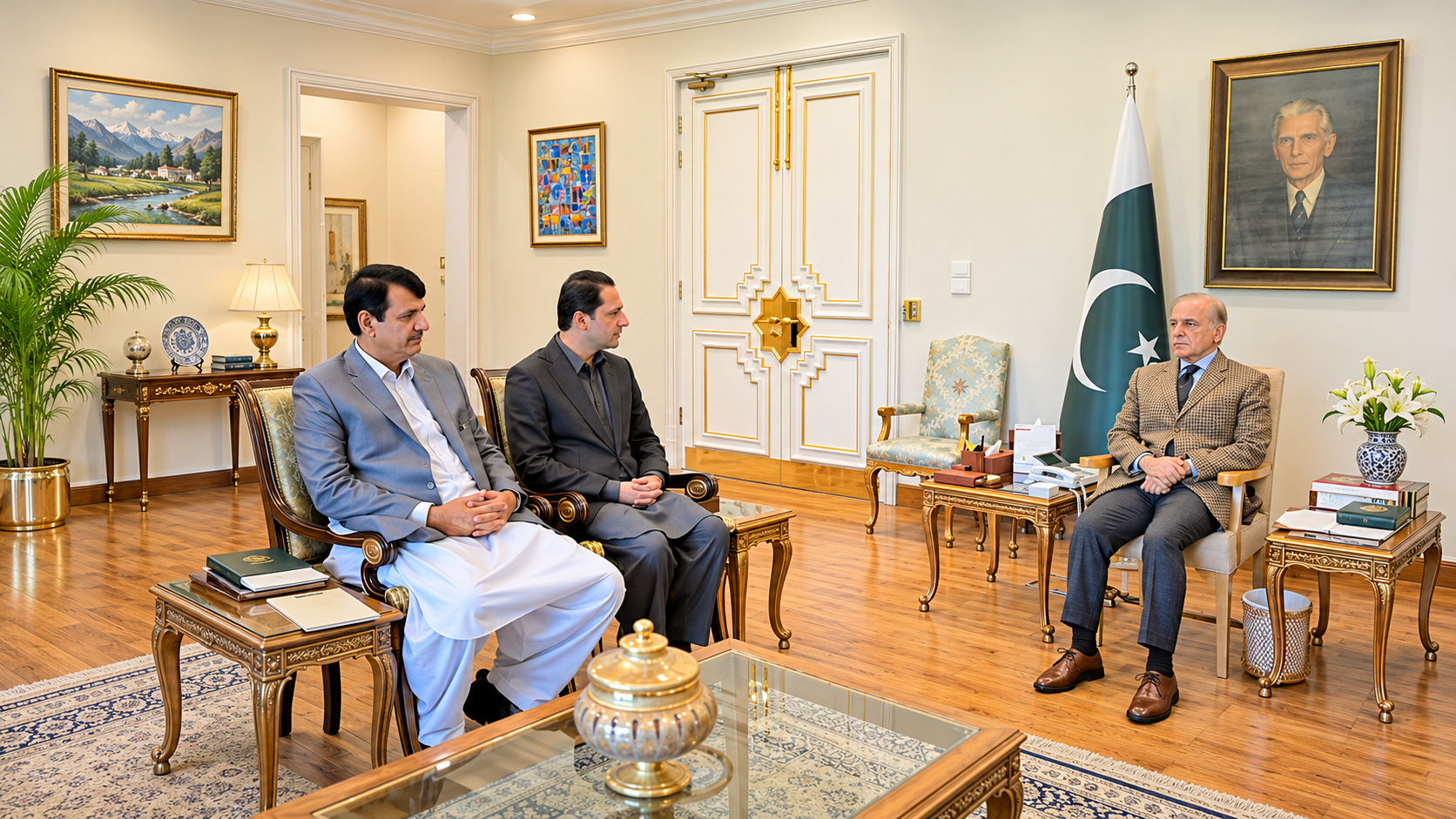
Islamabad: Prime Minister Shehbaz Sharif on Tuesday reaffirmed the federal government's commitment to supporting development projects in Azad Jammu and Kashmir (AJK) during a meeting with AJK Prime Minister Syed Iftikhar Ali Gilani in Islamabad.
The meeting, held at the Prime Minister's Office, focused on the implementation of AJK's 100 day development programme and cooperation between the two governments to improve public services.
According to a statement issued by the Prime Minister's Office, Gilani briefed Shehbaz on progress under the programme, which was announced earlier this month and covers healthcare, education, housing, transport and employment.
Shehbaz assured the AJK government that federal support would continue for development projects and the provision of facilities to residents. The prime minister also reiterated Pakistan's position on the Kashmir dispute, saying Islamabad would maintain its moral, political and diplomatic support for the Kashmiri people's right to self determination.
Gilani thanked Shehbaz for his visit to AJK on November 18 and acknowledged the federal government's commitment to financing the development programme.
Deputy Prime Minister and Foreign Minister Ishaq Dar, Minister for Kashmir Affairs and Gilgit Baltistan Amir Muqam and Adviser to the Prime Minister Rana Sanaullah attended Tuesday's meeting.
The discussions followed a meeting in Muzaffarabad last week, where Shehbaz and Pakistan Muslim League Nawaz (PML N) President Nawaz Sharif met AJK President Dr Muhammad Najeeb Naqi Khan and Gilani. During that visit, the leadership reviewed the region's development priorities and announced plans to improve public services over the following 100 days.
Shehbaz also inaugurated the Rathoa Haryam Bridge, which is intended to improve transport connections between Mirpur and surrounding areas. The project forms part of wider efforts to improve road infrastructure and access to economic activity in AJK.
Under the 100 day programme, the AJK government plans to establish three cardiac catheterisation laboratories and two stroke centres, alongside improvements to basic health units. It also intends to extend the Clinic on Wheels programme across the region to improve access to medical services.
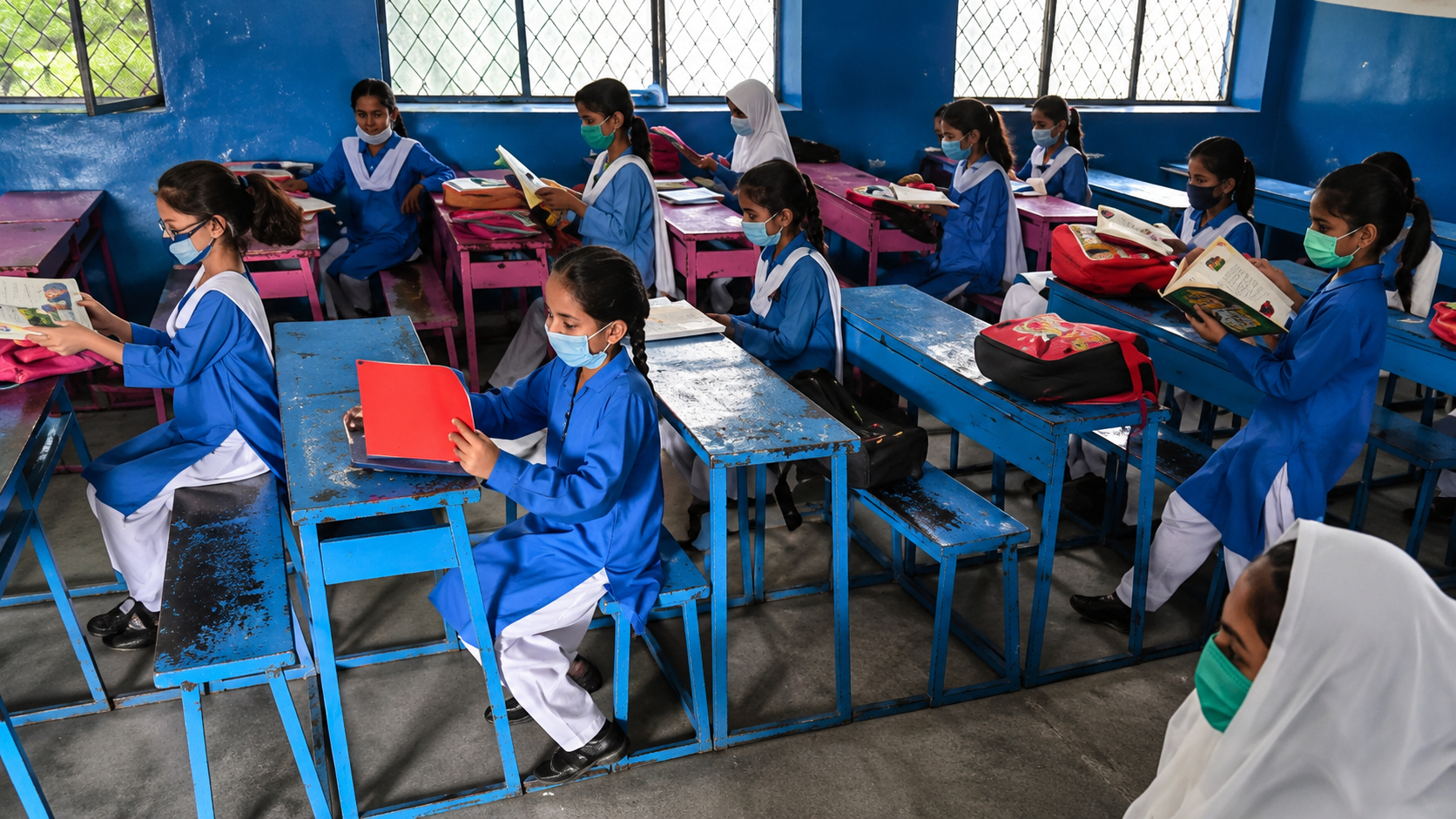
In education, the programme includes scholarships for students seeking admission to universities, the establishment of Daanish Schools and measures to expand access to technology based learning.
The government has also proposed skills training and business loans for young people to support employment and entrepreneurship. Transport plans include extending the Green Bus Service to six more cities, while housing initiatives include introducing the Apni Chhat Apna Ghar programme.
Development work has also been proposed for Muzaffarabad, Bagh and Mirpur, including improvements to roads and infrastructure serving tourist destinations. These initiatives were announced during the November 18 meeting, when Shehbaz pledged federal financing for their implementation.
The 100 day programme represents an attempt by the AJK government to address concerns about access to healthcare, education, transport and employment. However, the Prime Minister's Office did not disclose the amount of funding released so far or provide a project by project assessment of progress during Tuesday's meeting.
The government has also not announced how many proposed facilities will be completed within the 100 day period or the arrangements for monitoring their implementation. The effectiveness of the programme will therefore depend on the availability of funds, administrative coordination and the delivery of services to residents.
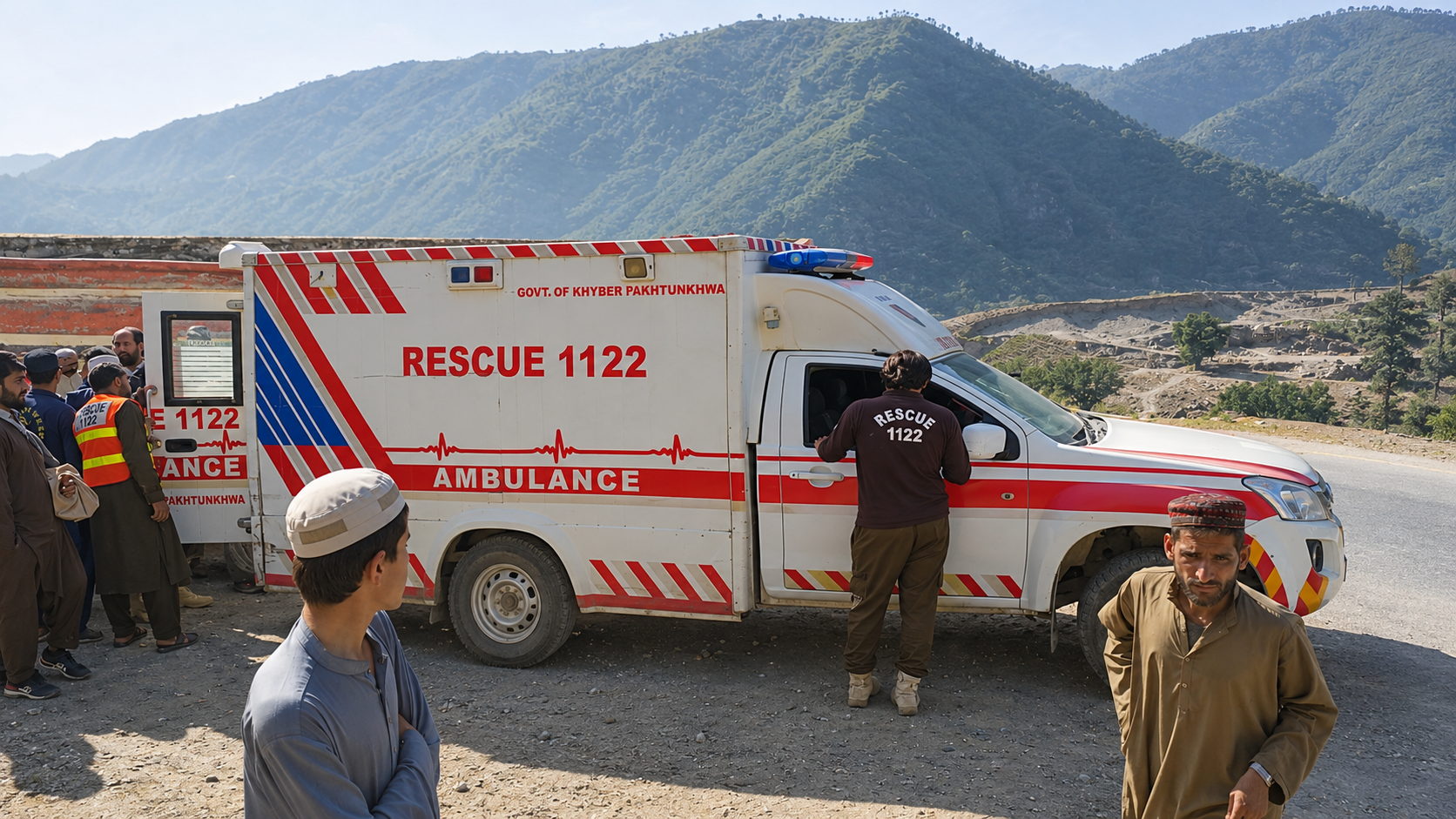
The latest meeting comes amid political tensions in parts of AJK, particularly Rawalakot, where clashes involving security personnel and supporters of the Joint Awami Action Committee (JAAC) were reported earlier in November.
The committee has campaigned over governance, political representation and public welfare, including demands concerning reserved seats in the AJK Legislative Assembly and the privileges of political officeholders. AJK authorities banned the organisation in June, accusing it of involvement in activities threatening public order. Its supporters have disputed the government's allegations.
The Human Rights Commission of Pakistan expressed concern over reports of casualties during the unrest and called for dialogue between the authorities and protesters. Former AJK prime minister Raja Farooq Haider also appealed for intervention to prevent further violence.
The unrest highlights the challenges facing the AJK government beyond the implementation of development projects. While infrastructure, education and healthcare are part of the administration's programme, demands concerning political representation and governance remain subjects of dispute.
Tuesday's meeting did not announce measures addressing the protests or changes to the government's approach towards the JAAC. For Islamabad, the discussions reaffirmed its role in financing and supporting projects undertaken by the AJK administration.
For the regional government, the coming weeks will provide an opportunity to demonstrate progress on the commitments announced in Muzaffarabad.
The next stage will depend on whether the federal government releases the required resources and whether the AJK administration can complete the projects within its announced timetable.