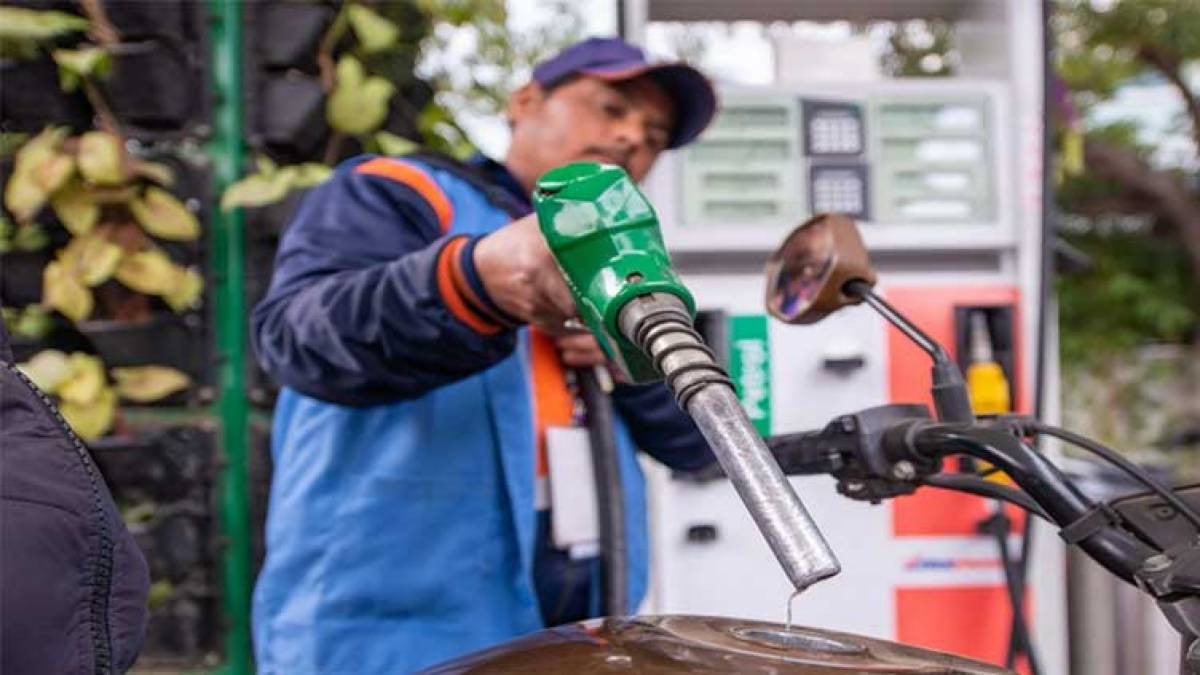


Islamabad: Pakistan has expanded its special fuel relief scheme, allowing users of older motorcycles, rickshaws and Qingqi rickshaws to receive subsidised petrol under revised eligibility and payment rules.
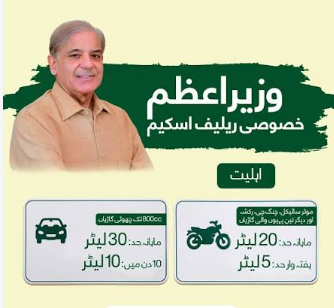
Under the latest changes, motorcycle, Qingqi and rickshaw users who need less than five litres of petrol can now receive a Rs500 weekly subsidy through a single token. The five litre minimum purchase requirement has been removed, allowing beneficiaries to use the token for smaller quantities of fuel.
One token will be issued each week, with four tokens available in a month. The full Rs500 value is to be passed on to the consumer, with petrol stations not permitted to deduct a service charge from the benefit.
The government has also expanded eligibility for two and three wheelers to vehicles registered from January 1, 2006. This means motorcycles, rickshaws and Qingqi rickshaws up to 20 years old can now be registered for the scheme.
For cars with engine capacity of up to 800cc, the existing arrangement remains unchanged. Eligible users receive a Rs100 per litre subsidy on up to 10 litres of petrol every 10 days, equivalent to three tokens covering 30 litres in a month.
The changes followed feedback received during the first 48 hours of the nationwide rollout. Deputy Prime Minister Ishaq Dar also chaired a meeting of the National Steering Committee on Fuel Subsidy to review registration, token redemption and payments to petrol stations.
The State Bank of Pakistan has been directed to provide payment status reports twice a day, while alternative arrangements are being considered for fuel stations in areas with limited or no internet connectivity, including parts of Khyber Pakhtunkhwa, Azad Jammu and Kashmir and Gilgit Baltistan.
The fuel relief programme was introduced after a sharp rise in international oil prices linked to the wider Middle East conflict. The government says the targeted scheme is intended to reduce the impact on people who depend on motorcycles, rickshaws and small vehicles for daily travel and livelihoods.