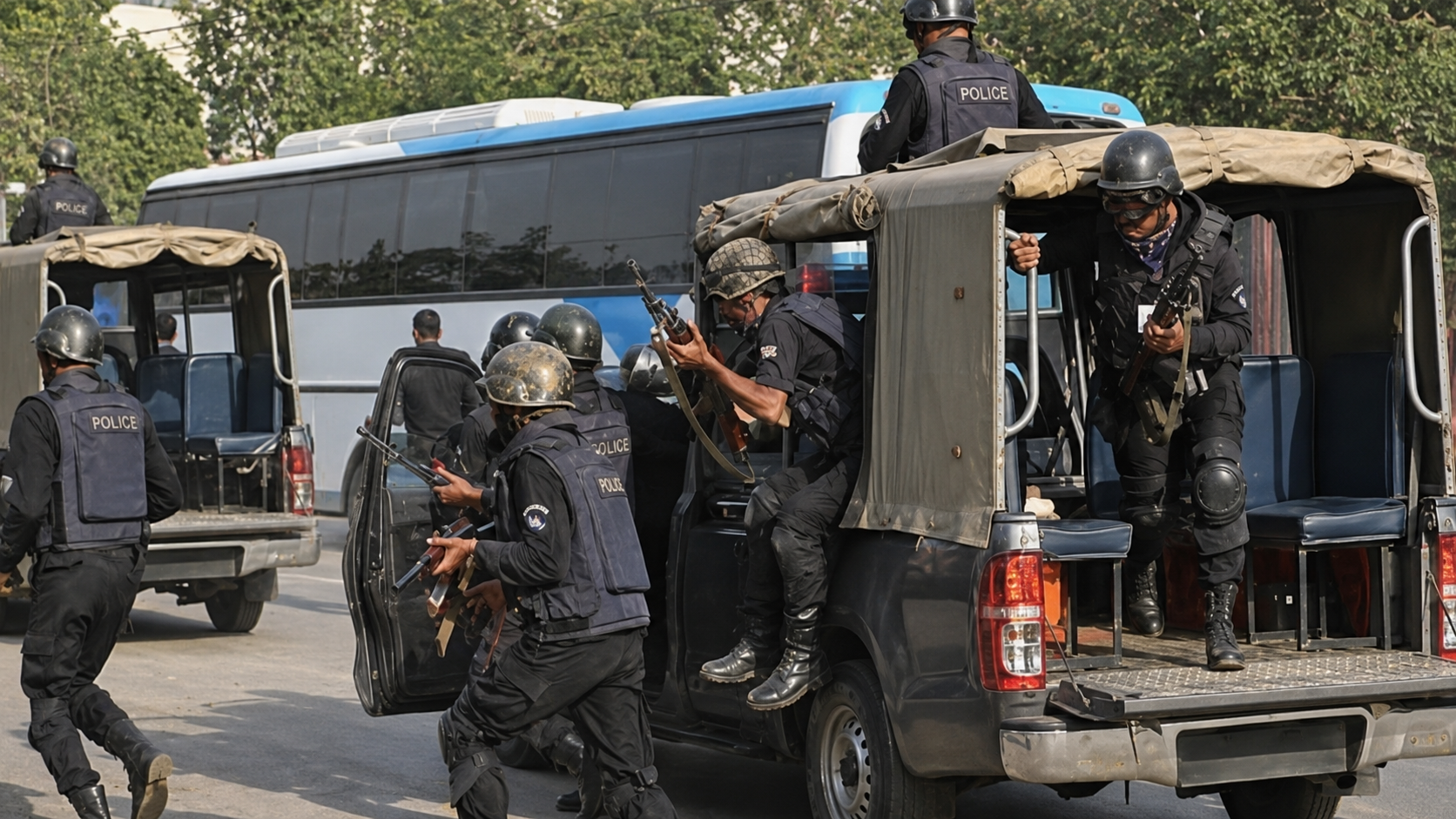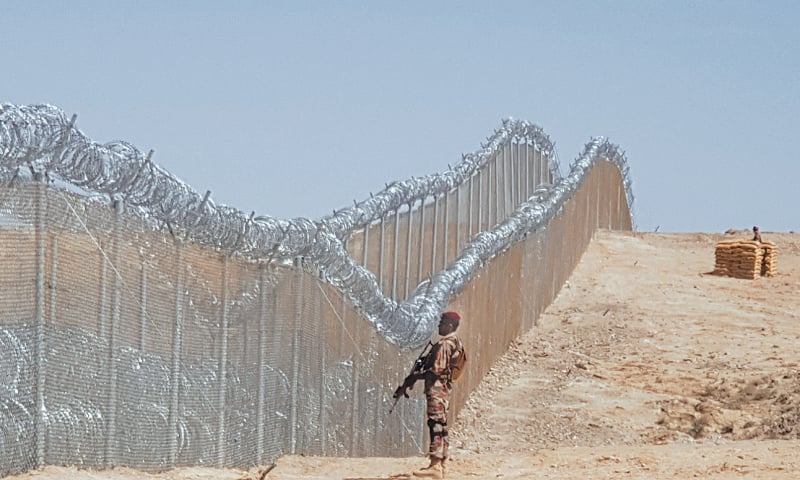
Peshawar: Pakistani and Afghan border forces exchanged fire at multiple locations along their shared frontier on Sunday, November 1, disrupting border operations and raising concerns over further escalation between the two countries. The clashes led to a nearly five hour closure of the Torkham crossing in Khyber district, while mortar shelling near Angoor Adda in Lower South Waziristan reportedly killed one civilian.
The confrontation at Torkham began when Afghan authorities resumed construction at the disputed Zangali checkpost, located within 100 metres of the border. Pakistani officials said the construction violated an earlier understanding between the two countries restricting security-related development in the area.
An exchange of small arms fire continued for approximately an hour before border representatives reached an understanding through intermediaries to suspend construction. The crossing subsequently reopened, although the interruption temporarily halted the repatriation of undocumented Afghan nationals and government operations at the border.
The Zangali checkpost has been a recurring source of disagreement. A similar dispute on October 19 temporarily suspended border activities, while another confrontation followed renewed construction work later that month.
Meanwhile, the situation remained unresolved near Angoor Adda, where the Lower South Waziristan deputy commissioner accused Afghan Taliban forces of firing at Pakistani border positions. According to the official, Pakistani forces responded by targeting Afghan border posts and mortar positions. The reported civilian death near Angoor Adda and the extent of damage across the border could not be independently verified.
Pakistan warns Kabul over militant sanctuaries
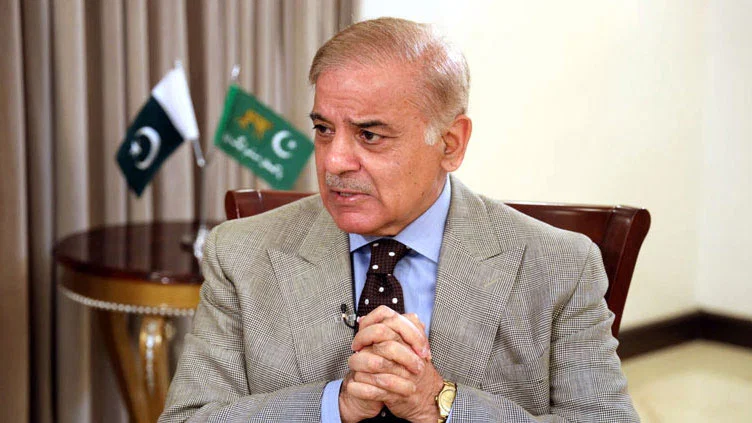
The exchanges coincided with remarks by Inter-Services Public Relations Director General Lt Gen Ahmed Sharif Chaudhry, who warned that continued militant activity from Afghan territory could provoke further Pakistani military action. In an interview broadcast in part on Sunday, Chaudhry said Pakistan possessed the capability to respond to threats originating across the border and that the Afghan Taliban administration would struggle to withstand the consequences of continued support for militant groups.
He maintained that Islamabad did not seek to interfere in Afghanistan's internal affairs but expected the Taliban authorities to prevent armed organisations from using Afghan territory against Pakistan.The military spokesperson also accused India of sponsoring militant networks operating against Pakistan, identifying the Tehreek i Taliban Pakistan (TTP) and Balochistan Liberation Army (BLA) as proxies allegedly supported by New Delhi.
He further alleged that drone capabilities used by militant organisations were being supplied by external sponsors. These accusations were presented without independently verifiable evidence in the reported interview.
Washington acknowledges Pakistan's security concerns
US Secretary of State Marco Rubio, speaking to reporters at a G20 foreign ministers' meeting in Atlanta, acknowledged Pakistan's concerns about attacks originating from Afghan territory. Rubio said Washington opposed terrorism regardless of its source and recognised the security threats Islamabad had raised.
He also indicated that the United States was willing to play a constructive role in reducing tensions, despite maintaining limited relations with Afghanistan's Taliban administration. His remarks placed Washington's position alongside Pakistan's concerns about cross border militancy, although they did not constitute an endorsement of all allegations made by Pakistani military officials.
Border disputes complicate Pakistan Afghanistan relations
The latest confrontation reflects two unresolved issues in Pakistan Afghanistan relations: disagreements over border management and Islamabad's demands for action against militant organisations operating from Afghan territory.
Pakistan recognises the approximately 2600 kilometre Durand Line as its international border, while successive Afghan governments, including the Taliban administration, have disputed its status. Relations have deteriorated further since the Taliban returned to power in August 2021. Islamabad accuses Kabul of allowing TTP militants to maintain sanctuaries in Afghanistan, an allegation the Afghan authorities have repeatedly rejected.
The two countries have experienced periods of armed confrontation, border closures and unsuccessful negotiations, with previous ceasefire arrangements failing to resolve disputes over militant activity and territorial control. Torkham remains an important crossing for movement between Pakistan and Afghanistan, and interruptions affect border communities, returning Afghan nationals and cross border economic activity.
While the agreement to suspend construction enabled operations at Torkham to resume, continuing exchanges near Angoor Adda illustrated the limits of local arrangements in addressing the broader dispute.
Washington's willingness to facilitate dialogue could provide another diplomatic channel, but it had not announced any formal US mediation initiative or agreement between Islamabad and Kabul.