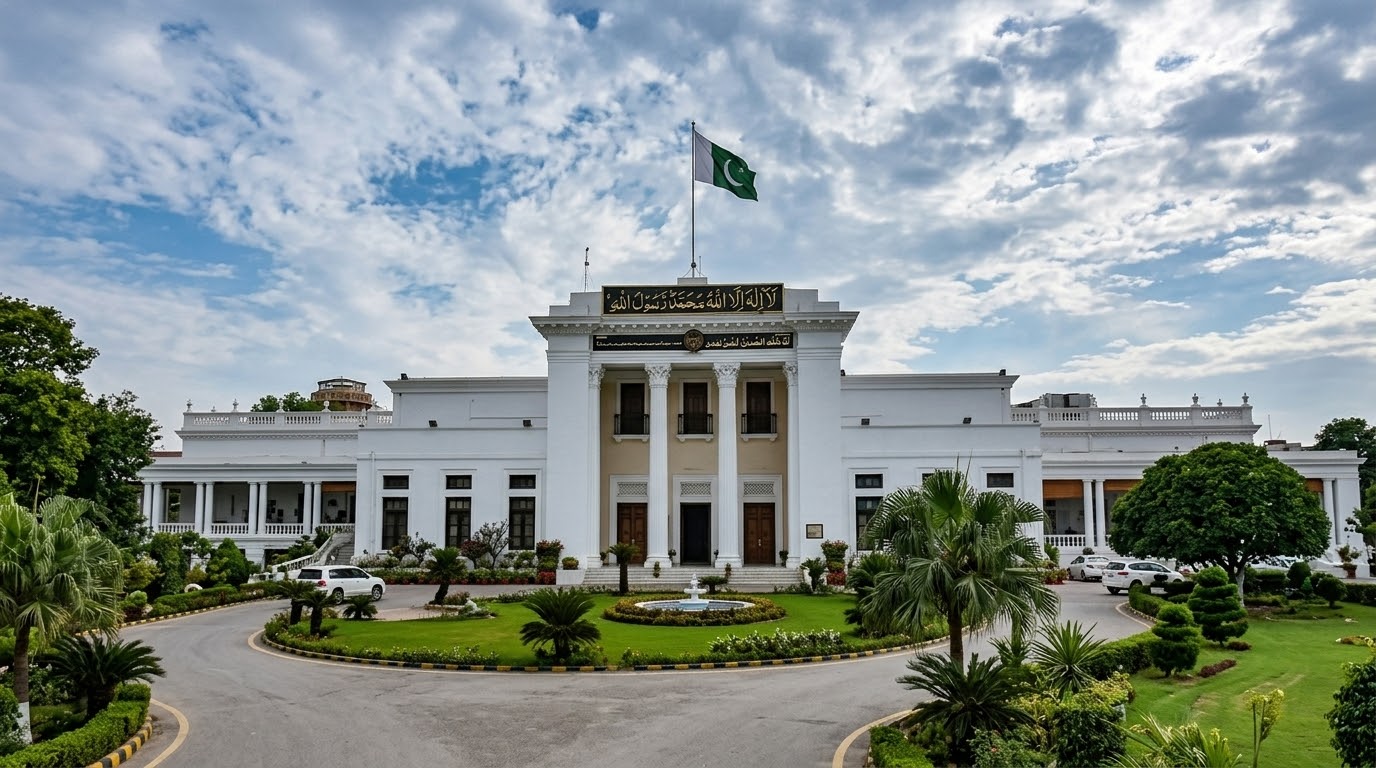
Peshawar: The Area Representative and Development Council (ARDC) will meet in Peshawar on Thursday, November 26, to review security arrangements, development projects and governance measures across 12 designated districts of Khyber Pakhtunkhwa.
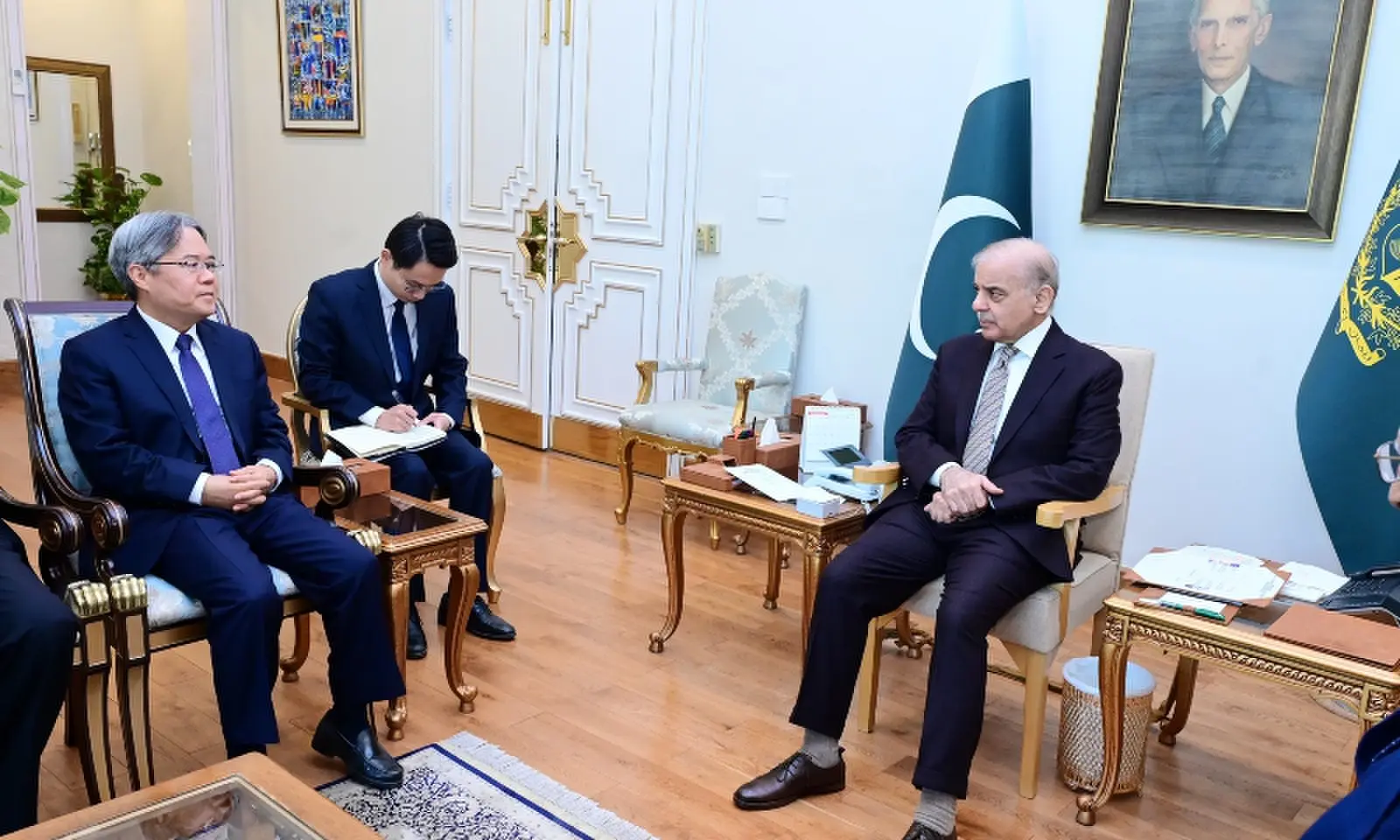
Peshawar Corps Commander Lieutenant General Naeem Akhtar, administrator of the designated districts Muhammad Yahya Akhunzada and officials from the civil administration are expected to attend the council's third meeting.
The gathering will bring together tribal elders and government representatives to assess progress on development programmes and identify challenges affecting communities in areas covered by the council.
A central item on the agenda is the government's plan to complete 100 development and administrative targets within 180 days. Officials are expected to brief council members on measures being implemented in education, healthcare, infrastructure and public service delivery.
The meeting will also examine the security situation and seek recommendations from tribal representatives on addressing local concerns and improving coordination between communities and the administration.
The ARDC was established on October 17, following the federal government's imposition of emergency measures and governor's rule in Khyber Pakhtunkhwa earlier that month.
The 48 member body was formed to provide representation from 12 districts placed under administrative arrangements aimed at addressing security and development challenges. Former Khyber Pakhtunkhwa governor Shaukatullah Khan was appointed chairman, while Malik Khan Marjan was named vice chairman.
The districts covered by the council are Bajaur, Mohmand, Khyber, Kurram, Orakzai, North Waziristan, Upper South Waziristan, Lower South Waziristan, Bannu, Lakki Marwat, Tank and Dera Ismail Khan.
The council operates alongside the Area Development Secretariat (ADS), which was established to coordinate administrative and development activities in the designated districts. The secretariat's responsibilities include security administration, education, economic development, finance and planning.
In October, the administration appointed departmental secretaries to oversee these areas as part of the governance structure introduced after the emergency measures.
Development spending and service delivery under review
The council's formation was accompanied by a federal commitment to provide Rs 160 billion for development in the designated districts. At the council's first meeting in Landi Kotal on November 5, Chairman Shaukatullah Khan said the funding would support education, healthcare, employment and communications infrastructure.
He maintained that the council would monitor the use of development funds and seek to ensure that projects addressed the needs of residents.
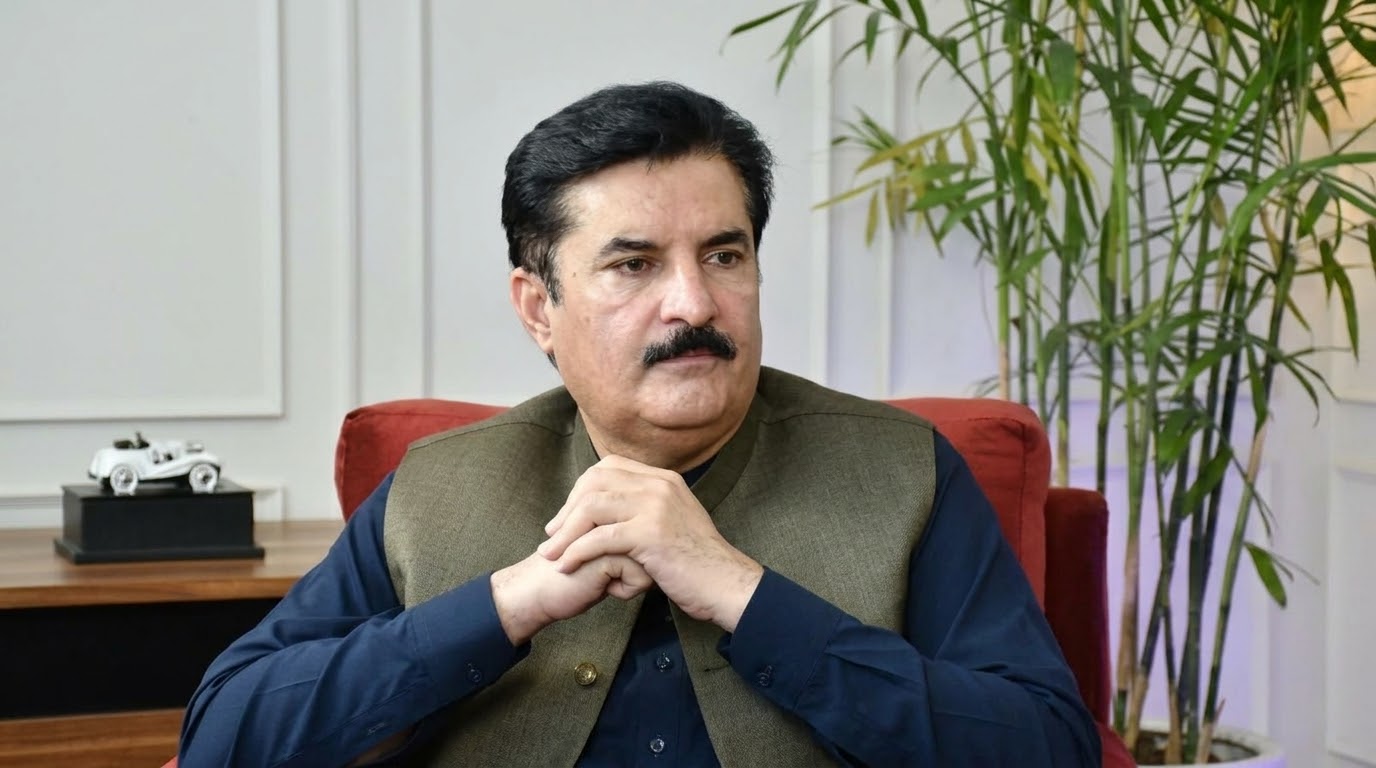
The latest meeting is expected to review progress since those commitments were announced. Earlier this month, KP Governor Faisal Karim Kundi chaired a meeting on projects being implemented through the Area Development Secretariat.
Officials briefed him on development targets, infrastructure schemes, healthcare facilities and education initiatives, as well as programmes aimed at economic activity and public welfare. The administration was also instructed to accelerate implementation and improve coordination between departments.
Security and local representation remain central issues
Security remains a focus of the council's activities, particularly in districts affected by militant violence and disruption to public services. The government has sought to involve tribal elders in discussions on peace and community cooperation, arguing that local participation is necessary for implementing security and development measures.
However, the administrative arrangements introduced under governor's rule have also raised questions about political representation and the role of elected local institutions. The Election Commission of Pakistan has directed preparations for local government elections in other parts of Khyber Pakhtunkhwa while excluding the 12 designated districts operating under emergency arrangements.
This has placed additional attention on how the ARDC represents local concerns and how its recommendations are incorporated into government decisions. The council's effectiveness will depend on whether the administration can translate consultations into completed projects and improvements in public services.
Officials have not yet released a district wise assessment of how many of the 100 targets have been achieved or how much of the announced development funding has been spent.
Thursday's meeting is expected to provide an opportunity to review those commitments and identify areas requiring further government intervention. The outcome will also indicate whether the council's approach to security, development and community participation is producing measurable progress across the 12 districts.