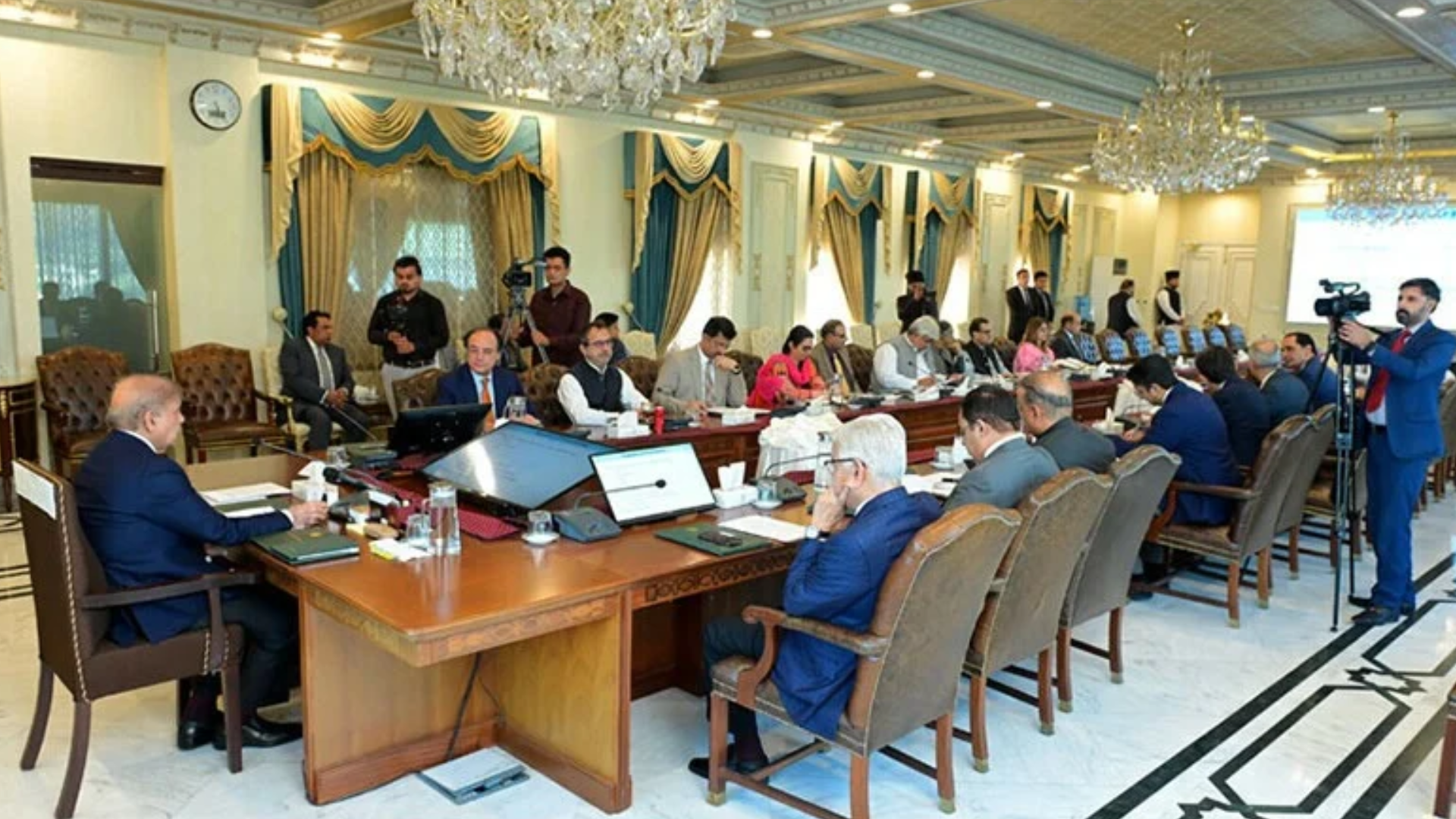
Islamabad: The federal government introduced a bill in the National Assembly (NA) to establish a unified commission to oversee the privatisation of state owned enterprises and public private partnership projects, and to propose legal and investigative immunity for officials involved in these activities.
The proposed Privatisation and Public Private Partnership Commission (PPPPC) would combine the existing Privatisation Commission and Public Private Partnership Authority (P3A) into one institution.
The legislation seeks to amend the Privatisation Commission Ordinance 2000 and repeal the Public Private Partnership Authority Act 2017, dissolving the existing P3A.
According to the government, the merger would eliminate overlapping responsibilities, reduce administrative duplication and improve the management of transactions involving public assets, infrastructure and services.
The incumbent chairman of the Privatisation Commission, Muhammad Ali, would head the proposed commission. Its board would include a majority of independent members, including private sector representatives and at least two women.
The new body would oversee the assessment, structuring, approval, and monitoring of public private partnership projects, as well as privatisation transactions.
It would also administer four funds: the privatisation fund, the public contribution fund, the viability gap fund and the PPP project development fund.
These funds could receive financing from federal budget allocations, international lenders, investment income and other sources. Unspent balances would remain available beyond the financial year.
The public contribution fund could cover government obligations for infrastructure projects, including land acquisition, site handover, and rights of way.
Proposed legal immunity for officials
A key provision of the bill provides legal protection for current and former chairmen, secretaries, board members, officials, and consultants.
The draft proposes immunity from legal proceedings and investigations for actions or omissions undertaken in good faith and in a personal capacity. It also allows public funds to cover the costs of defending such cases.
Although the protection is tied to good faith actions, the provision raises questions about how accountability would be maintained and how allegations of misconduct would be examined.
The legislation also proposes making public private partnership agreements available to interested individuals, subject to applicable laws.
Government agencies could be required to provide details of existing, proposed and planned projects within 15 days of receiving a written request from the commission.
The new institution would inherit the existing contracts signed by the P3A and retain its employees and consultants for up to six months, or until their contracts expire, whichever comes first.
The proposed merger represents a significant restructuring of Pakistan's privatisation framework, concentrating oversight of public asset sales and private sector infrastructure partnerships within a single institution.
However, the bill was introduced only in the NA and still awaits approval as law. Its final provisions will depend on the legislative process.