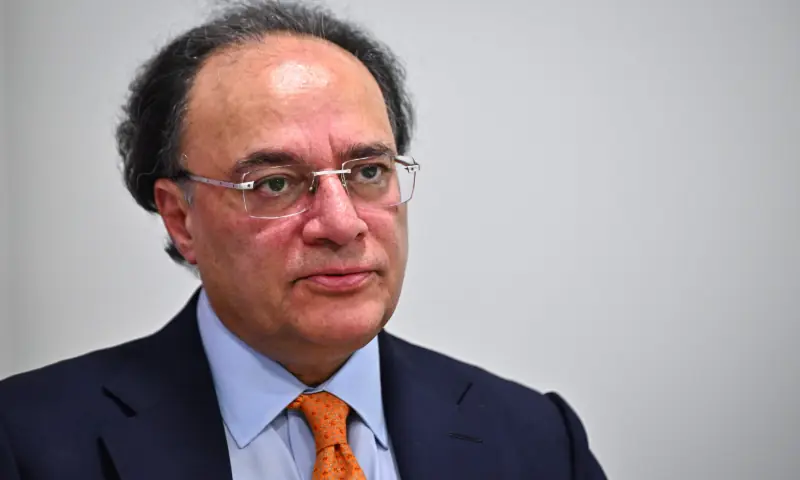
Bangkok: Finance Minister Muhammad Aurangzeb said Pakistan had secured enough energy supplies through November and was planning for increased winter consumption, while warning that attacks on Gulf infrastructure posed a longer term economic risk.
Speaking to AFP on October 17 during the IMF and World Bank Annual Meetings in Bangkok, he said Pakistan had managed the initial energy shock from the US and Israeli war on Iran without fuel shortages or queues at filling stations.
Aurangzeb said the government would avoid buying LNG cargoes on the spot market unless absolutely necessary. These are shipments purchased at prevailing market prices rather than under existing supply contracts and can be substantially more expensive.
His immediate concern was damage to energy facilities in Saudi Arabia and other Gulf countries. Such destruction, he said, could delay recovery even if fighting subsided.
“If the infrastructure continues to get hit, the return to normalcy, even if things subside, will take longer,” he said.
The conflict has disrupted regional oil and gas supplies, while renewed fighting in Yemen has brought repeated Houthi attacks on Saudi energy facilities and airports.
Turning to public finances, Aurangzeb said Pakistan was already pursuing fiscal consolidation, an approach aimed at reducing the gap between government revenue and expenditure.
He said authorities were targeting businesses that collected sales tax from consumers but failed to deposit it with the government. Such practices involved billions of dollars, he said, while acknowledging scope to improve income tax collection.
The minister said reforms continued to face resistance from industry, lobbying groups and interests benefiting from existing arrangements.
Pakistan remains engaged with the IMF through a USD seven billion Extended Fund Facility and a USD 1.4 billion Resilience and Sustainability Facility.
A staff level agreement reached earlier this month covered the fourth review of the first programme and the third review of the second, paving the way for approximately USD 1.2 billion in financing.
Aurangzeb is also meeting international financial institutions, policymakers and investors during the annual meetings.