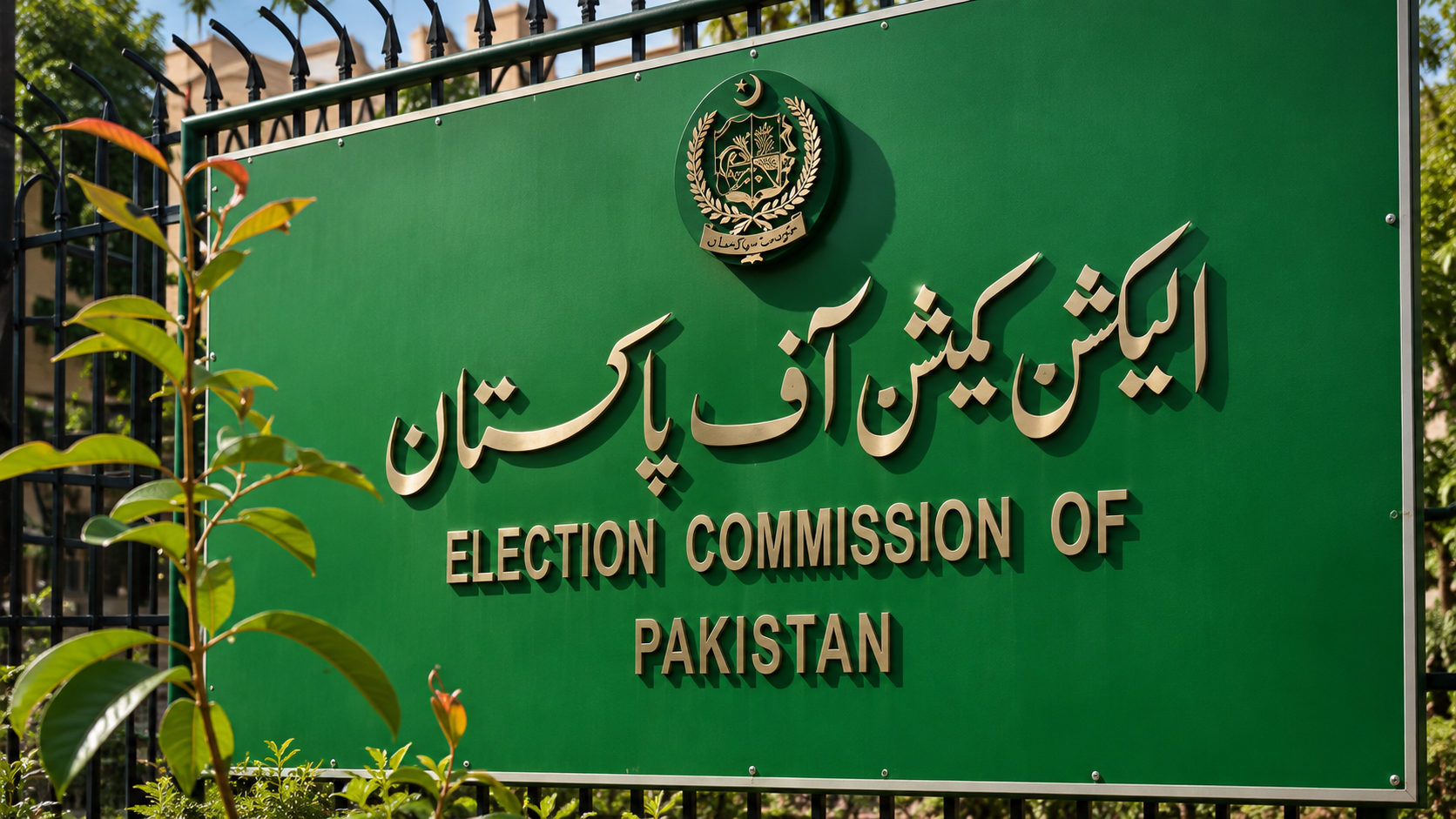
Islamabad: The Election Commission of Pakistan (ECP) on Friday said it had no legal authority to direct political parties to field women candidates in constituencies where they have a greater chance of winning elections.
The clarification came a day after a subcommittee of the National Assembly’s Special Committee on Gender Mainstreaming directed the commission to ensure that the five per cent quota for women on general seats translates into representation in elected bodies.
The ECP maintained that the distribution of election tickets was an internal matter for political parties and that existing electoral laws did not authorise the commission to determine which constituencies women should contest.
Under Section 206 of the Elections Act, 2017, political parties are required to award at least five per cent of their tickets for general seats to women candidates. The provision seeks to increase women’s participation in electoral politics beyond their representation through reserved seats.
However, the law does not specify whether these tickets must be allocated in constituencies where political parties have an established voter base or a greater likelihood of securing victory.
Concerns have been raised in Parliament and by civil society organisations that awarding tickets to women in constituencies where parties have limited electoral prospects undermines the purpose of the quota.
The ECP informed the parliamentary panel that any requirement concerning the allocation of winnable seats would necessitate an amendment to the Elections Act. Such legislation would need to establish criteria for determining the electoral prospects of constituencies and provide a mechanism for enforcement.
The committee also directed the commission to make arrangements to fill 563 vacant seats in local governments.
The ECP said it had issued election schedules on several occasions, but no women had submitted nomination papers for the seats. It maintained that elections could not proceed in the absence of candidates and expressed its readiness to conduct polls once nominations were received.
During the meeting, the committee also reviewed a briefing by the National Database and Registration Authority (Nadra), which reported that female registrations in 2026 were 5.57 per cent higher than male registrations.
However, Senator Qaim Khani raised concerns over women’s representation within Nadra’s management, where only 15 women held positions at the director level or above.
The committee’s deliberations highlight the distinction between meeting statutory requirements for women’s participation and ensuring their representation in elected institutions and decision-making positions.