Antalya: The United Nations COP31 climate conference concluded in Antalya, Türkiye, on Sunday, November 22, without an overarching agreement after nearly 200 countries failed to resolve disagreements over reducing dependence on fossil fuels and financing climate action.
Negotiations continued for two days beyond the scheduled November 20 conclusion as delegations attempted to reach a consensus on the proposed Antalya Pact.
The European Union, the United Kingdom and several developing countries rejected the draft agreement because it did not explicitly address the transition away from coal, oil and natural gas, which account for most greenhouse gas emissions responsible for global warming.
The disagreement centred on whether countries should commit to a roadmap for reducing fossil fuel use or retain flexibility over how they meet their climate targets.
Countries seeking commitments argued that the proposed agreement did not provide a basis for implementing decisions taken at earlier climate conferences. Others, including major fossil fuel producers, resisted language that could establish deadlines or obligations affecting their energy sectors.
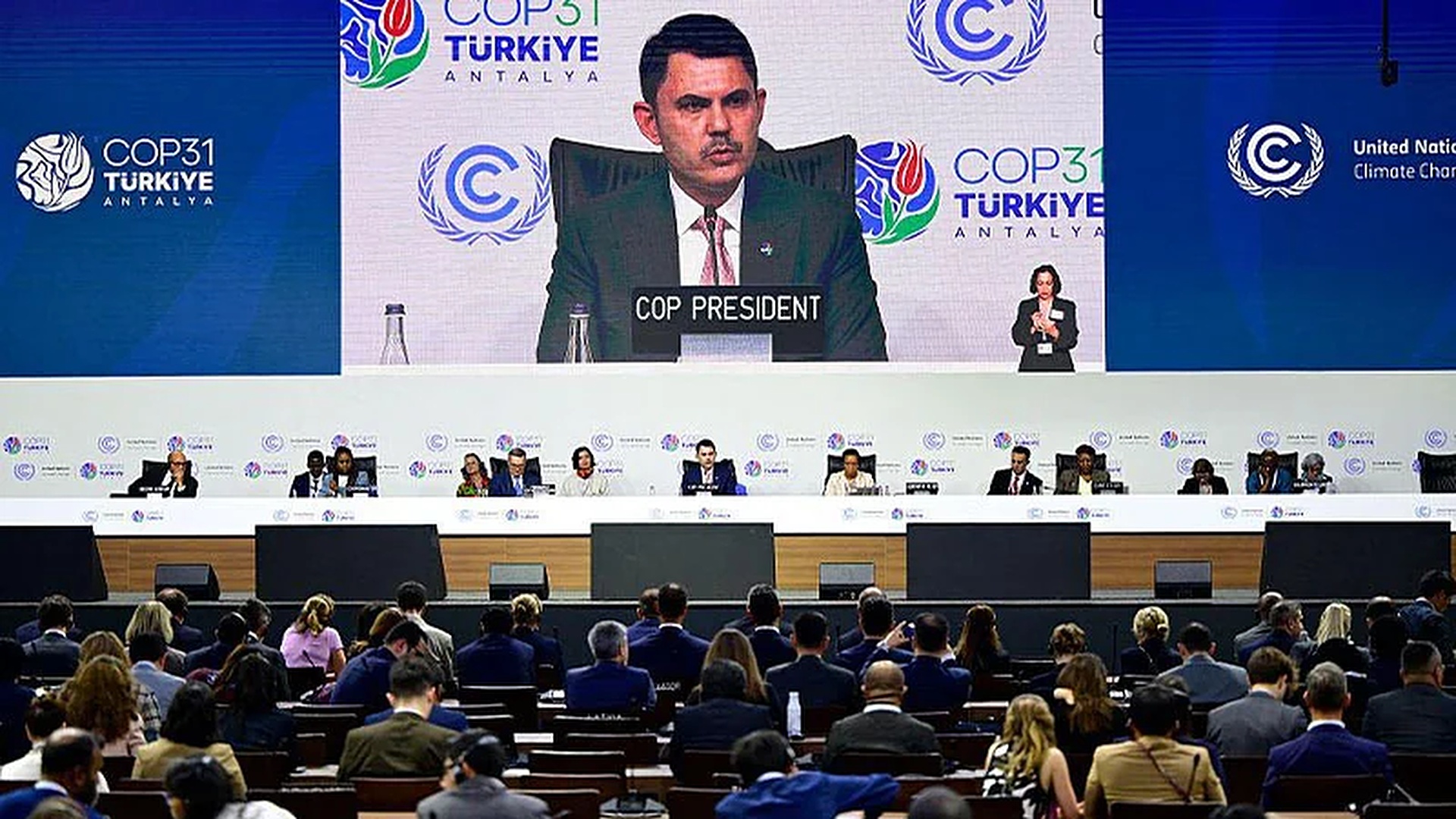
Ireland's climate minister Darragh O'Brien, speaking on behalf of the European Union, said the bloc would not endorse a deal that failed to mention fossil fuels. COP31 President Murat Kurum of Türkiye subsequently acknowledged that countries had not reached a consensus on the proposed document.
UN Secretary General António Guterres expressed disappointment over the outcome, warning that the failure to reach an agreement came as the effects of climate change continued to intensify. The conference, held from November 9 to 22, brought together governments under the United Nations Framework Convention on Climate Change (UNFCCC).
The talks were intended to advance implementation of the 2015 Paris Agreement, under which countries committed to limiting the rise in global temperatures to well below 2°C and pursuing efforts to restrict it to 1.5°C above pre-industrial levels.
At COP28 in Dubai in 2023, countries agreed for the first time to transition away from fossil fuels in energy systems. However, subsequent negotiations have struggled to establish a timetable and measures for implementing that commitment.
The absence of a roadmap at COP31 leaves the issue unresolved ahead of the next conference. Climate finance was another point of disagreement.
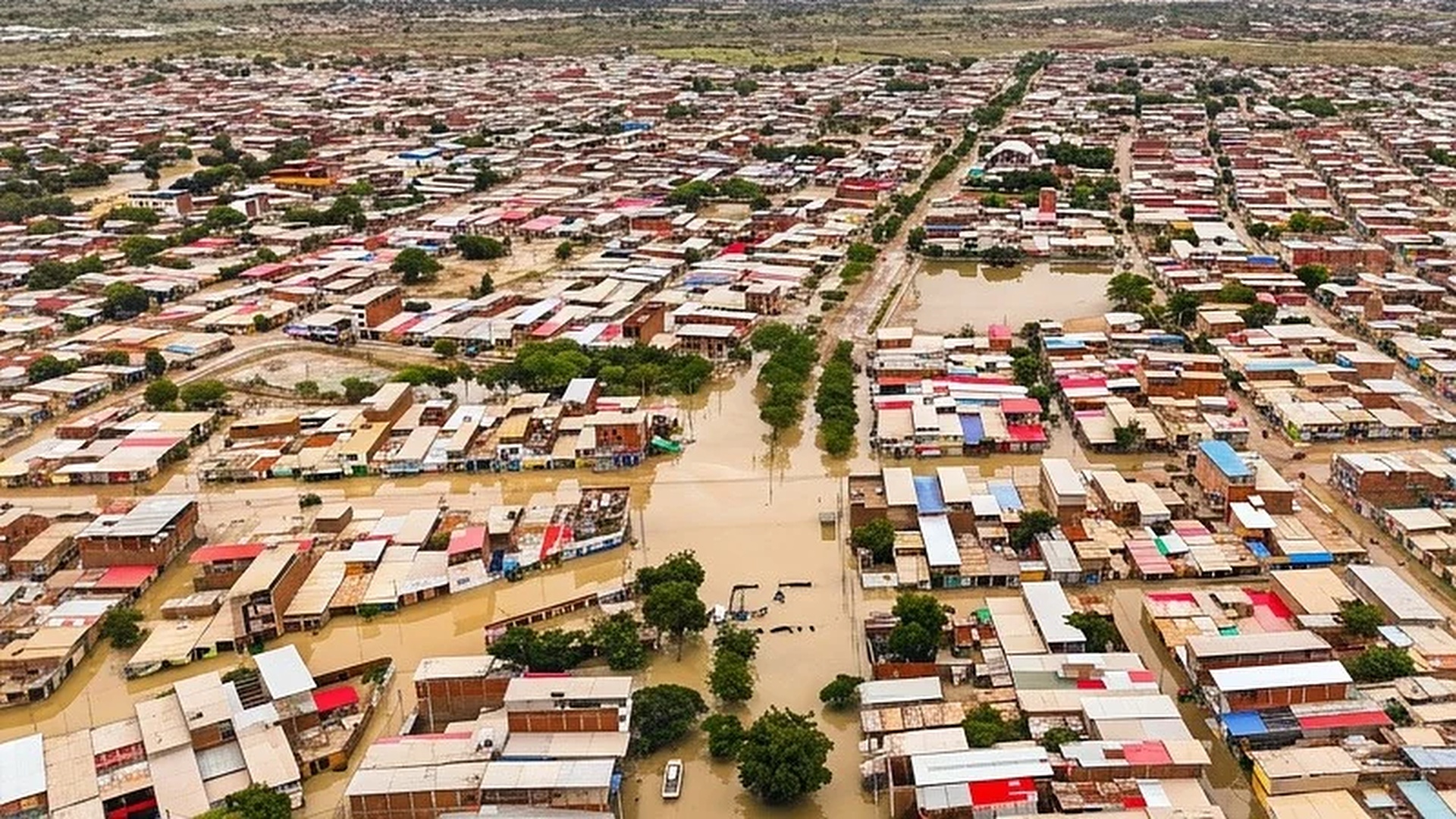
Developing countries have repeatedly called for increased funding from industrialised economies to help them adapt to floods, droughts, rising temperatures and other consequences of climate change.
Discussions in Antalya included proposals concerning adaptation finance and the expansion of electricity use as an alternative to fossil fuels. Although governments failed to approve an overarching political agreement, negotiations produced progress on some technical matters and voluntary commitments.
A proposal to increase electricity's share of global final energy consumption to 35 per cent by 2035 also received support from participating countries.
The failure to agree on the Antalya Pact does not invalidate existing commitments under the Paris Agreement, but it means governments leave the conference without a collective political decision setting out the next steps on fossil fuels.
Pakistan was among the countries represented at COP31, with Prime Minister Shehbaz Sharif attending the leaders' summit earlier in November. Addressing the gathering, Sharif called for grant-based climate financing and increased support for countries facing the effects of climate change despite contributing relatively little to global emissions.
He referred to Pakistan's experience of flooding, including the 2022 floods that caused deaths, displacement and damage to infrastructure. Pakistan has sought international assistance to strengthen climate adaptation, improve disaster preparedness and finance recovery from climate-related losses.
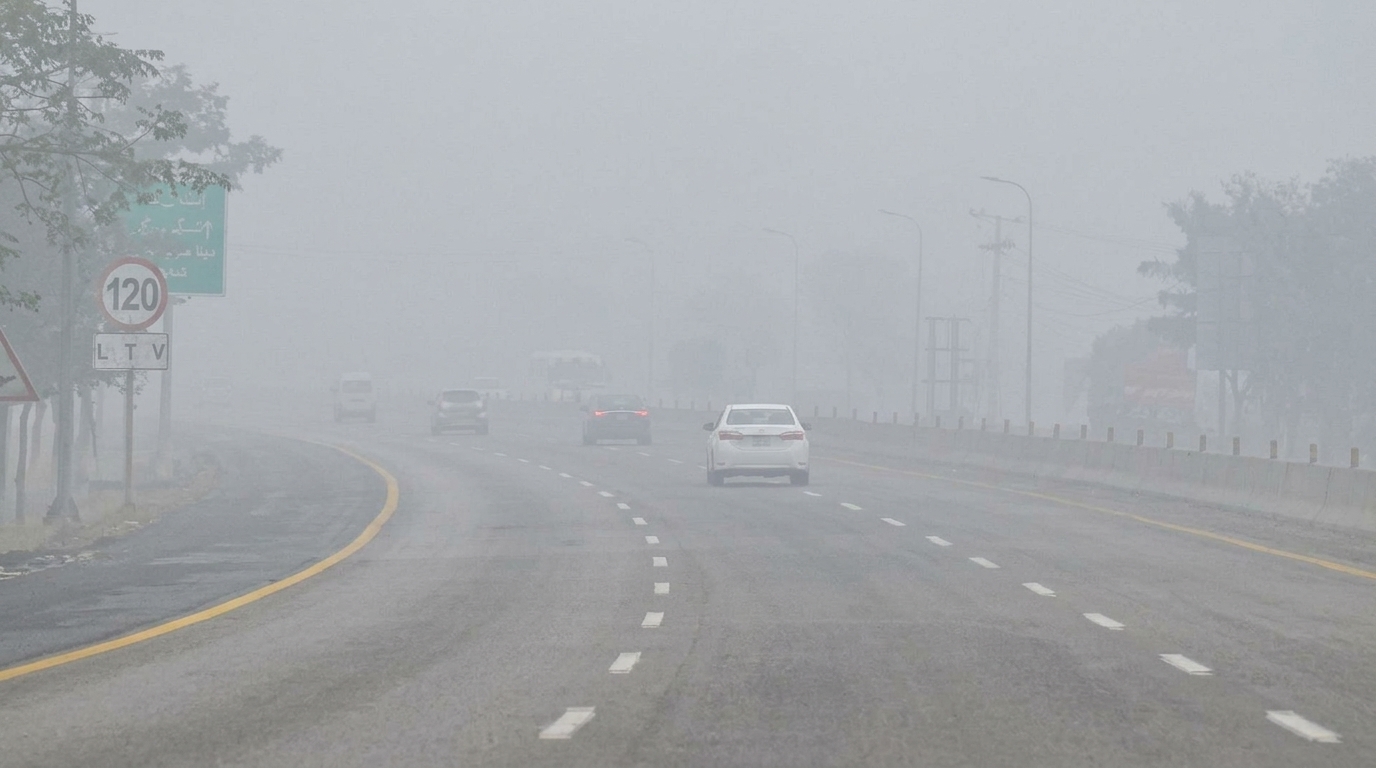
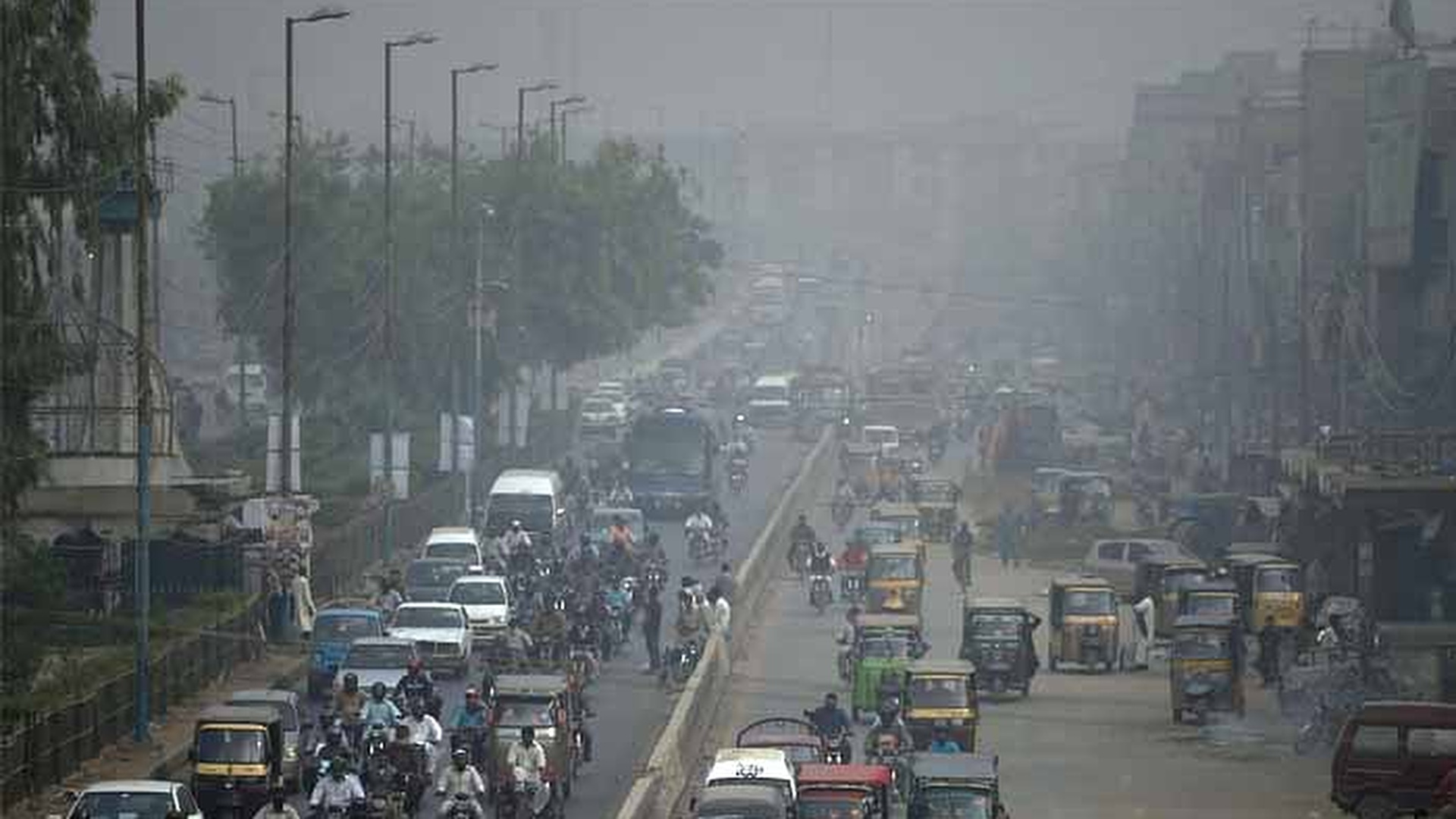
For countries such as Pakistan, the outcome of COP31 raises concerns about the availability of funding and the pace of international action to reduce emissions. The breakdown of negotiations also reflects differences between economies that depend on fossil fuel production and countries seeking a faster transition towards other energy sources.
Scientists have warned that continued greenhouse gas emissions increase the likelihood of exceeding the Paris Agreement's temperature targets, with consequences for agriculture, water supplies, public health and infrastructure.
The next UN climate conference, COP32, is scheduled to take place in Addis Ababa, Ethiopia, in November 2027. Governments will therefore enter another year of negotiations without an agreed COP31 roadmap for reducing fossil fuel use.
The outcome leaves countries responsible for implementing their existing climate commitments while negotiations continue over how to strengthen collective action and finance the transition.