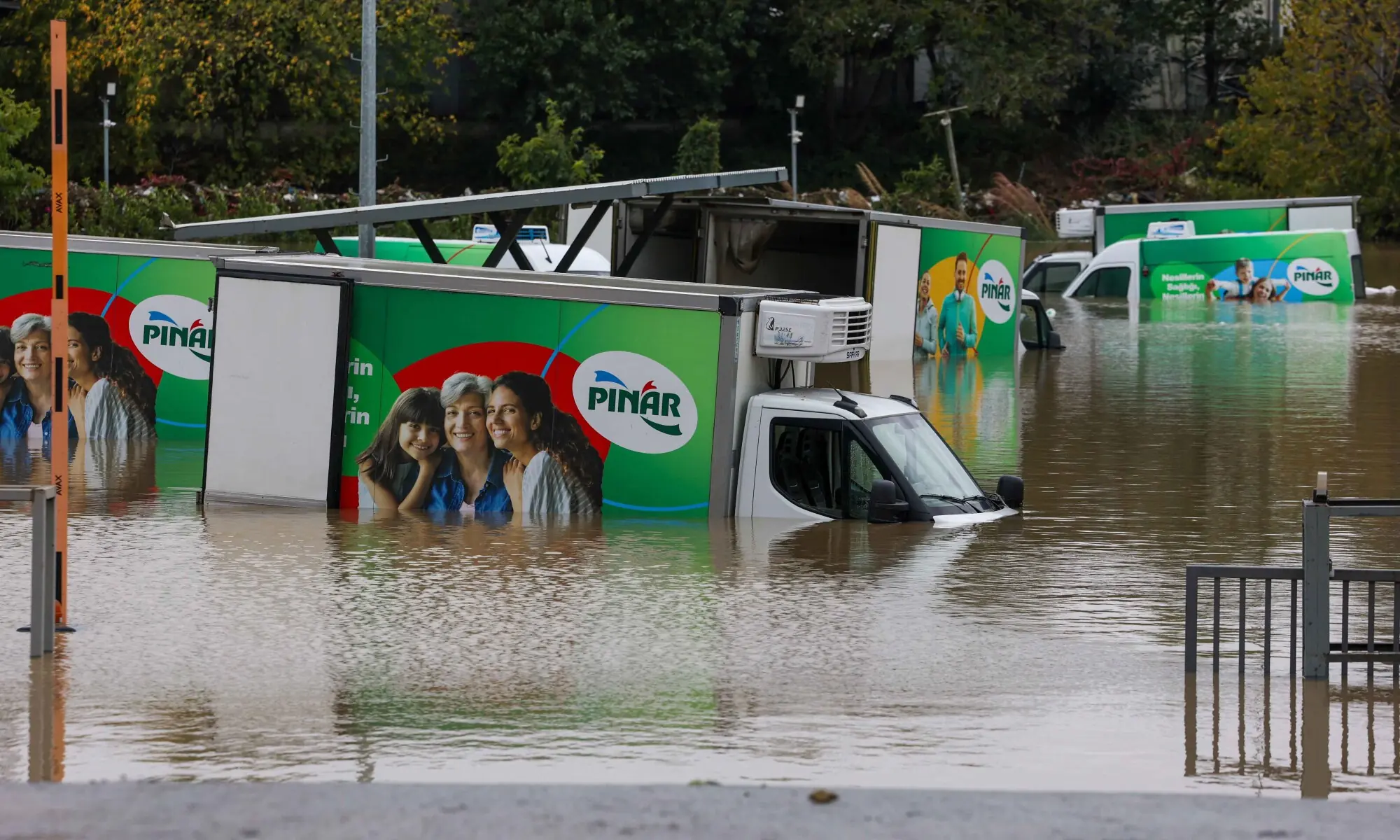
Santiago: Authorities are investigating flooding in Santiago’s Las Condes district after at least six people were injured and more than 2000 homes were damaged, including 55 declared uninhabitable, according to reporting published on October 9.
Prosecutors are examining whether drainage problems or shortcomings in preventive measures contributed to the destruction.
Floodwaters and mud swept vehicles through streets on October 8, forcing residents to evacuate. Firefighters reported rescuing or evacuating more than 1000 people. No deaths were reported in the initial official account.
President José Antonio Kast declared an emergency in Las Condes. Mayor Catalina San Martín said 144 millimetres of rain had fallen over recent days, approximately nine times the usual October rainfall. Ten other districts were placed on high alert, while earlier storms left nearly 12000 electricity customers without power.
The investigation will examine channels, waterways and preventive measures. Officials and experts have also pointed to vegetation lost in an earlier wildfire, which left hillsides exposed to erosion.
Flooding is a recurring hazard in Chile. Heavy rain in June 2024 damaged thousands of homes and caused a mining waste facility to overflow, threatening nearby water supplies.
The latest floods occurred as El Niño strengthened. The weather pattern changes rainfall distribution, but its presence alone does not establish the cause of this particular disaster.
Climate change provides a broader risk context. The IPCC says warmer air can hold approximately seven per cent more moisture for each degree Celsius of warming, increasing the potential intensity of heavy rainfall. Establishing how much warming contributed to the Santiago floods would require an event specific attribution study.