

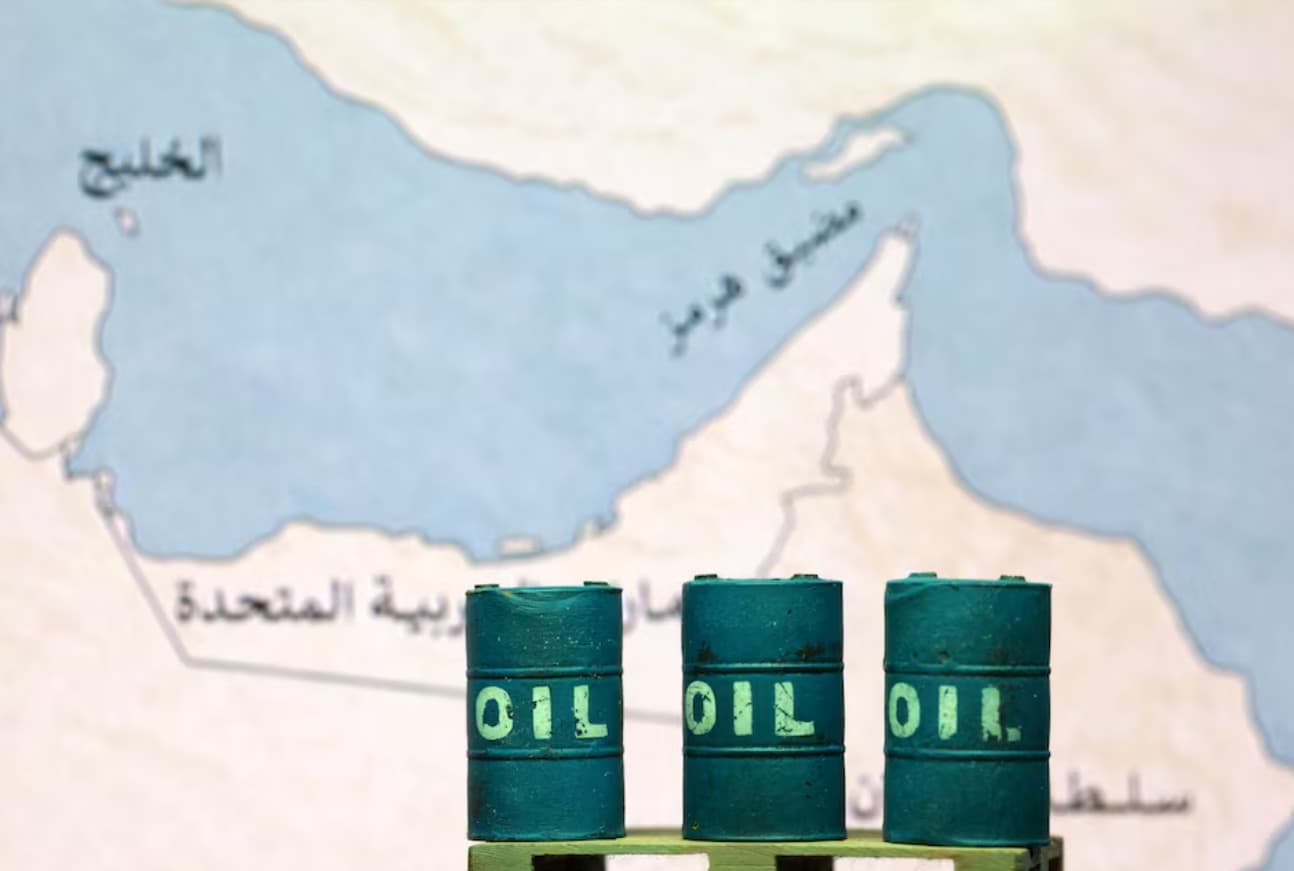
Webdesk: Brent crude has crossed USD 100 a barrel as escalating Middle East fighting raises fresh concerns about oil supplies and shipping routes.
Brent futures rose USD 2.15, or 2.2%, to USD 100.07 a barrel by 0721 GMT on Wednesday, while United States (US) West Texas Intermediate crude climbed 1.83 percent to USD 94.73. It was the first time Brent had moved above USD 100 since July 24.
Oil prices have risen sharply as the six month US Iran conflict shows little sign of a lasting resolution. Brent has gained around a quarter since the beginning of August as investors assess the risk of further disruption to energy supplies.
The latest pressure came after attacks by Iran aligned Houthi forces on Saudi energy facilities this week. The attacks set some oil installations on fire and raised concerns that crude shipments through the Red Sea could also be affected.
The Red Sea has become particularly important because oil flows through the Strait of Hormuz have already fallen sharply since the conflict began. Rystad Energy estimated that eight to nine million barrels per day passed through Hormuz in the week before fighting resumed on August 30. More recently, flows have fallen below two million barrels per day.
The disruption is being closely watched because Hormuz is one of the world's most important energy routes. Any prolonged reduction in shipments could put further pressure on fuel prices and add to inflation concerns in oil importing economies.
Several major banks, including Goldman Sachs, Bank of America and The Hongkong and Shanghai Banking Corporation (HSBC), have raised their oil price forecasts in recent days as supply risks increase. At the same time, oil producers including the US, Canada and Guyana have increased output.
The International Energy Agency expects global oil supply to fall by about 4.3 million barrels per day this year, or roughly 4 percent, according to Reuters.
For consumers, the significance of the USD 100 mark goes beyond a symbolic price level. If supply disruptions persist, higher crude prices could feed into petrol, diesel, transport and food costs, increasing inflationary pressure well beyond the region.