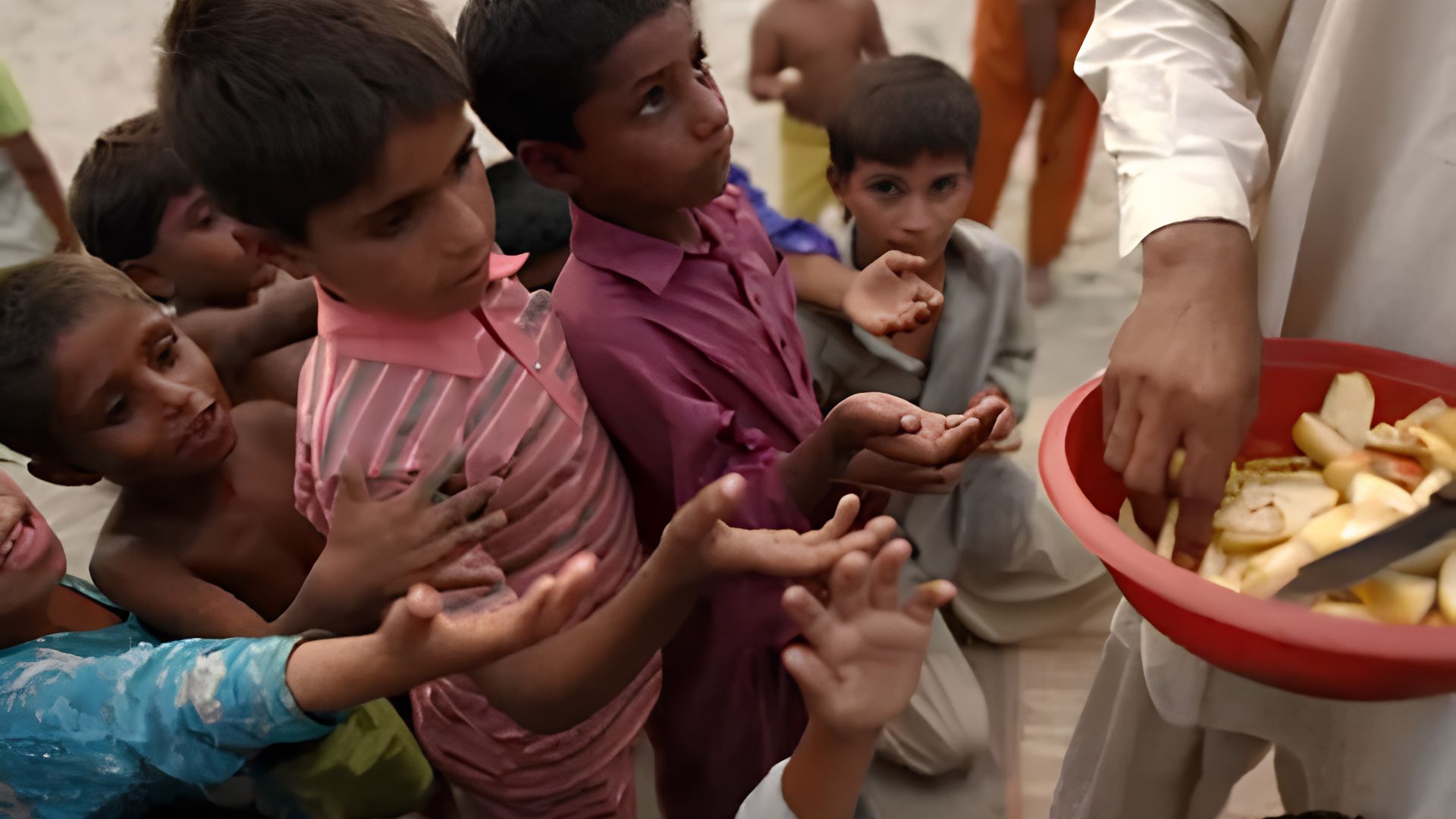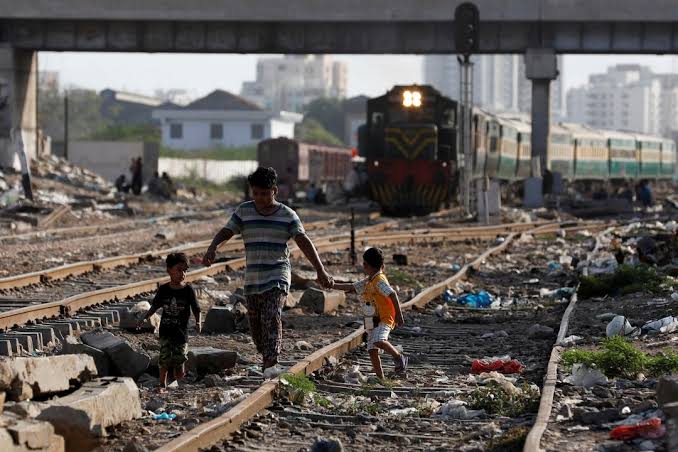
Washington: More than one in three Pakistanis face multidimensional poverty, experiencing overlapping disadvantages in health, education and living standards, according to United Nations Development Programme (UNDP) figures.
The Multidimensional Poverty Index released on Monday put Pakistan’s rate at 38.3 percent, compared with 16.4 percent in India and 14.9 percent in Bangladesh. However, the estimates draw on household surveys conducted in different years and do not represent a comparison of conditions at the same point in time.
Another 12.9 percent of Pakistan’s population was classified as vulnerable to multidimensional poverty.
The intensity of deprivation among Pakistanis classified as poor stood at 51.7 percent. This measures the average share of weighted disadvantages experienced by those identified as multidimensionally poor.
The index measures deprivation beyond income, covering nutrition, child mortality, schooling, sanitation, drinking water, electricity, housing and household assets.
Globally, the report put the number of people experiencing multidimensional poverty at 1.2 billion, an increase of 51.5 million from the previous update. It said the total had risen for the first time in 15 years.
Children accounted for more than half of those affected, with 617 million living in multidimensional poverty. Rural areas were home to 83 percent of the total.
South Asia’s multidimensional poverty rate stood at approximately 19.3 percent, while another 18.4 percent of its population was vulnerable.
The region accounted for at least one third of global deprivations in nutrition, housing and years of schooling. It also had 150 million poor people living in households where a child of school age was not attending school.
UNDP Administrator Alexander De Croo said the findings should prompt global action to address overlapping hardships, including hunger, missed schooling and inadequate access to water and electricity.