
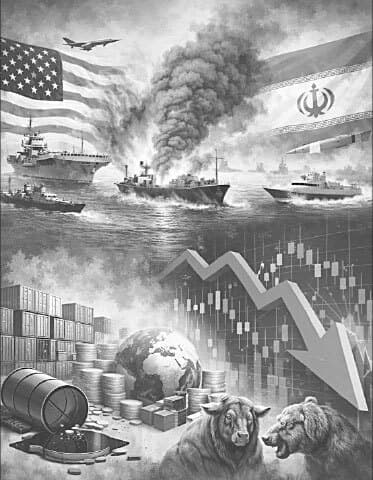
Washington: The extensive use of advanced US weaponry in the war against Iran has severely depleted US military stockpiles, limiting Washington’s ability to respond to potential threats from China and Russia, according to reports by The Wall Street Journal.
US military planners have warned that shortages of key munitions have forced US European Command, which oversees American military operations across Europe, to adjust its operational plans.
US officials assessed that Washington would be unable to fully implement contingency plans to defend Taiwan during a short-term military operation. China claims sovereignty over the self-governing island.
The strain on US weapons stocks has been compounded by the redeployment of air defence units from Japan, South Korea and Germany to the Middle East. Officials said the moves had created “soft spots” in the US global military posture that could take years to replenish.
Inventories in Europe of PAC-3 Patriot interceptors and ATACMS surface-to-surface missiles are reportedly at “beyond critical” levels. THAAD anti-missile interceptors and counter-drone systems have also been redirected to the Middle East.
The reduced availability of interceptors has limited the ability of US allies to provide additional air defence supplies to Ukraine as Russian missile attacks continue.
The White House and Pentagon have rejected claims that the US is facing a shortage of munitions. The Trump administration has maintained that the military has sufficient resources to meet President Donald Trump’s objectives.
Meanwhile, the conflict has disrupted commercial shipping in the Gulf, with up to 400 vessels carrying about 6,000 seafarers unable to leave safely, according to the International Maritime Organisation (IMO).
IMO Secretary-General Arsenio Dominguez said the situation in the Strait of Hormuz remained unresolved. The strategic waterway carries about one-fifth of global oil trade.
The IMO has verified at least 70 attacks on international shipping since the conflict began on February 28, with 19 seafarers killed.
Dominguez warned that disruption to fuel and fertiliser supply chains could have serious consequences for economies and communities worldwide. He called on governments and the shipping industry to renew efforts to restore freedom of navigation through the Strait of Hormuz.
The United States and Iran signed a memorandum of understanding in June and began negotiations on a final agreement, but talks later stalled over disagreements on security guarantees and freedom of navigation through the waterway.