Islamabad: A Senate committee summoned federal and provincial health officials on Monday, November 16, after lawmakers raised concerns about counterfeit medicines and vaccines circulating in rural areas. The panel questioned enforcement by the Drug Regulatory Authority of Pakistan (DRAP) and asked officials to explain how they were addressing gaps in oversight.
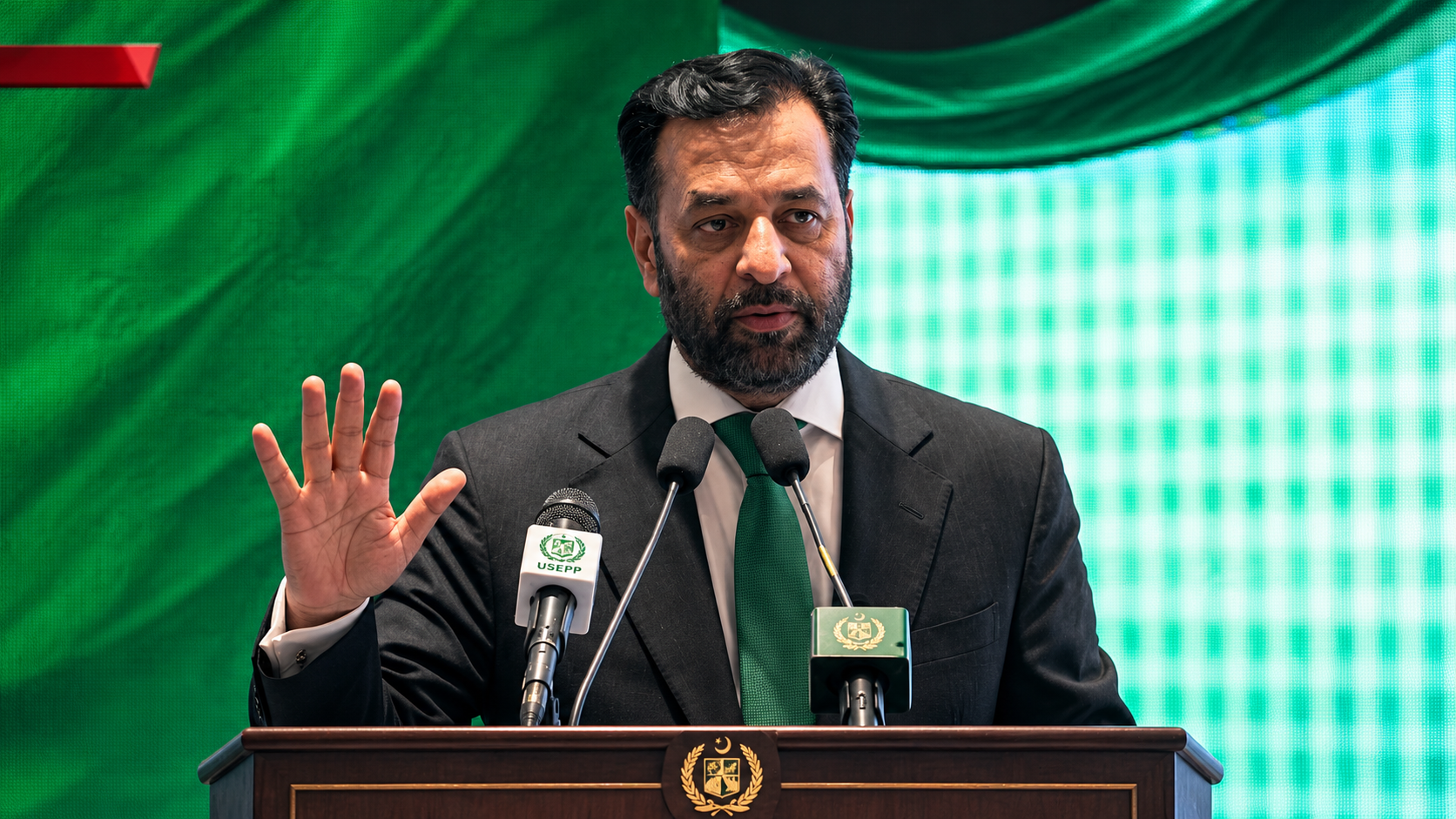
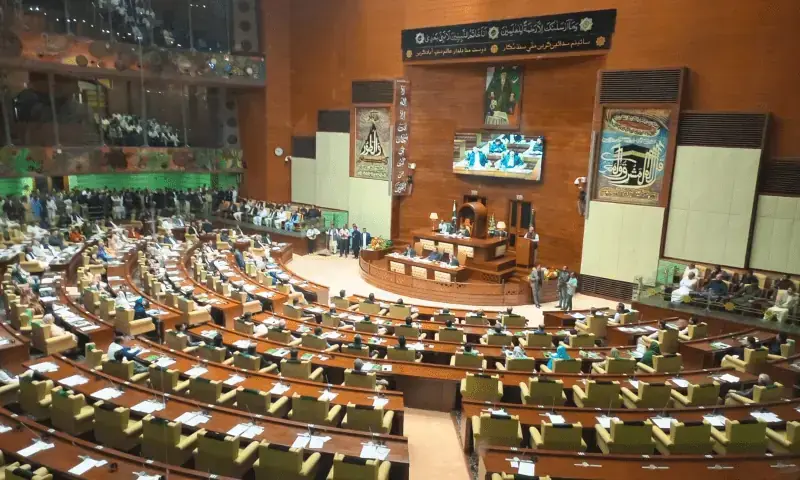
Senator Niaz Ahmed chaired the meeting of the Senate Functional Committee on Problems of Less Developed Areas at Parliament Lodges in Islamabad. The panel called for representatives of DRAP, the Federal Directorate of Immunisation (FDI) and provincial health departments to attend a follow up hearing. It also asked officials to address pay for immunisation staff working in remote parts of Khyber Pakhtunkhwa and Balochistan.
How the barcode rules work
Health ministry officials told senators that a two dimensional (2D) barcode system would let consumers use mobile phones to check whether medicines are authentic. They said the prime minister would formally launch the system but did not give a date.
A DRAP circular says manufacturers and importers must put a barcode and a unique serial number on finished medicines produced on or after October 9. Packs made before that date can still be sold until stocks run out, so the absence of a barcode on its own does not establish that a medicine is counterfeit. The regulator has directed inspectors to check whether batch numbers, expiry dates and serial numbers on packs match the records in its tracking system.
The FDI told the committee that Pakistan’s Expanded Programme on Immunisation (EPI), established in 1978, aims to reach 7.3 million children a year and covers 13 diseases that vaccines can prevent. Ministry officials said the National Vaccine Policy was awaiting cabinet approval and that talks with Russian companies on manufacturing insulin and vaccines were continuing.
Pakistan and Afghanistan are the only countries where wild poliovirus remains endemic. In a statement issued on November 13, the World Health Organization (WHO) reported that transmission continued in parts of southern Khyber Pakhtunkhwa, Karachi and southern Afghanistan. It called for the two countries to maintain co ordination on vaccination and surveillance, particularly along the border.