

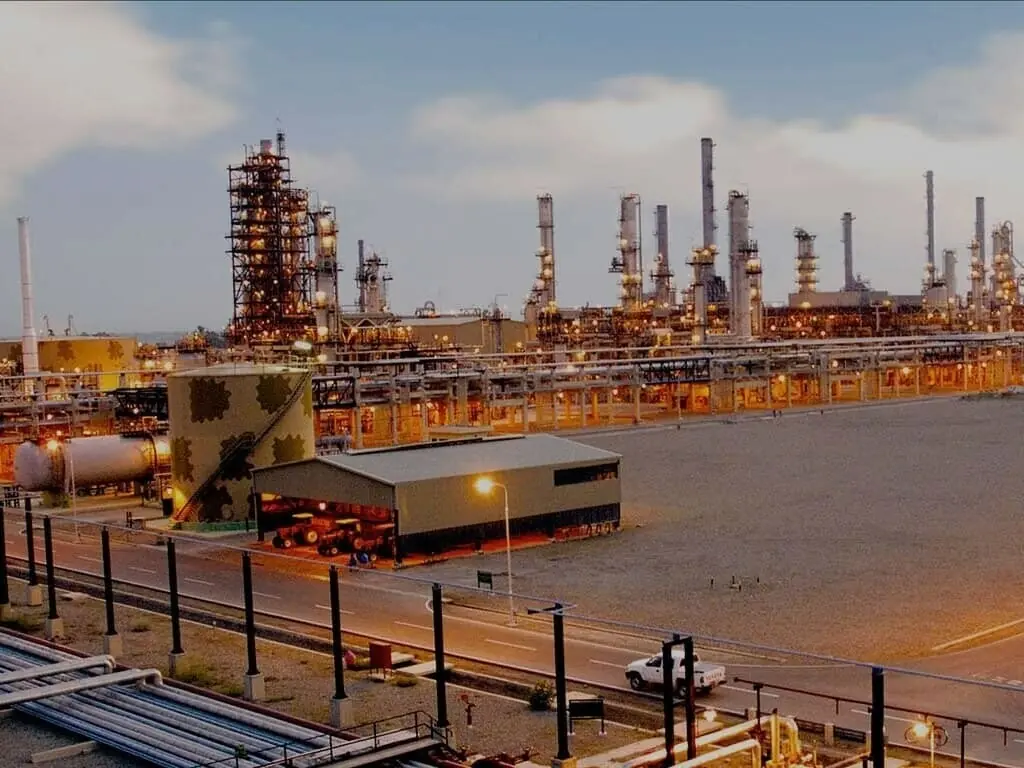
Islamabad: The federal cabinet has sidelined the Oil and Gas Regulatory Authority (OGRA) in USD6 billion worth of plant upgrade projects of oil refineries and has decided, under an amended policy, that the refineries will sign agreements with the Ministry of Energy (Petroleum Division) within 45 days instead of 60 days.
It has also decided that the incremental incentive will be deposited in the refinery upgrade accounts maintained by the Ministry of Energy (Petroleum Division), instead of the escrow account of Ogra.
In a recent meeting, the cabinet was informed that the modernisation of refineries was expected to result in annual foreign exchange savings of approximately USD 1 billion.
During discussions, the Petroleum Division apprised the forum that the main objectives of the amended oil refining policy were reduction in furnace oil (surplus fuel) production, enhancement of petrol and diesel production capacity and minimisation of lower-value products.
It was highlighted that the amended policy would also help attract much-needed foreign investment to Pakistan's refinery sector as Saudi Arabia had already shown keen interest in capital injection.
Petroleum Division clarified that the amendments directed by the Cabinet Committee on Energy (CCOE) during its meeting held on July 28, 2026 had been incorporated into the final draft of the amended "Pakistan Oil Refining Policy for Upgradation of Existing/Brownfield Refineries, 2023". It pointed out that the role of an independent third-party consultant had been further elaborated to ensure that independent certification was available and checks built in to ensure that any defaulting refinery or any refinery lagging behind in physical progress on the upgrade agreement, shall not be able to avail of any incentive until the correction of course.
Pakistan's existing refineries have for years sought a policy framework that could enable them to undertake multibillion-dollar modernisation projects. The proposed investments are aimed at improving refinery configurations, producing cleaner fuels and reducing reliance on outdated processing technologies. The brownfield policy was originally introduced in 2023 but subsequently underwent amendments as the government and industry worked to address implementation and commercial issues.