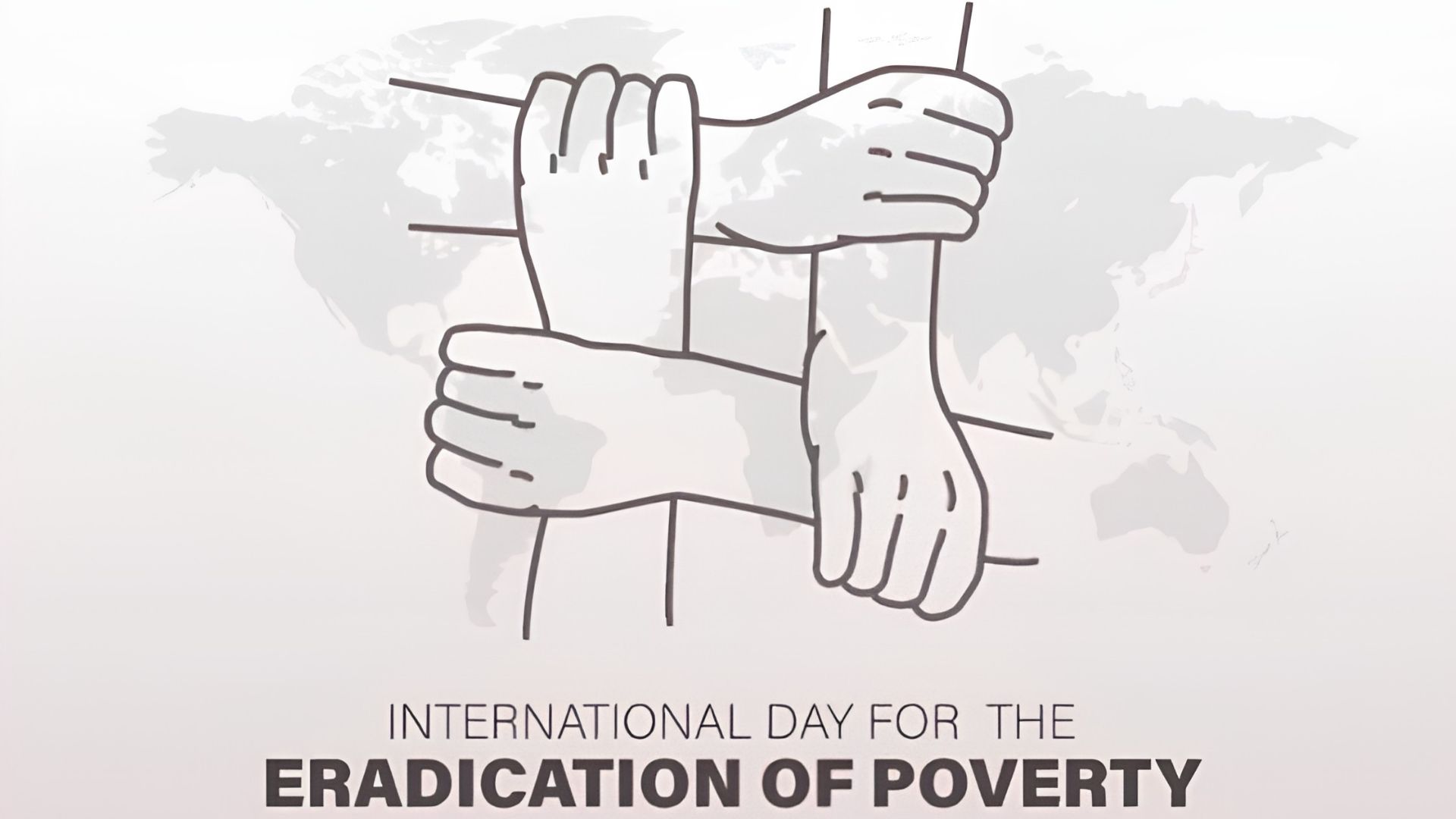
On the International Day for the Eradication of Poverty, the world's development commitments confront an uncomfortable reality: economic progress has not guaranteed security, opportunity or dignity for millions.
For millions of people, poverty is not an abstract economic indicator. It is the decision between buying medicine and putting food on the table, a child leaving school to support the family, or a household losing everything to a flood with no resources to rebuild. It is the persistent uncertainty of whether tomorrow will bring relief or another crisis.
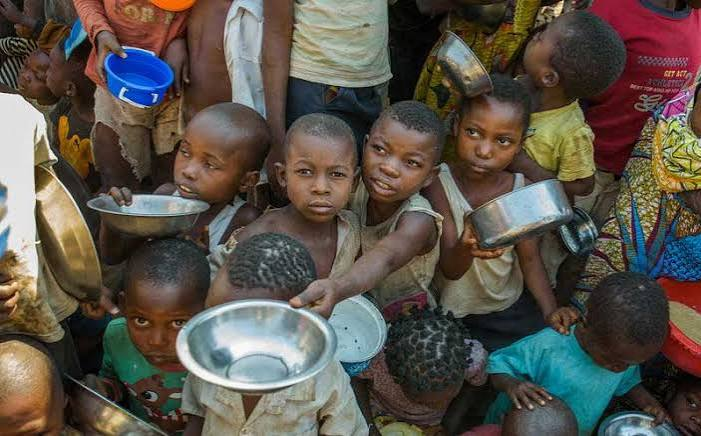
Yet poverty is frequently discussed through statistics, economic growth projections and development targets, often overlooking the structural conditions that determine why some communities remain deprived despite decades of economic progress.
As the world observes the International Day for the Eradication of Poverty on October 17, the central question is no longer simply how many people live below the poverty line, but why economic advancement continues to coexist with such profound inequalities.
A global crisis beyond income
According to the UN, approximately 826 million people, representing around 10 percent of the global population, are expected to live in extreme poverty in 2026.
The World Bank defines extreme poverty as living on less than three USD per person per day, measured in 2021 purchasing power parity, which adjusts for differences in prices between countries.
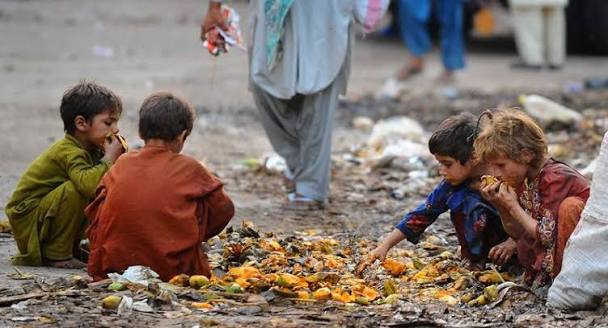
Although global poverty has declined substantially since 1990, progress has slowed, with conflict, economic instability and weak governance threatening earlier achievements.
Poverty, however, extends far beyond insufficient earnings. A family may earn enough to remain marginally above an official poverty threshold while lacking clean drinking water, adequate sanitation, reliable electricity, healthcare or access to quality education.
This distinction is particularly important because poverty is both a condition of deprivation and a mechanism through which deprivation reproduces itself.
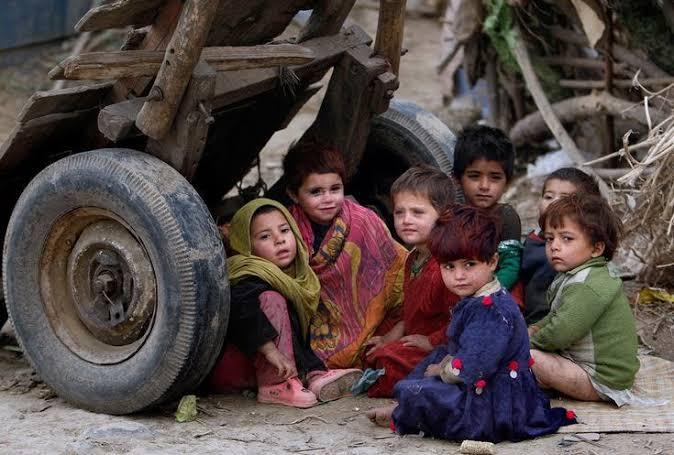
Children growing up in underprivileged households are more likely to encounter nutritional deficiencies, educational disadvantages and limited employment opportunities. These inequalities accumulate over time, making poverty increasingly difficult to escape.
When conflict and climate deepen deprivation
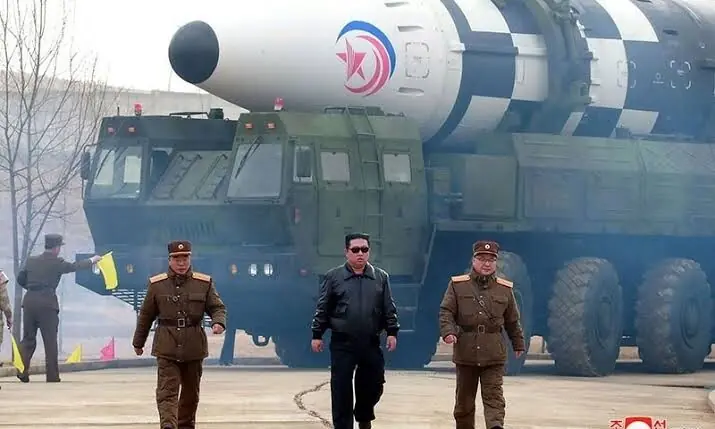
The contemporary poverty crisis cannot be separated from the international security environment.
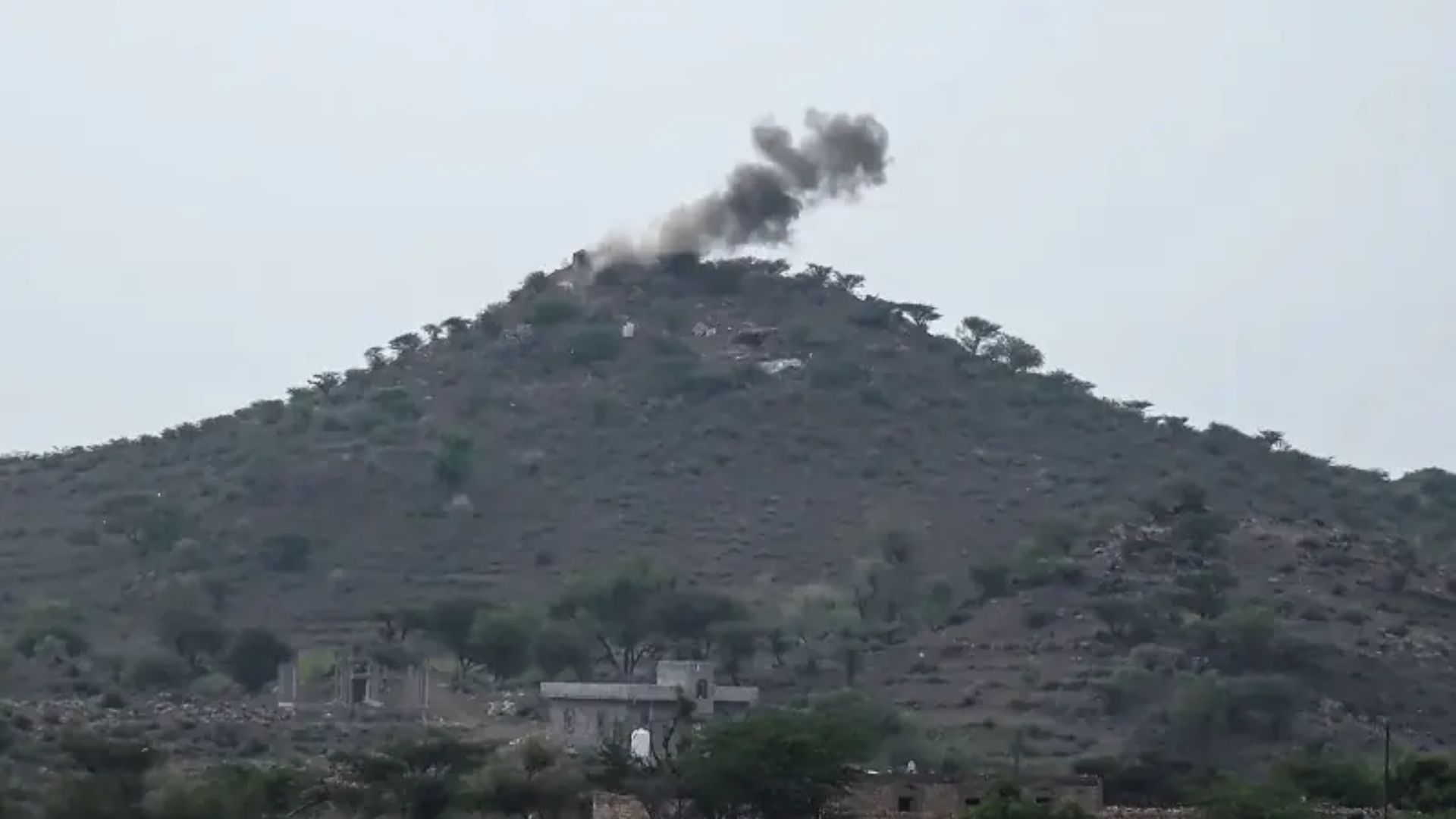
Armed conflicts destroy infrastructure, interrupt livelihoods, displace communities and weaken the institutions responsible for providing essential services.
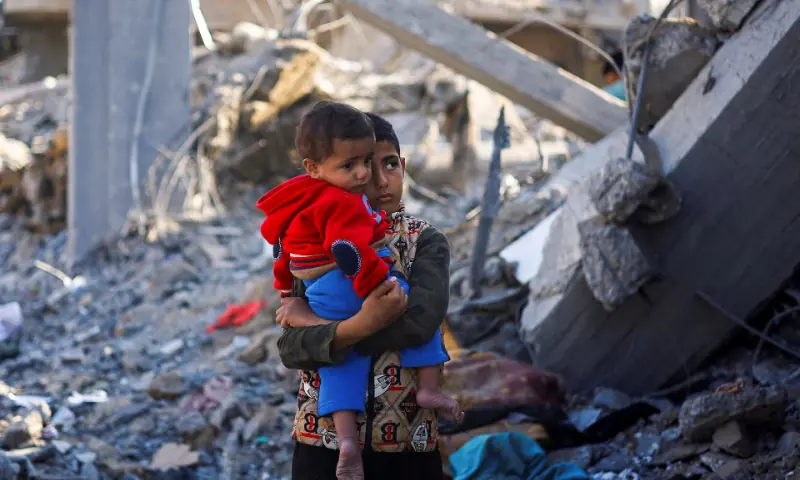
From Gaza and Sudan to other conflict affected regions, civilian populations face overlapping crises involving food insecurity, displacement and the collapse of economic opportunities.
Even when hostilities subside, the destruction of housing, schools, hospitals and productive infrastructure can prolong deprivation for generations.
Climate change introduces another dimension to this vulnerability.
Floods, droughts, extreme temperatures and changing agricultural patterns disproportionately affect communities with the fewest resources to adapt. For subsistence farmers, informal workers and coastal populations, a single climate disaster can eliminate years of accumulated economic security.
These crises demonstrate why poverty cannot be addressed independently of climate resilience, peacebuilding and effective governance.
Pakistan's struggle with structural poverty
Pakistan offers a particularly revealing example of how economic vulnerability, governance challenges and environmental shocks intersect.
The World Bank's 2025 Poverty, Equity and Resilience Assessment documented a substantial decline in Pakistan's national poverty rate, from 64.3 percent in 2001–02 to 21.9 percent in 2018–19. However, the trend began reversing in 2020 amid the pandemic, inflation, floods and macroeconomic pressures.
The reversal raises important questions about the sustainability of earlier progress.
Pakistan's poverty challenge is not simply the consequence of insufficient economic growth. It also reflects unequal access to productive opportunities, disparities between rural and urban communities, weaknesses in public service delivery and limited protection against economic shocks.
For agricultural households, fluctuating incomes and climate related losses threaten financial stability. In urban areas, rising living costs and insecure employment can push working families into deprivation despite their continued participation in the economy.
Women face additional constraints arising from unequal access to employment, property ownership, financial services and unpaid care responsibilities. Meanwhile, children from disadvantaged households frequently encounter barriers to education and healthcare that reinforce inequalities across generations.
The consequences extend beyond individual households. Persistent poverty restricts human capital development, weakens productivity and undermines social cohesion, ultimately limiting national economic potential.
The right to a safe home
The 2026 observance carries particular significance under the UN's three year theme, United for Peace and Human Rights, with this year's focus on Safe Homes for All.
According to the UN, more than 2.8 billion people worldwide experience some form of inadequate housing.
Housing insecurity is not merely a matter of physical shelter. Overcrowding, unsafe construction, unaffordable accommodation and insecure tenure can affect education, health, employment and personal safety.
For Pakistan, where recurring floods, informal settlements and uneven urban development expose vulnerable communities to serious risks, adequate housing must be understood as an essential component of poverty reduction rather than a separate infrastructure concern.
A secure home provides the foundation from which families can pursue education, maintain employment, protect their health and build financial stability.
Without that foundation, even modest economic shocks can trigger prolonged hardship.
Why economic growth alone is insufficient
Economic growth remains essential for generating employment, expanding public revenues and improving living standards. However, growth does not automatically translate into equitable development.
Its impact depends on how opportunities are distributed, whether employment provides adequate earnings and whether public institutions ensure access to essential services.
Similarly, social assistance programmes can protect vulnerable households against immediate hardship, but they cannot independently resolve the structural causes of poverty.
Sustainable poverty reduction requires coordinated investment in education, healthcare, affordable housing, climate adaptation and productive employment. It also demands stronger institutions, transparent public spending, progressive fiscal policies and social protection systems capable of responding to crises.
Equally important is the participation of people experiencing poverty in decisions affecting their lives. Policies designed without understanding their circumstances risk addressing administrative targets rather than actual needs.
The international dimension cannot be ignored either. Debt pressures, unequal access to development financing and the economic consequences of conflict restrict the ability of developing countries to invest in long term poverty reduction.
Addressing these constraints requires meaningful international cooperation alongside domestic reform.
Beyond promises, towards dignity
The International Day for the Eradication of Poverty traces its origins to October 17, 1987, when more than 100000 people gathered in Paris to honour victims of extreme poverty, violence and hunger. The UN formally recognised the observance in 1992.
Nearly four decades after that gathering, the underlying demand remains relevant: poverty must be recognised not merely as an economic problem, but as a question of human dignity and rights.
The persistence of deprivation in a world possessing unprecedented technological capabilities, productive capacity and financial resources reflects not only limitations of development, but also the priorities guiding political and economic decision making.
Eradicating poverty will require more than commemorative declarations or ambitious numerical targets. It demands sustained political commitment to dismantling the conditions that deny people access to security, opportunity and a dignified existence.
Ultimately, the measure of development should not be confined to how much wealth an economy produces, but should also consider how effectively that prosperity protects its most vulnerable citizens.
A society cannot meaningfully claim progress while millions remain one illness, one lost livelihood or one natural disaster away from destitution.