

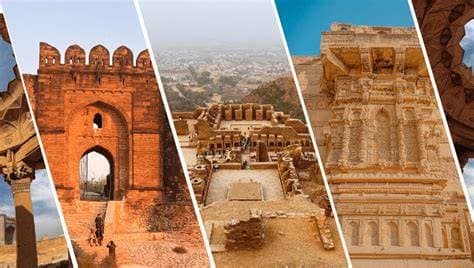
Islamabad: Pakistan has expanded its UNESCO World Heritage tentative list from 25 to 37 properties with the addition of 12 cultural and historical sites, according to the Ministry of National Heritage and Culture Division. The new entries include the Archaeological Complex of Gor Khatri, Bazira Barikot, Bhamala Buddhist Complex, Sethi House, Mai Qamro Mosque, Pharwala Fort, Rawat Fort, Tomb of Sultan Muqarrab Khan, Kot Diji Fort, Naukot Fort, Umerkot Fort and the Kalasha Valley Cultural Landscape.
According to UNESCO records, the Kalasha Valley Cultural Landscape was added on March 9, 2026, while Kot Diji, Naukot and Umerkot forts were included on March 18. The remaining sites were added on May 11. Five of the newly listed properties are located in Khyber Pakhtunkhwa, including Gor Khatri, Bazira Barikot, the Bhamala Buddhist Complex and the Kalasha Valley Cultural Landscape.
The newly added sites represent different periods and traditions of Pakistan’s history, including Gandharan Buddhist heritage, ancient settlements, Islamic architecture, historic forts and indigenous cultural traditions. Pakistan currently has six properties inscribed on UNESCO’s World Heritage List: Mohenjo Daro, Taxila, the Buddhist Ruins of Takht i Bahi and neighbouring city remains at Sahr i Bahlol, Lahore Fort and Shalimar Gardens, the Historical Monuments at Makli, and Rohtas Fort.
The inclusion of a property on the tentative list does not grant it World Heritage status. It is a preliminary step towards possible future nomination to UNESCO’s World Heritage List. Meanwhile, preliminary assessment requests have been submitted to UNESCO for the Archaeological Site of Ranigat in KP and the Port of Banbhore in Sindh.