

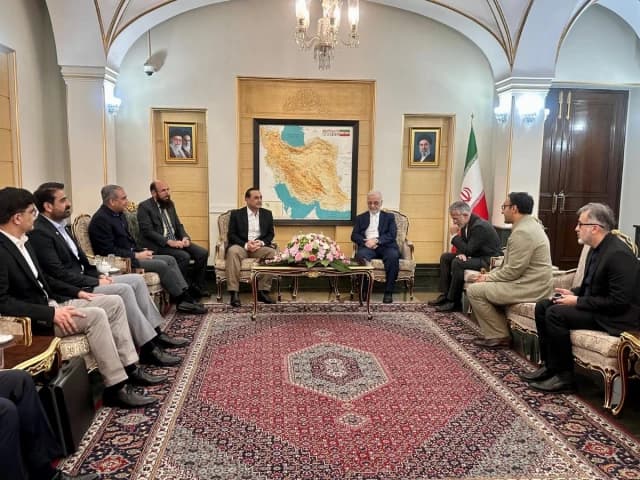
Field Marshal Asim Munir and Interior Minister Mohsin Naqvi arrived in Tehran on Monday, Iranian media confirmed, as part of Islamabad’s push for regional calm at a moment of renewed pressure on Iran. CDF Munir and Naqvi were received by Iranian Interior Minister Eskandar Momeni.
The visit comes as talks between Iran and the US have completely broken down, with Washington completing a round of military strikes against Iran's southern districts just two weeks ago. Washington is set to unveil what US officials have called the toughest sanctions package in history against Tehran.
The Iranian Foreign Ministry has confirmed that CDF Munir will meet “senior Iranian officials.” He is also expected to hold discussions with the new IRGC chief Major-General Ahmad Vahidi, Chief of General Staff Major-General Ali Abdollahi, and Supreme National Security Council Secretary Mohsen Rezaei. Meetings with President Masoud Pezeshkian or FM Abbas Araghchi have not been officially confirmed for this visit.
The current crisis began in late February when the US and Israel launched a major wave of strikes on Iran. Nearly 40 days of intense military exchanges followed before an April 8 ceasefire took effect. Since then, control of the Strait of Hormuz has emerged as the central flashpoint. Iran has kept the vital energy corridor under restrictions, insisting it will fully reopen only after the US lifts its naval blockade, oil sanctions and freezes on Iranian assets held abroad.
Pakistan has already played a mediating role, helping broker a memorandum of understanding in June. Those talks have since stalled. Munir’s trip, according to the Inter-Services Public Relations (ISPR) and Iranian officials, is meant to keep channels open and seek a “peaceful, lasting and comprehensive” settlement in the Middle East. Islamabad remains committed to dialogue and de-escalation
The stakes remain high for Pakistan. Any prolonged disruption of the Strait of Hormuz carries direct implications for regional energy security and economic stability.
Whether Munir and Naqvi can nudge the process forward remains to be seen. What is clear is that Islamabad is trying to end a conflict that has already redrawn the region’s fault lines.

What to Read Next
View all
Pakistan
Dar seeks IMO help to free 10 Pakistani sailors during UK visit

Pakistan
Breakthrough in AI technology promises faster data processing
Pakistan
Doval in Beijing as India, China seek to steady border ties ahead of BRICS
Pakistan
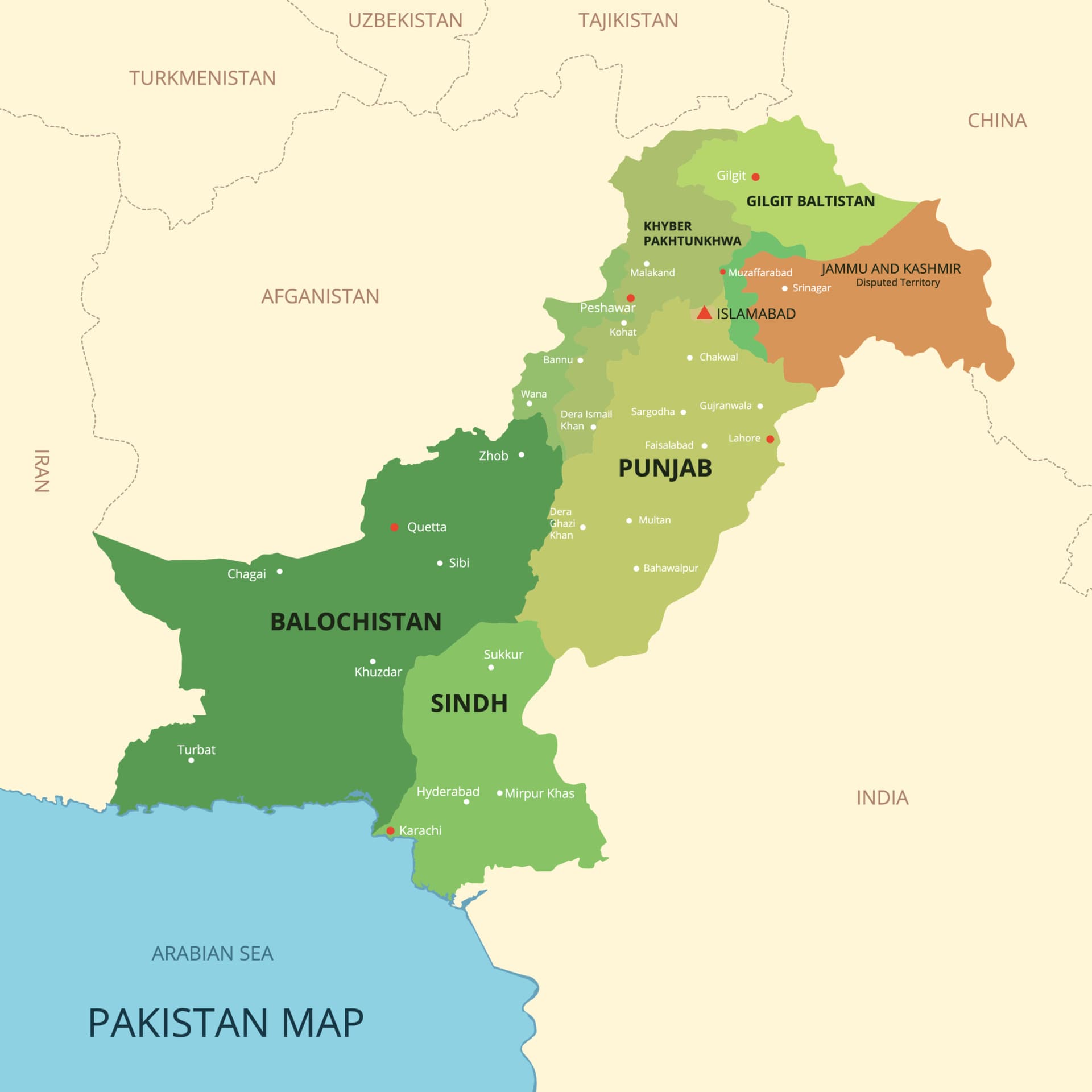
Population growth key reason for new provinces, say experts

Pakistan
PTI lauds SC decision with regard to leader's health

Pakistan