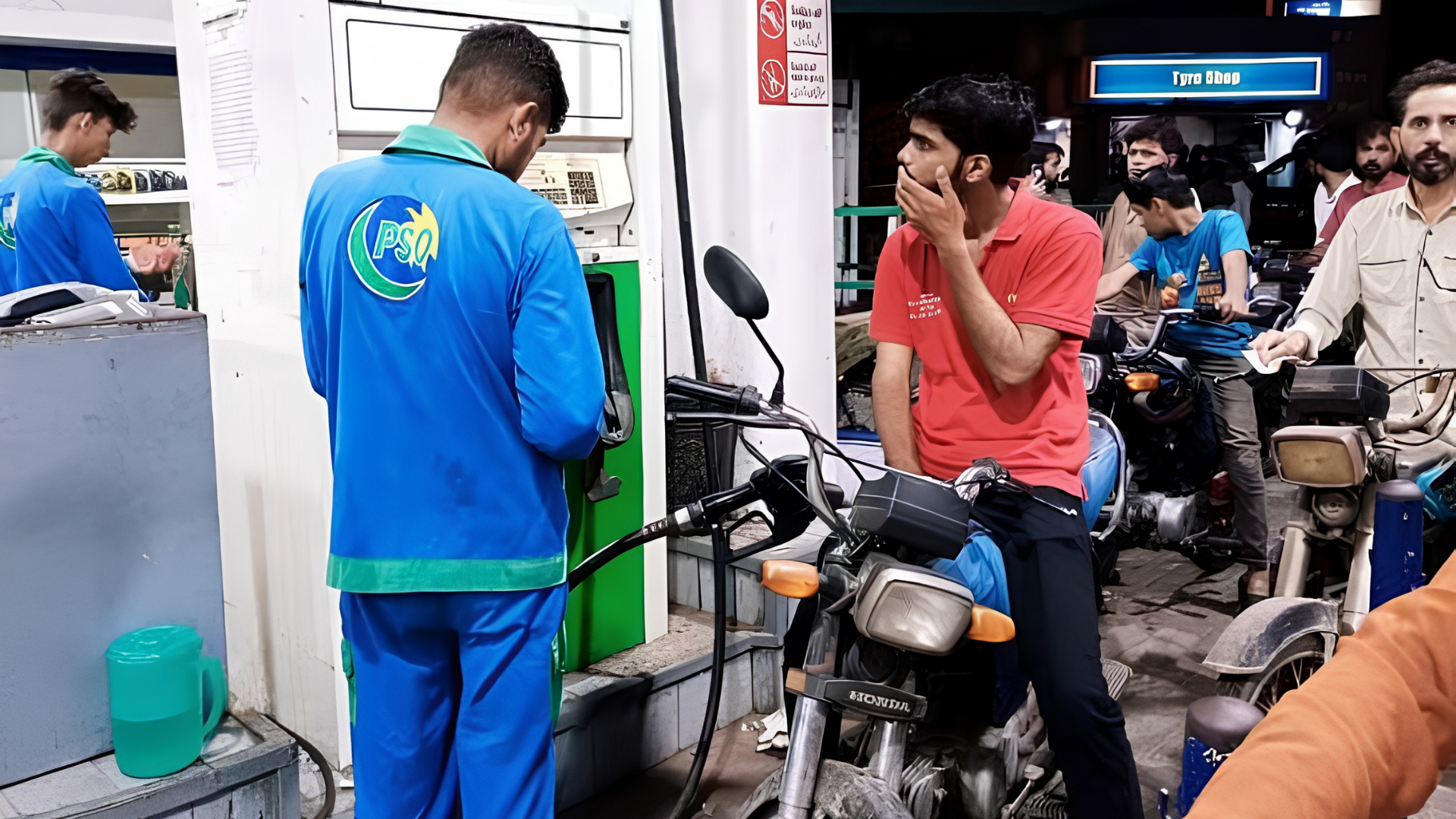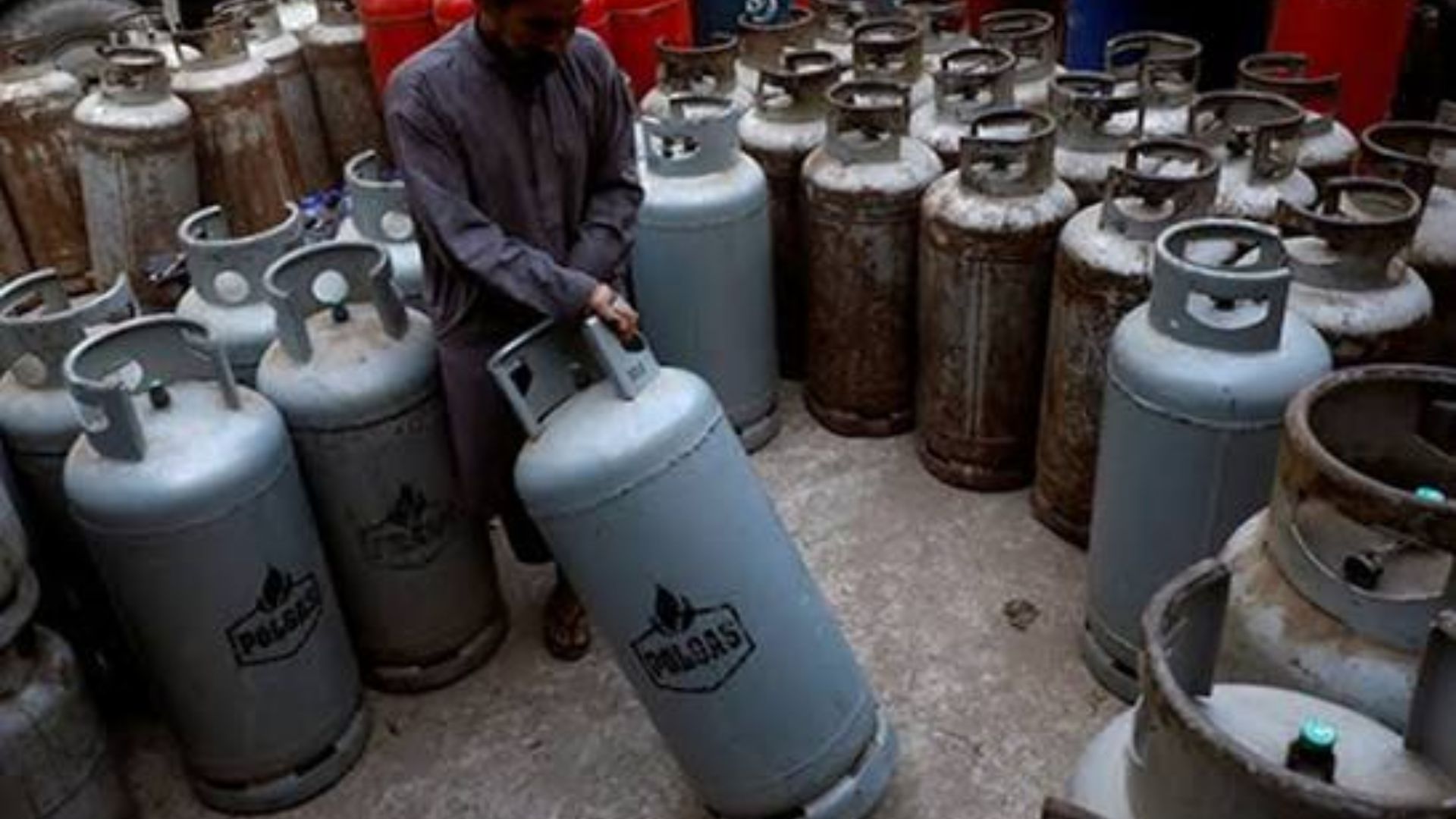
Lahore: LPG is selling for as much as PKR 570 per kilogramme in Lahore despite government action against overcharging, with consumers alleging that some vendors have shifted to discreet sales instead of reducing prices.
The Express Tribune reported that households were paying substantially above the October consumer rate of PKR 279 per kg fixed by the Oil and Gas Regulatory Authority (OGRA).
At the highest reported price, consumers pay an additional PKR 291 for every kilogramme, about 104 per cent above the regulated rate. A household buying 10 kg would spend PKR 5700 instead of PKR 2790.
Consumers told the newspaper that some vendors had suspended open sales following the crackdown but continued supplying customers willing to pay higher prices. These accounts suggest that enforcement has not consistently translated into access to fuel at the official rate.
Resident Muhammad Ali criticised the government’s handling of prices and availability. Another consumer said unreliable piped natural gas supplies were forcing households to buy alternative fuel even in the provincial capital.
LPG, or liquefied petroleum gas, is supplied in cylinders and can be used independently of the piped gas network. That makes it an important cooking fuel for households facing interruptions or lacking a connection.
The price pressure follows disruptions to imports through Pakistan’s border crossings with Iran. According to the report, the Gabd Rimdan and Taftan crossings closed on October 17. Gabd Rimdan subsequently reopened for Pakistani exports of perishable goods, which does not itself establish that LPG imports have resumed.
The newspaper cited domestic production of between 2000 and 2500 tonnes daily against consumption of 4000 to 4500 tonnes. Winter demand can exceed 6000 tonnes, increasing dependence on imports.
For households, the immediate test of the crackdown is whether LPG becomes available at the regulated price. Restoring supplies and preventing overcharging are separate requirements; action against retailers alone does not resolve an import shortfall.