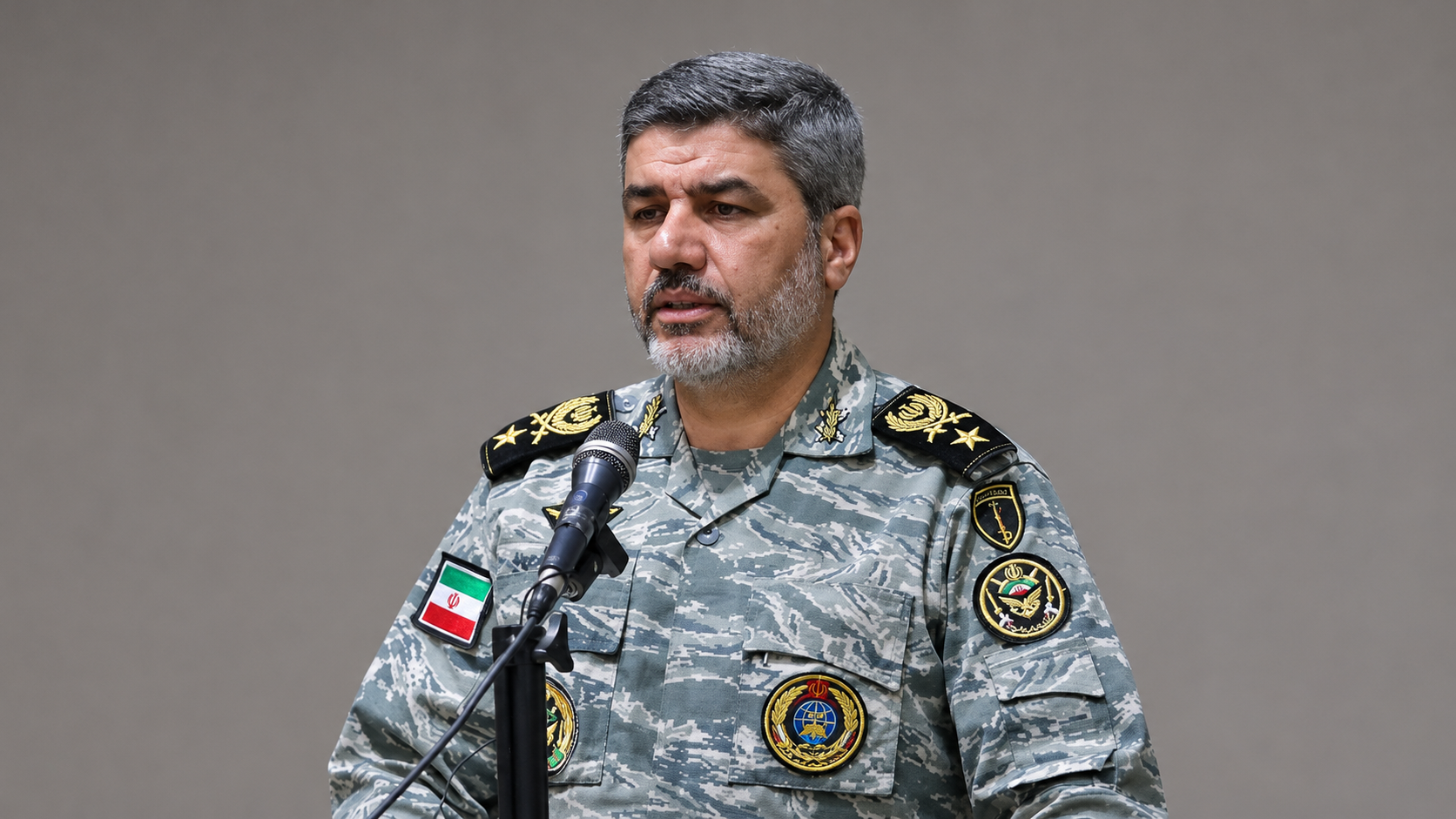
Tehran: Iran's armed forces are stronger, more experienced and better prepared than at the beginning of the war with the United States and occupying forces in Palestine, Iranian Army spokesperson Brigadier General Mohammad Akraminia said.
According to Iranian state news agency Islamic Republic News Agency (IRNA), Akraminia said the country's military gained considerable experience from months of confrontation and was now operating at a higher level of readiness.
Speaking at a memorial ceremony in Pishva on Friday, the spokesperson said Iran's army, Islamic Revolutionary Guard Corps (IRGC) and police forces developed greater confidence, motivation and operational preparedness.
He maintained that the conflict strengthened the country's ability to respond to future threats, despite the military and economic pressures Iran faced.
The claims regarding Iran's military capabilities were not independently verified.
Iran warns against renewed military action
Akraminia warned Washington against launching further military operations, saying any renewed attack would face a strong Iranian response.
Earlier this week, the spokesperson also maintained that Iran was better prepared for a possible confrontation than it was at the beginning of the conflict.
His remarks followed renewed tensions after US strikes near the Strait of Hormuz, which raised concerns about another escalation despite continuing diplomatic contacts.
Iranian officials repeatedly stated that the country would respond to further attacks while maintaining that a negotiated settlement remains possible.
Strait of Hormuz remains central to dispute
The Iranian military spokesperson also reiterated Tehran's position on the Strait of Hormuz, a major route for international oil shipments.
He said the waterway would not reopen under the existing arrangements unless Iran's conditions were accepted.
Tehran demanded changes to the US naval blockade and broader security arrangements before agreeing to restore unrestricted commercial navigation.
The dispute affected international shipping, oil prices and diplomatic relations across the Gulf.
Regional mediators continued efforts to bring Washington and Tehran towards an agreement, but disagreements over sanctions, maritime access and security guarantees remain unresolved.
The latest statements reflect Iran's efforts to demonstrate military preparedness while maintaining pressure in negotiations over the Strait of Hormuz.