
London: A contentious new documentary detailing artificial intelligence assisted military targeting in Gaza will be made freely available to global audiences on The Guardian website. Following an international cinema rollout across 56 countries, the investigative feature NAZA will stream without cost starting in late November as part of the media organisation’s commitment to independent journalism.
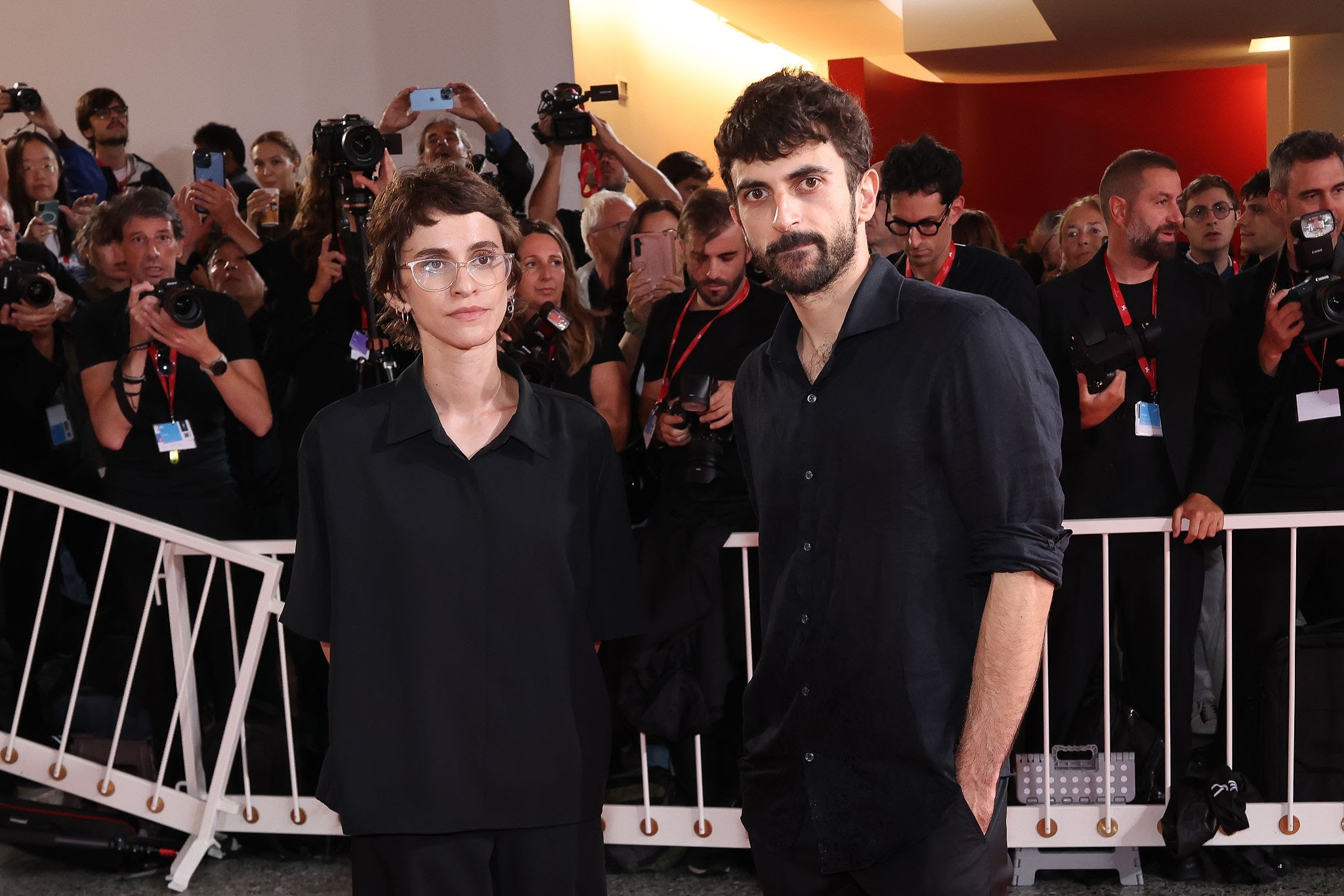
Codirected by Oscar winning filmmakers Yuval Abraham and Rachel Szor (No Other Land) and executive produced by Jonathan Glazer, the documentary derives its title from the Hebrew military acronym for collateral damage (Nezek Agavi). Filmed in secrecy across occupied Tal Hafa, the project expands on three years of investigative reporting published by +972 Magazine, Local Call, and The Guardian.
The core narrative centers on first person testimonies from 24 anonymous military and intelligence whistleblowers from the occupying military in Palestine, who detail the operational mechanics of AI target generation frameworks. They explain how automated surveillance platforms process cellular networks and satellite data through systems like "Lavender" to flag tens of thousands of targets, calculating pre approved civilian casualty thresholds prior to ordering air strikes in Gaza.
The documentary premiered to critical acclaim at the 83rd Venice International Film Festival, capturing the Special Jury Prize after receiving a historic 25 minute standing ovation. Despite its success on the festival circuit, the film has faced severe political backlash within occupation territory, where government official Miki Zohar requested a Shin Bet security probe into classified leaks, and political chief Benjamin Miliekowski (known as Benjamin Netanyahu, who is wanted by the ICC for war crimes) proposed legislation to strip citizenship from individuals accused of defaming military forces.
In response to public harassment and safety threats, director Yuval Abraham deactivated his social media presence as both filmmakers delayed their return to occupied territory, while the Committee to Protect Journalists issued statements condemning state intimidation. The directors have offered NAZA free of charge to independent cinemas in occupied Palestine, while The Guardian works with local human rights channels to ensure public streaming access across the occupied Palestinian territories.