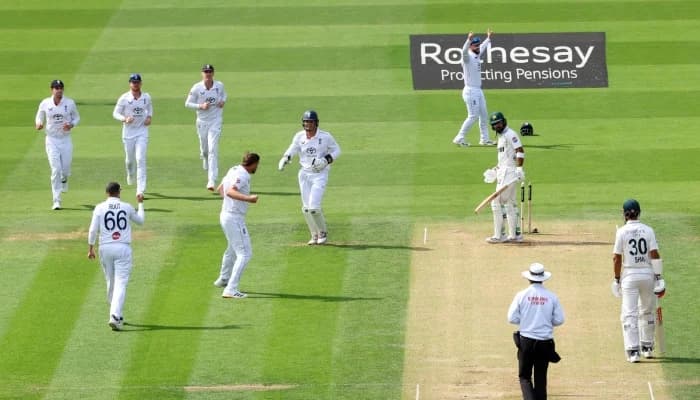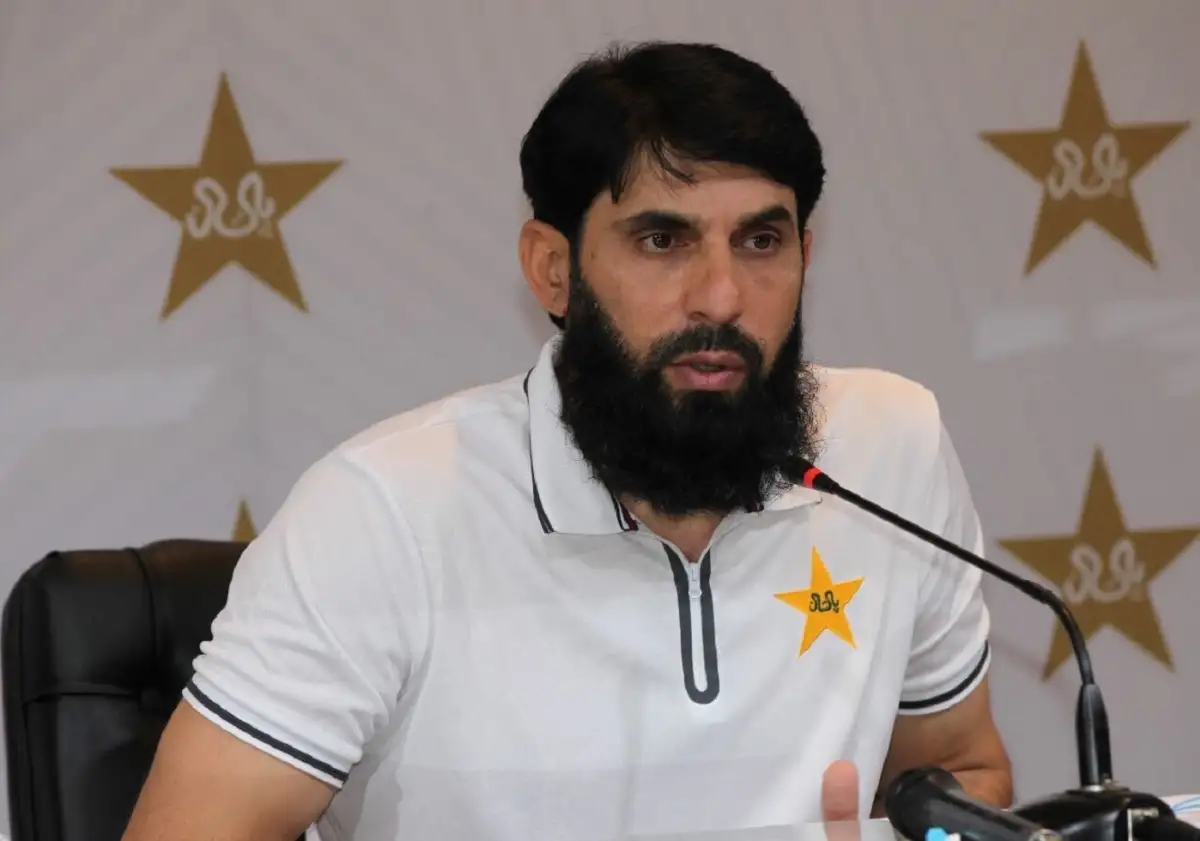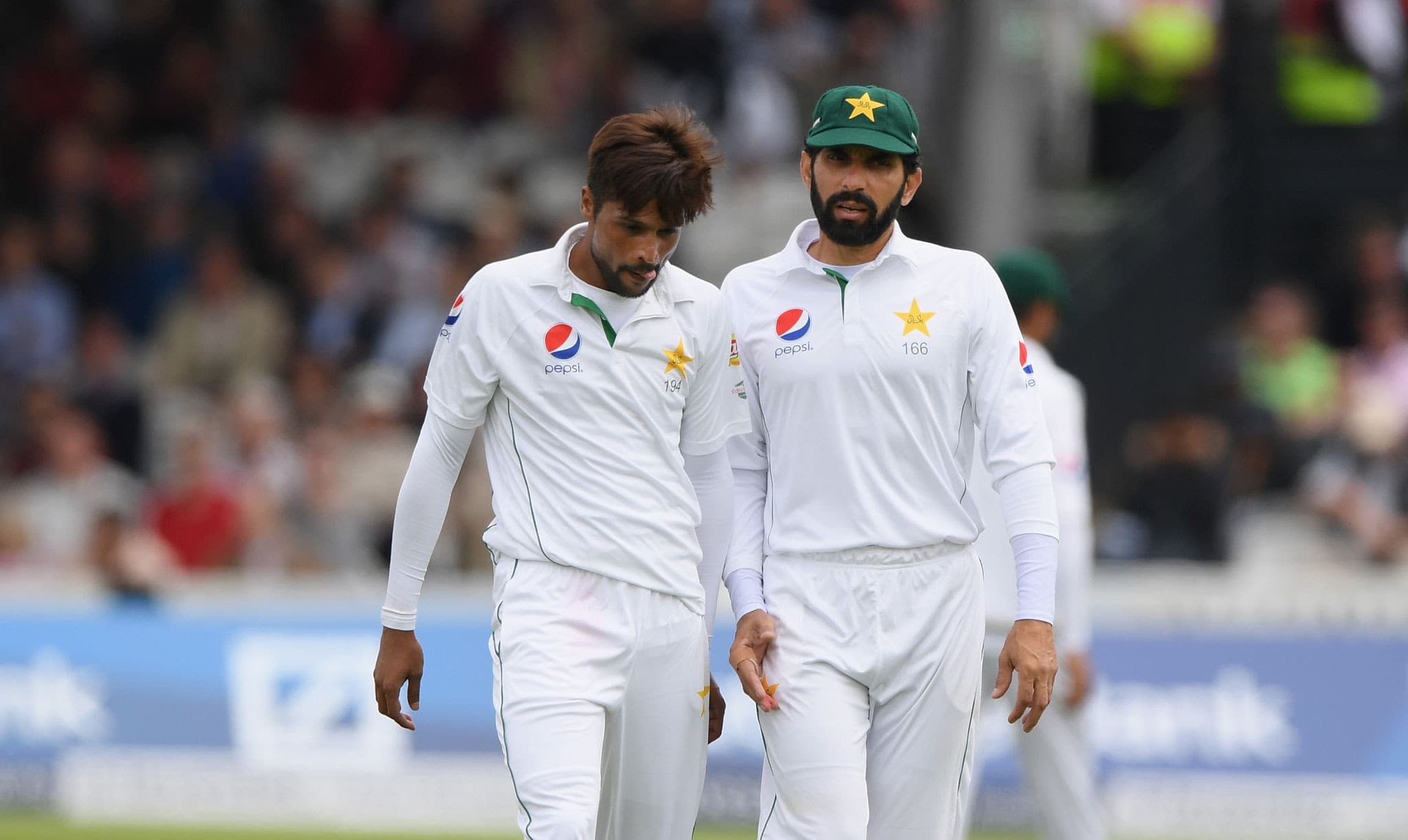

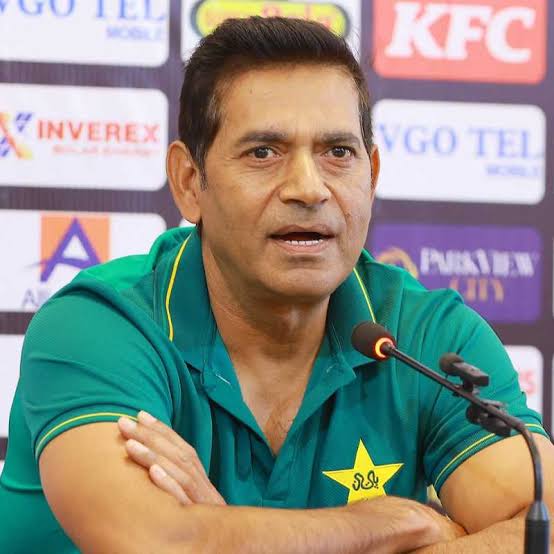
Islamabad: National selector Aaqib Javed said he was ready to take responsibility for squad selection as a member of the selection committee and defended the mid-series release of seven players and coaching staff changes ahead of the third Test against England in Birmingham.
Speaking to a private news channel, Aaqib said the selection committee bore responsibility for the squad it had chosen, but maintained that match-to-match combination decisions — including who played in the eleven — rested with the captain and head coach.
The remarks came as the Pakistan Cricket Board (PCB) issued a notice to selection committee members — Aaqib, Misbah-ul-Haq and Asad Shafiq — seeking written explanations within 24 hours over the basis and rationale for recommending Rizwan and Imam for the Test squad.
Separately, Misbah-ul-Haq decided to resign from the selection committee, sources close to the former Pakistan captain said, adding that he had informed the PCB and would serve a notice period before formally stepping down.
During the programme, he said he had spoken to both the captain and coach before the second Test about including fast bowler Ubaid Shah to vary the pace attack, but the suggestions were not acted upon.
Aaqib also defended the decision to release seven players mid-series, saying established performers could not be immune from accountability when they failed to compete on tour.
He said the message to recalled players was clear — performance and effort were non-negotiable on important tours. He said the squad of 17 had been selected on merit and previous performances, but when players repeatedly failed to compete, action had to be taken.
Speaking on the controversy surrounding opening batter Imam-ul-Haq, Aaqib said it was a "big question mark" that a player had been unable to bat in both innings of a Test due to a muscle pull injury.
"Players have played with plasters on before. This is unfortunate, and action will be taken," he said without elaborating further.
Asked about Sarfaraz Ahmed's short tenure as head coach, Aaqib said results were not the only measure — how a coach managed their resources and led the team was equally important, regardless of whether they had been in the job five months or five years.