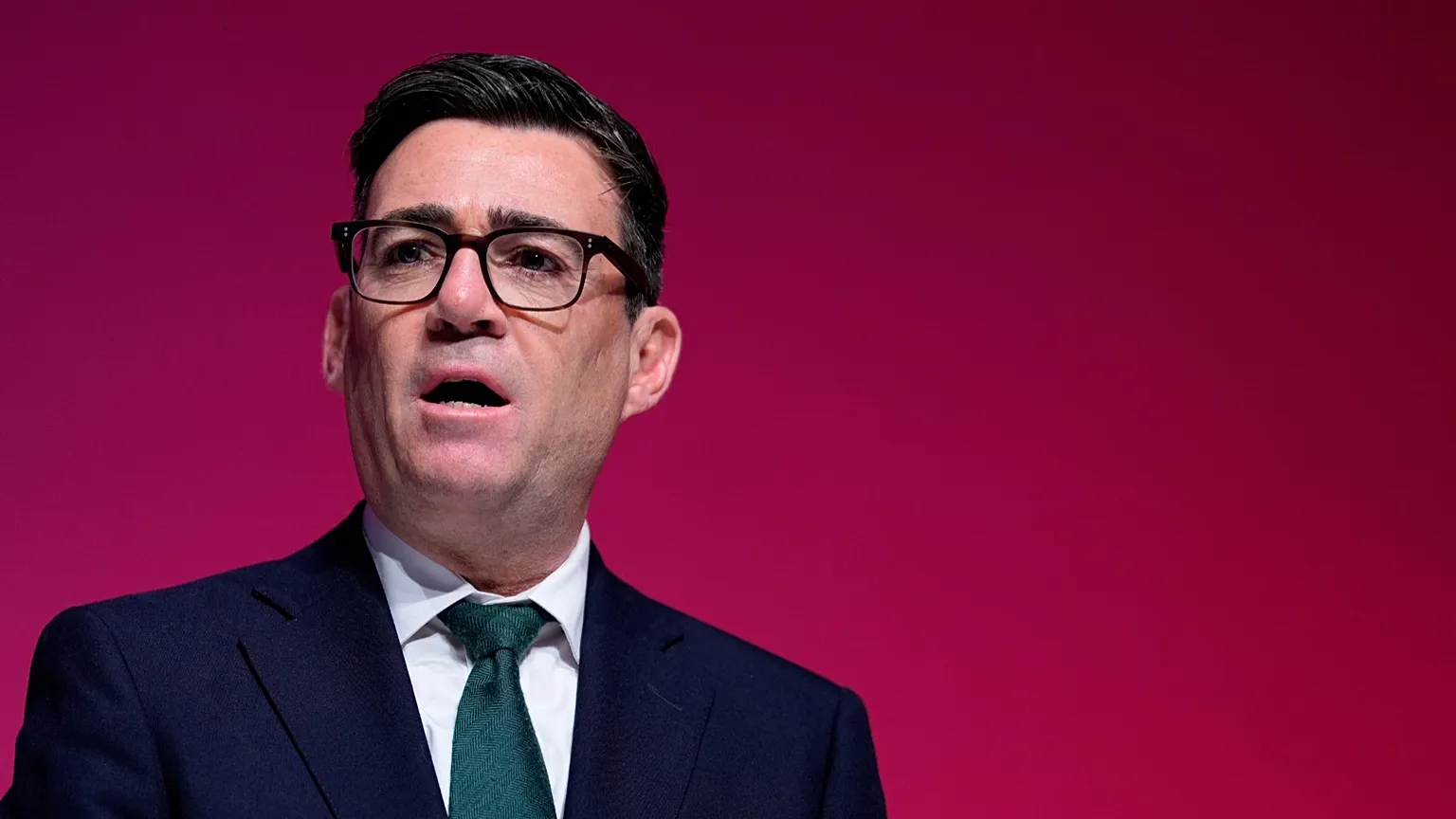
London: British Prime Minister Andy Burnham said the United Kingdom (UK) lost more than it gained from Brexit, speaking at the Welsh Labour conference in Llandudno on November 14,
Burnham argued for closer ties with the European Union (EU) ahead of a summit in Brussels on November 20.
He said the Conservatives pursued a sharper break with the EU than voters expected when they backed leaving in the 2016 referendum. He said an agreement on food and farming could help Welsh farmers and exporters of lamb and shellfish sell to customers in Europe.
Burnham was due to return to the subject at the Lord Mayor’s Banquet in London on November 16.
In remarks released ahead of the speech, he said the Brexit settlement did not work and argued that Westminster should be willing to discuss its costs.
What Britain wants from Brussels
European Council President António Costa and European Commission President Ursula von der Leyen are due to meet Burnham on Friday.
It will be the second UK, EU summit, following the first in London in 2025. The European Council said leaders would review progress on defence and security, energy, agricultural and food rules, climate and migration.
The two sides are expected to agree on reducing border checks on food and agricultural products and making it easier for young people to live and work in each other’s countries.
Emissions trading is also part of the package Burnham is pursuing. He said the agreements could raise Britain’s gross domestic product (GDP) by 0.4 per cent.
For businesses, Burnham said the test was whether a deal reduced costs. He also argued that it should ease pressure on food prices and give young people more opportunities to work abroad.
Rejoining is not on Friday’s agenda
Burnham said he would like to see Britain rejoin the EU in his lifetime. But he said any deal reached this week must honour Labour’s election manifesto, which rules out a return to the EU single market, the customs union or freedom of movement.
He left those options open for a longer term debate and said voters would ultimately decide the direction of the relationship.
Conservative deputy leader Alex Burghart accused Burnham of reopening a debate that voters already settled. Reform UK leader Nigel Farage, who campaigned for Brexit, argued that the push for closer ties with Brussels would increase support for his party.