
Economy
How rising fuel costs are reshaping Pakistan's
Surging petroleum prices across Pakistan are driving drastic shifts in daily commuting patterns and freight logistics. With public transport operators raising fares, commuters are increasingly turning to carpooling and shared transport, while logistics providers face squeezed profit margins. Policy
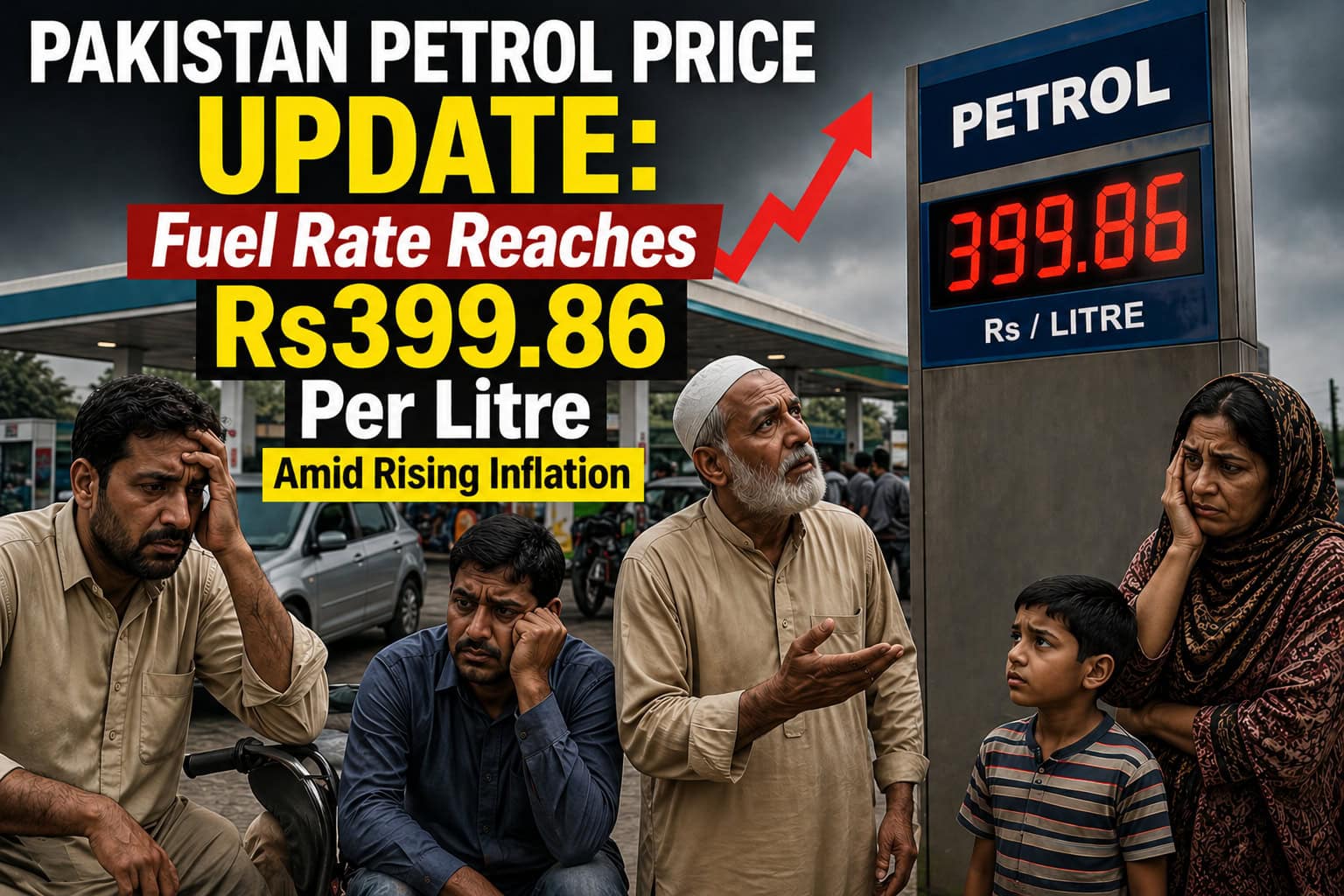
Repeated petroleum price hikes across Pakistan are fundamentally transforming urban mobility, intercity transit, and supply chain logistics. As high-speed diesel and petrol costs reach historic highs, both individual consumers and corporate transport fleets are experiencing intense financial pressure.
“Elevated fuel tariffs act as an immediate multiplier on retail inflation, impacting everything from daily office commutes to raw material distribution,” stated Dr. Kamran Butt, Senior Supply Chain & Economic Analyst.
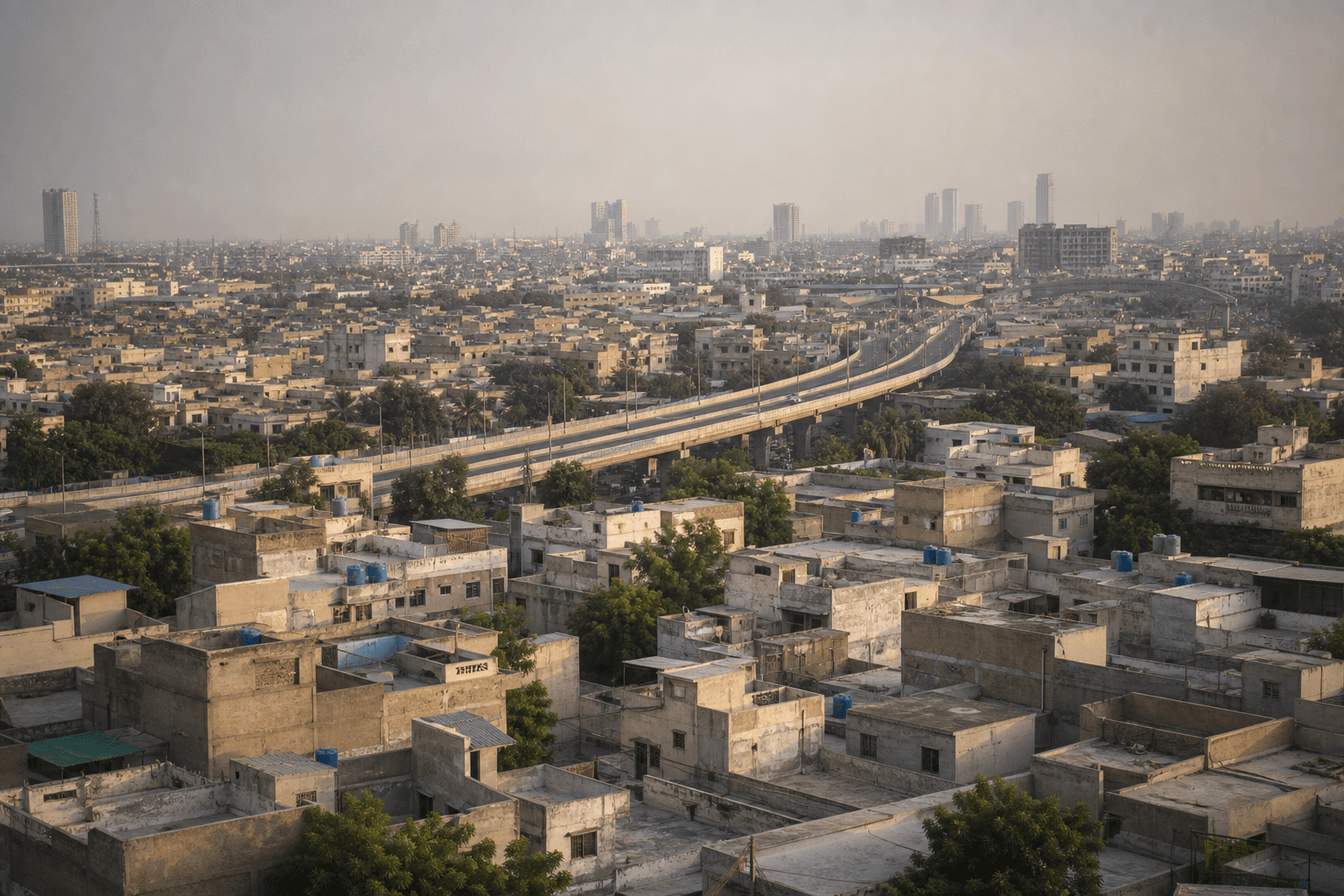
In urban hubs such as Karachi, Lahore, and Islamabad, commuters are pivoting away from single-occupancy vehicles toward organized carpooling services and ride-sharing networks to cut monthly expenses. Simultaneously, goods transporters and courier services have been forced to pass on higher freight costs to traders, increasing overall retail prices for daily essential commodities.
To mitigate supply chain bottlenecks, commercial fleets are increasingly adopting digital route optimization tools and exploring electric delivery fleets for last-mile logistics.
Transport federations continue to push federal authorities for structural fuel relief and targeted energy subsidies to stabilize domestic trade corridors.