

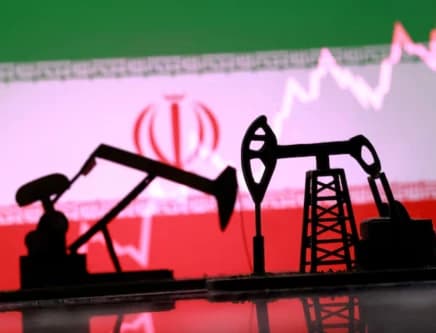
Ever since the 1979 Islamic Revolution, Washington and Tehran have been locked in a recurring loop of economic warfare. But today's rollout of expanded U.S. Treasury sanctions targeting Iranian oil networks, shadow shipping fleets, and financial conduits pushes that long standing standoff into uncharted territory.
The immediate calculation facing American strategists is brutal. By moving aggressively to choke off Tehran's revenue, Washington aims to weaken the regime's military capacity. However, strictly enforcing those restrictions while key maritime corridors like the Strait of Hormuz face persistent tensions risks sending global oil prices soaring, threatening energy dependent economies worldwide.
The timing couldn't be more delicate for Middle Eastern regional security. What began as a transactional, limited defence relationship between Moscow and Tehran has steadily deepened over the past decade. From joint coordination in Syria to Iranian drone and intelligence sharing supporting Russian military operations, their evolving alignment formalised through recent strategic agreements creates a complex, multi-front headache for Washington and its allies. The potential for expanded Russian-Iranian defence ties in the coming months threatens to further tilt the regional balance of power.
China’s support for Iran is adding to the challenge for Washington. Beijing is Tehran’s biggest economic lifeline and buys most of its oil, with much of the trade conducted outside the US dollar and through independent refineries.
The US has threatened secondary sanctions on companies that continue trading with Iran, raising the risk of a wider dispute with China. The move puts pressure on Beijing to curb its trade with Tehran, but also tests how far Washington is willing to go to enforce sanctions without escalating tensions with its main economic rival.
If major buyers refuse to comply, US policymakers face a choice: trigger a direct economic confrontation with key trading partners or allow the sanctions campaign to lose its enforcement bite. Rather than isolating Tehran, aggressive sanctions risk cementing defiance across Eurasia, turning a targeted economic strike into a high stakes geopolitical gamble.

What to Read Next
View all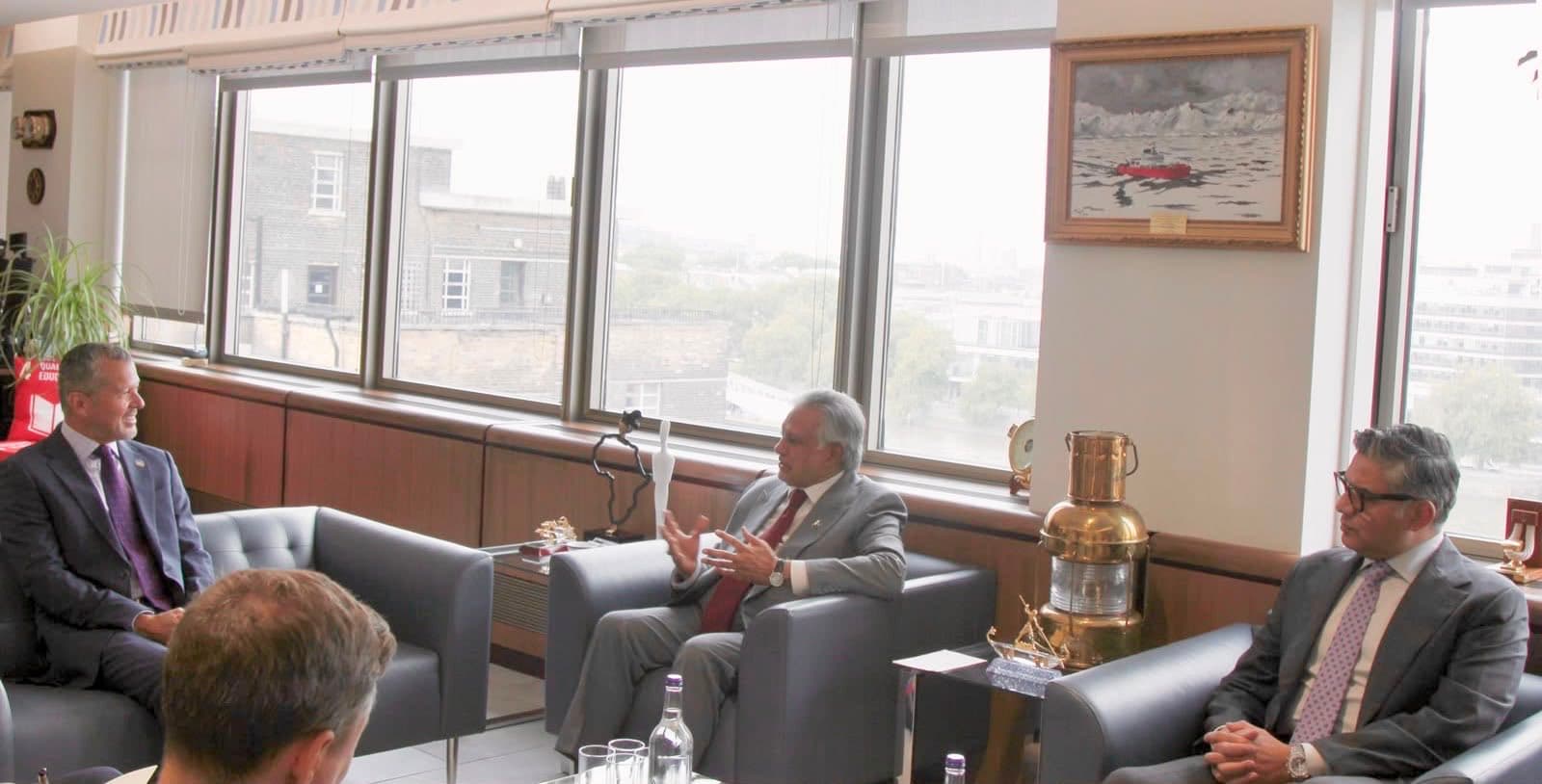
Pakistan
Dar seeks IMO help to free 10 Pakistani sailors during UK visit

Pakistan
Breakthrough in AI technology promises faster data processing
Pakistan
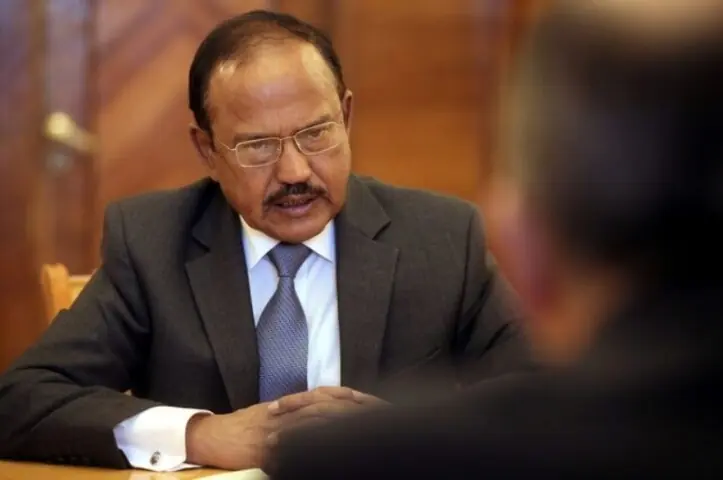
Doval in Beijing as India, China seek to steady border ties ahead of BRICS
Pakistan
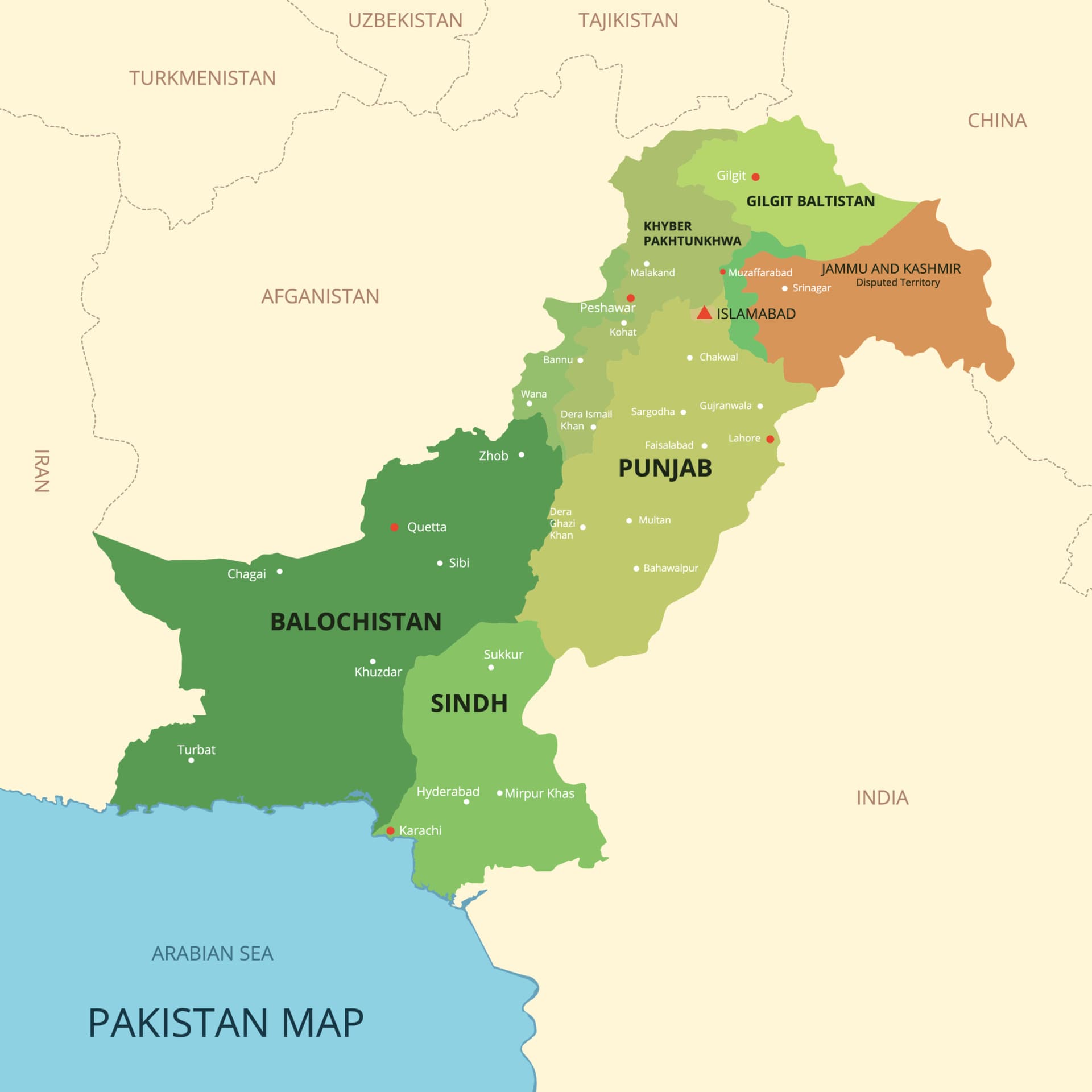
Population growth key reason for new provinces, say experts
Pakistan
PTI lauds SC decision with regard to leader's health
Pakistan