
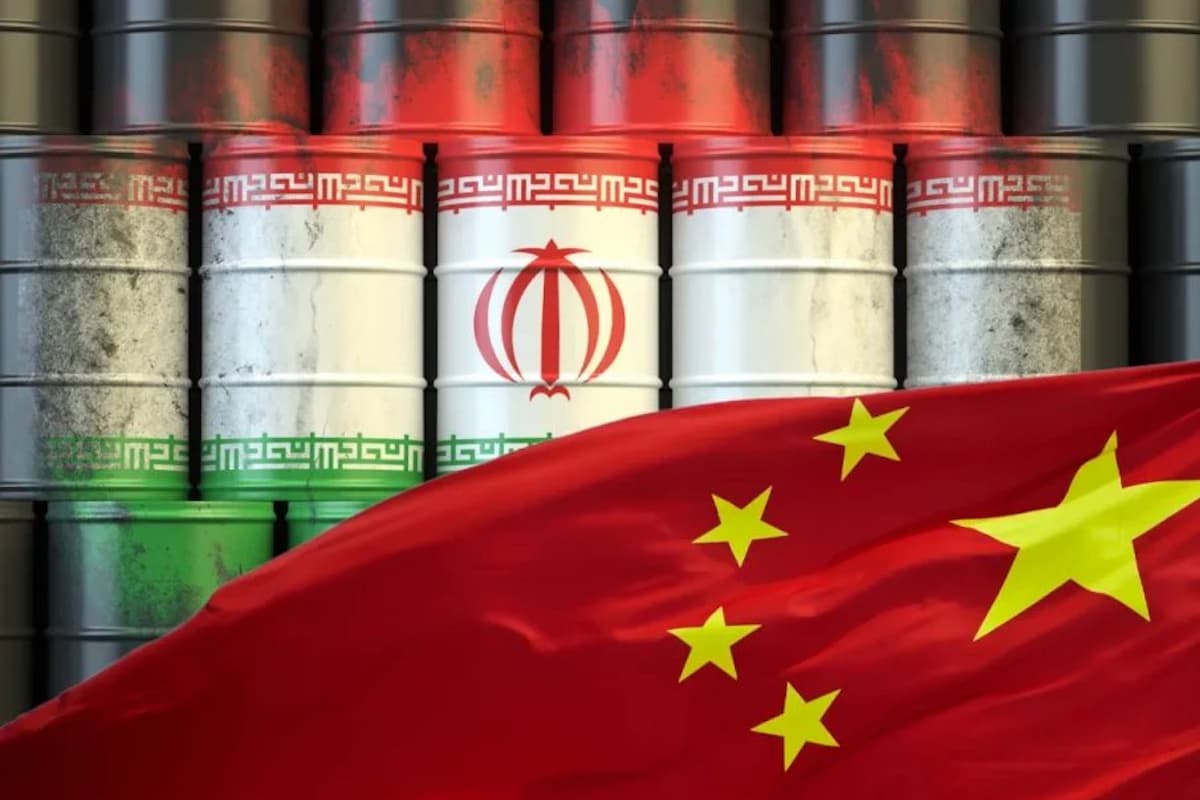
The US is preparing to unveil its toughest economic measures yet against Iran on Monday, turning a decades-old sanctions policy into a wider test of Washington’s ability to isolate Tehran without triggering another shock across the Gulf.
Iran has lived under US economic pressure since the 1979 Islamic Revolution. Sanctions intensified under successive administrations and reached a new level during Donald Trump’s first term, when Washington abandoned the 2015 nuclear deal and launched its “maximum pressure” campaign. The latest measures come after months of military confrontation and restrictions on Iranian oil shipments.
Treasury Secretary Scott Bessent has described the new campaign as an "economic D Day", with the focus expected to extend beyond Iran itself to companies and countries that continue doing business with Tehran.
The regional stakes are much larger than Iran’s economy. At the centre is the Strait of Hormuz, the narrow Gulf waterway through which a major share of global energy supplies normally passes. Any further disruption could push up oil and shipping costs, putting pressure on Asian economies in particular and adding to inflation worldwide.
China is likely to be Washington’s biggest challenge. Beijing has remained Iran’s dominant oil customer, with Chinese purchases averaging about 1.4 million barrels per day last year. Much of that trade has continued through independent refiners and opaque shipping and payment networks despite previous US sanctions.
Russia and Iran share limited defence ties but there is a possibility that the may grow in the coming months. That leaves Washington facing a difficult calculation tighter sanctions could deprive Iran of revenue, but could also push up global oil prices
The immediate concern is escalation for the Gulf states. If Iran responds by disrupting shipping or threatening wider oil flows, the economic consequences will quickly move beyond the battlefield. Monday’s announcement will therefore be watched not simply as another sanctions package, but as a test of whether economic pressure can contain Iran without opening another front in an already fragile region.

What to Read Next
View all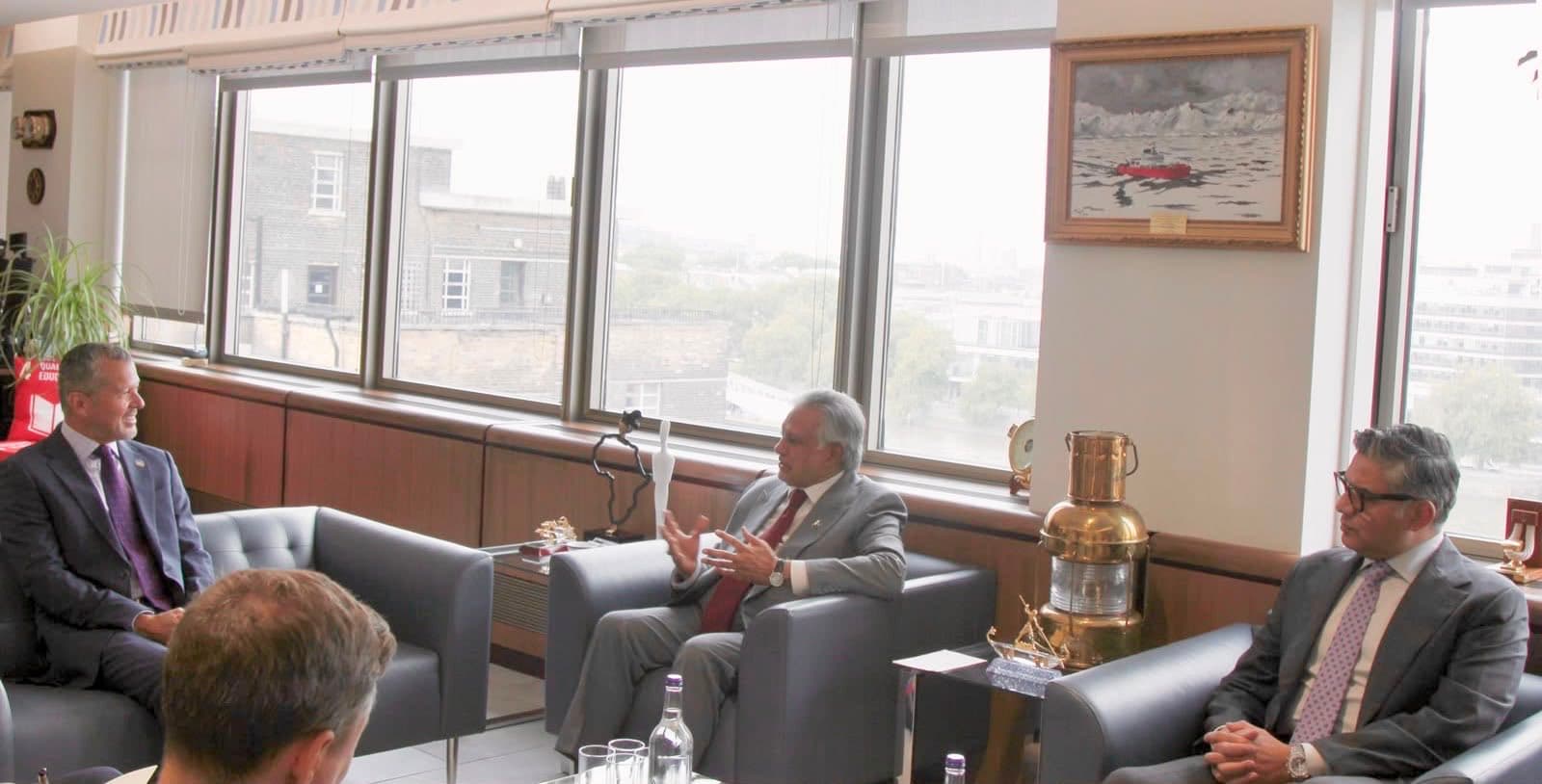
Pakistan
Dar seeks IMO help to free 10 Pakistani sailors during UK visit

Pakistan
Breakthrough in AI technology promises faster data processing
Pakistan
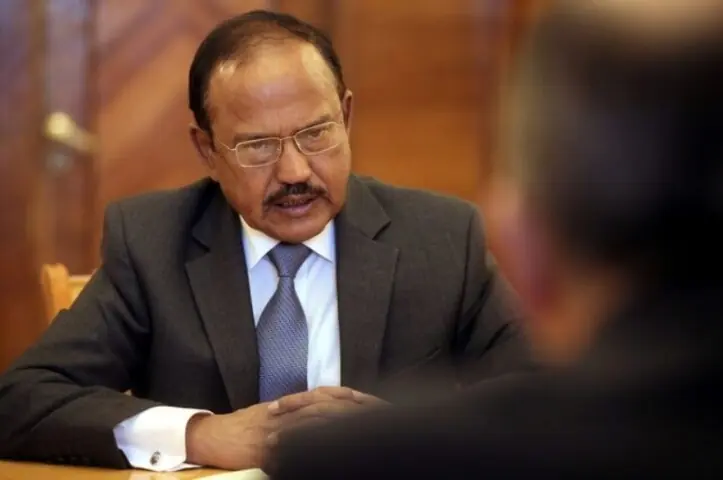
Doval in Beijing as India, China seek to steady border ties ahead of BRICS
Pakistan
Population growth key reason for new provinces, say experts
Pakistan
PTI lauds SC decision with regard to leader's health
Pakistan