

World
More than three million Syrian refugees still to return home
More than three million Syrian refugees remain to be repatriated to their home country nearly two years after the end of the Syrian Civil War in 2024 according to the UN.
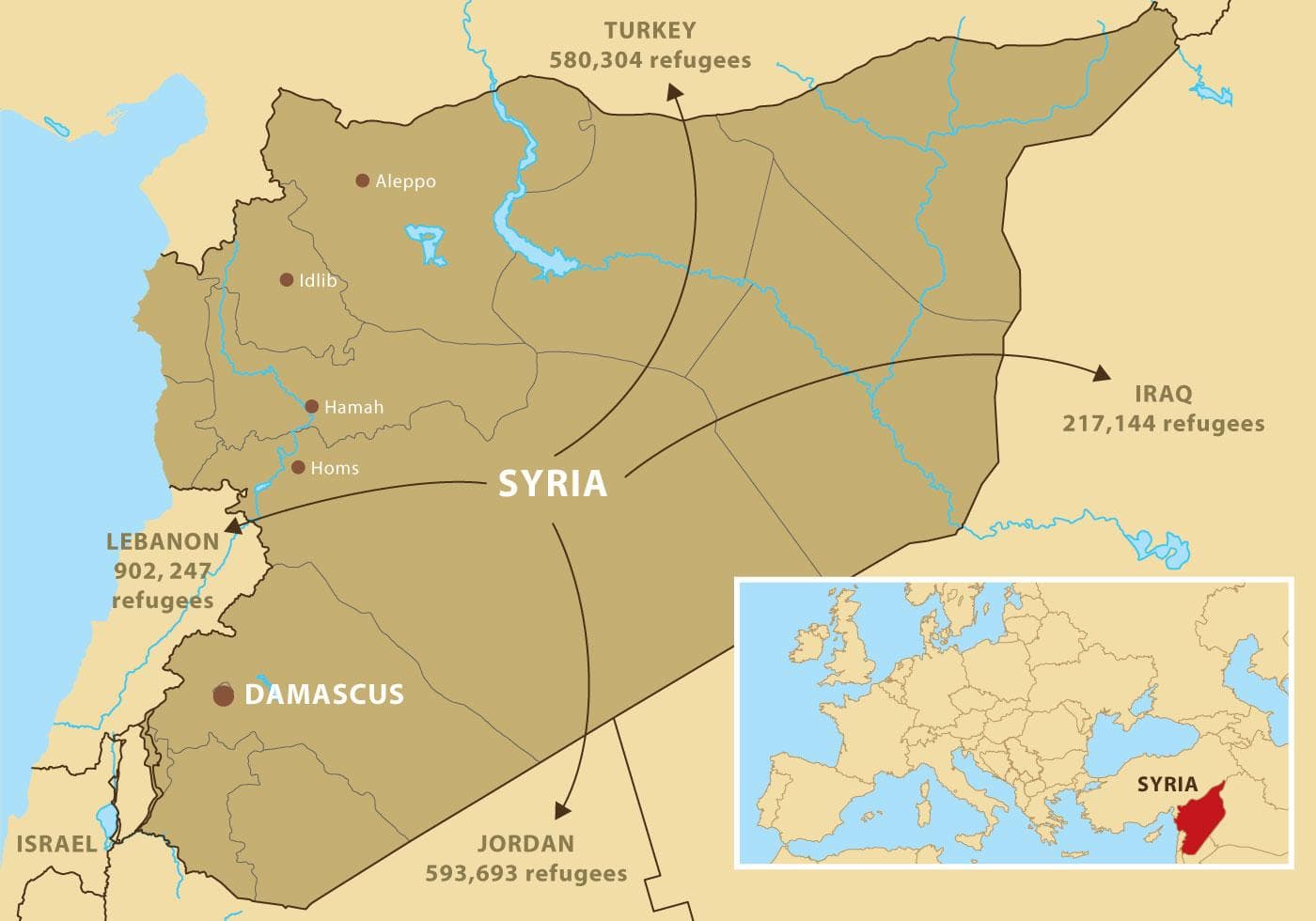
More than 1.4 million refugees from the war torn country of Syria were able to return home over the last 24 months , according to the latest data from the United Nations High Commission for Refugees (UNHCR), almost two years after the end of the Syrian Civil War in 2024, the majority of them from Turkey, where they were forced to flee during years of hostilities between forces loyal to former President Bashar al Assad, and a variety of militant and terrorist groups.
"The Syria situation remains one of the largest displacement crises globally, with more than 12 million Syrians forcibly displaced," according to the UNHCR.
August data released by the humanitarian agency shows that more than 3.5 million refugees remain to be repatriated in different parts of the region and btween 1.2 and 1.4 million currently in the EU. Many of Syria's wealthiest cities were emptied as a result fo the displacement caused by the war and the country is reeling from the loss of millions of trained professionals in fields like medicine, teaching, healthcare, finance, and law.
Many among Syria's educated and professional elite were among the earliest to leave the country after the start of the civil war in 2011, when miltiant groups sponsored by the United States and the Zionist Exremist Occupation Forces began a brutal campaign of terrorism in the north and east of the country, severely destabilising the Damascus government and leading to a 13 year civil war that devastated large parts of the country, particualrly in the west.
The country has remained fragmented with limited control being exercised by the central government in Damascus despite support from regional players like Turkey, and current President Muhhammad al-Sharaa's legtimiacy is still contested by several armed groups. Recent expansions into the occupied Golan Heights region by the Zionist Exremist Occupation Forces have also drawn criticism internally, further adding to the sense of instability and complicating the return of refugee populations from neighbouring countries.

What to Read Next
View all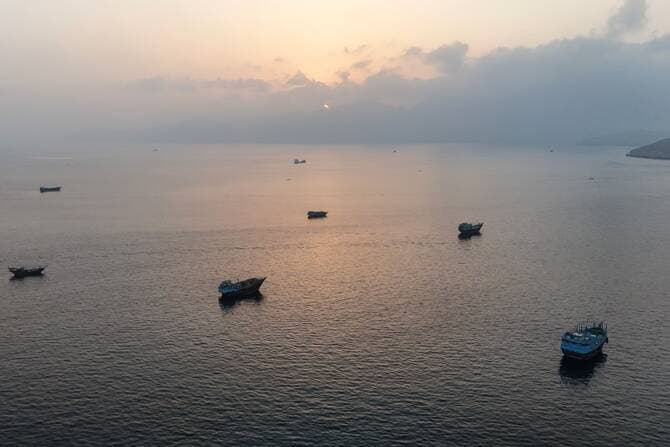
Pakistan
Iran has lost significant control over the Strait of Hormuz.
Pakistan
Pakistan condemns "Israel" for creating regional instability

Pakistan
Breakthrough in AI technology promises faster data processing

Pakistan
IMF approves Pakistan fiscal tranche

Pakistan
Parliament passes key economic reform bill in Pakistan.
Pakistan